

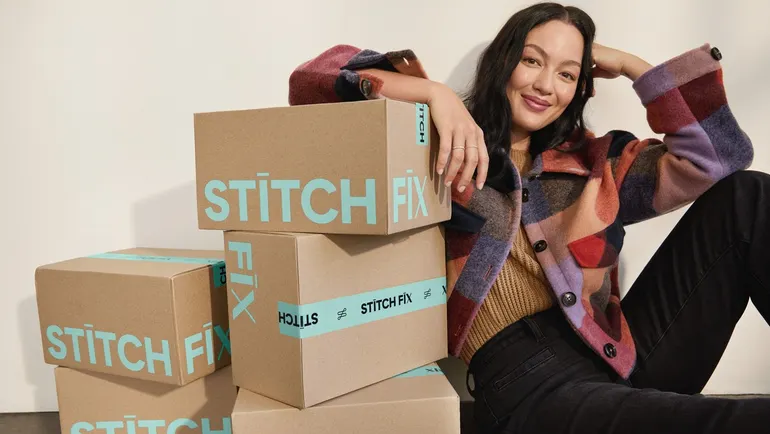
Stitch Fix, the personalized apparel subscription pioneer, is facing a pivotal moment in its corporate evolution. After years of attempting to refine its business model through leadership shifts, technological integration, and operational efficiency, the company has hit a sobering milestone: it no longer expects its active client base to grow in fiscal 2027. This admission, shared by executives during a recent analyst call, marks a significant departure from previous growth projections and underscores the growing friction between personalized retail services and a tightening consumer economy.
The Current Landscape: A Reset in Expectations
The news from Stitch Fix has sent ripples through the retail sector. While CEO Matt Baer has spent the last three years steering the company toward operational stability and profitability, the reality of the current consumer environment has proven difficult to overcome. The primary challenge remains the elusive nature of customer acquisition. Costs to acquire new users spiked toward the end of the fiscal year, a trend that, when coupled with a shrinking pool of active subscribers, has necessitated a more conservative outlook.
For investors and market analysts, the message was clear: Stitch Fix is trading hyper-growth for long-term sustainability, but even that sustainability is currently predicated on a shrinking core. The company’s inability to reliably scale its active user base has become the central tension in its corporate narrative.
Chronology of a Turnaround: From IPO to Stagnation
To understand the weight of these recent revelations, one must examine the trajectory of Stitch Fix over the past decade.
The Rise of the "Fix"
Founded in 2011, Stitch Fix revolutionized the apparel industry by marrying data science with the human touch of professional stylists. The model—shipping curated boxes of clothing based on algorithmic recommendations and user feedback—was hailed as the future of retail. It promised to solve the "choice overload" of traditional e-commerce.
The Leadership Transition
By the time Matt Baer, a former executive at Macy’s, took the helm as CEO, the company was in desperate need of a transformation. The post-pandemic retail environment had shifted, and the "box" model was facing scrutiny regarding its scalability. Baer’s tenure has been defined by a focus on "getting back to basics," improving the user interface, and leaning into the company’s rich data trove to drive efficiencies.
The 2024 Inflection Point
In recent quarters, analysts have noted that while the business is "healthier" than it was under previous management, the growth metrics remain stagnant. The shift from an aggressive growth-at-all-costs strategy to a focus on margin and operational health has resulted in a leaner organization, but it has not yet sparked the renewed interest from the broader consumer base required to reverse the decline in active clients.
Supporting Data: The Metrics of the Struggle
The data provided by the company and supplemented by third-party research paints a complex picture of a company caught between its technological potential and its operational reality.
The Decline in Active Clients
The most damning metric remains the persistent decline in the active client count. In the fourth quarter, this number failed to show the rebound that leadership had hoped for. According to analysts at UBS, led by Jay Sole, the lack of growth in this metric is a primary concern for the company’s long-term viability. Without a steady stream of new customers, the reliance on high-value repeat customers becomes an increasingly fragile strategy.
The Cost of Acquisition (CAC)
Rising customer acquisition costs have become a common theme across the e-commerce sector, but for Stitch Fix, the impact is magnified. As the market for online apparel becomes saturated, the cost to convert a lead into a subscriber has grown, eating into the margins that Baer and his team have worked so hard to protect.
Market Share and Competitive Positioning
Despite the headwinds, Stitch Fix points to data from Circana to suggest that it is holding its own, if not gaining ground, in certain segments of the market. The company’s ability to leverage data to maintain relevance in a fragmented market remains its strongest asset. However, as noted by William Blair analysts, holding market share is not the same as achieving the growth necessary to satisfy investor expectations for a high-growth tech-enabled retailer.
Official Responses and Strategic Vision
During the recent earnings call, CEO Matt Baer remained steadfast in his defense of the company’s long-term strategy, even as he acknowledged the near-term realities of a "challenging consumer environment."
The "Intentional" Consumer
"While these conditions affect our near-term outlook, they do not change our strategy or the opportunity ahead," Baer stated. He argued that in an era where consumers are increasingly cautious with their spending, the value proposition of a personalized, curated service is actually stronger. "When clients are more intentional about what they buy, the value of a personalized service that makes each purchase more relevant becomes even clearer."
The Role of AI and the Human Touch
Perhaps the most significant takeaway from the executive briefing was the company’s dual focus on Artificial Intelligence and human stylists. As the retail sector races to automate customer service, Stitch Fix is positioning its human element as a "scarce resource."
Baer explained that while AI is essential for processing the company’s vast data, the human stylists are the true differentiator. "As more and more interactions for all consumers generally are taking place by AI, human connection becomes the scarce resource," Baer noted. "We are the only retailer out there that has continued to invest in this human connection in a meaningful way."
Furthermore, the company has found an unexpected niche: serving customers whose body types and budget priorities are changing. Whether it is a result of the rising use of weight-loss medications or the general economic squeeze, Stitch Fix has found that their stylists are acting as "closet consultants," helping clients navigate wardrobe transitions with greater empathy and precision than a standard e-commerce interface could provide.
Implications for the Future: Is the Model Still Viable?
The implications of Stitch Fix’s updated guidance are profound, both for the company and for the broader direct-to-consumer (DTC) model.
A Test of Persistence
For the company, the next few years will be a test of whether a personalized subscription model can survive in a world where consumers are increasingly wary of subscription fatigue. The pivot toward "intentional shopping" is a sophisticated brand positioning, but it remains to be seen if it can generate the volume required for public company growth.
The Efficiency Trap
William Blair analysts, led by Dylan Carden, characterized the company as being "altogether healthier" under Baer’s leadership. However, they also noted that the 2027 outlook reflects a "clear setback in confidence." This highlights the "efficiency trap": when a company spends years cutting costs and streamlining operations, it may achieve a stable bottom line, but it risks losing the cultural momentum and marketing fire-power necessary to attract new customers.
The Competitive Moat
Stitch Fix’s primary competitive moat is its data. The "rich data trove" that executives referenced is a formidable asset that very few retailers possess. By knowing exactly what a customer has tried, what they returned, and why, Stitch Fix possesses a level of consumer insight that is the envy of traditional retail. However, data alone is not a product. The company must now bridge the gap between having great data and turning that data into a compelling reason for new users to sign up.
Conclusion: The Path Ahead
Stitch Fix stands at a crossroads. The era of unchecked growth for personalized subscription boxes has clearly ended, replaced by a more sober, disciplined era of retail. While the company has successfully navigated the worst of its internal turmoil, the external environment remains unforgiving.
If Stitch Fix is to succeed, it must prove that its unique blend of AI-driven recommendations and human styling is not just a niche convenience, but a fundamental improvement to the retail experience that consumers are willing to pay for—even in a downturn. The company’s decision to prioritize sustainable, albeit slower, growth is a pragmatic one, but it leaves the company with little room for error.
As it moves toward 2027, the market will be watching closely to see if the "human connection" and "data-rich" strategy can translate into the one thing that has remained elusive: a growing, loyal, and enthusiastic customer base. For now, the company remains a case study in the complexities of modern retail, where the right technology and the right vision must still contend with the unpredictable nature of the consumer mind.



