

London, UK – For centuries, humanity has been captivated by the radiant allure of gemstones. While factors like rarity, clarity, and cut play significant roles in their valuation, it is often colour that ignites the deepest fascination and commands the highest prices. From the fiery heart of a ruby to the ethereal blue of a Kashmir sapphire, the subtle nuances of gemstone colour are not merely aesthetic; they are a complex interplay of light, atomic structure, and the very chemistry of the Earth. Gemmology Tutor Pat Daly from the Gemmological Association of Great Britain (Gem-A) delves into this intricate world, exploring the scientific origins of colour and the rare hues that continue to define desirability in the gem market.
The Genesis of Brilliance: What Creates Colour in Gemstones?
Our perception of colour is a sophisticated process, beginning with white light, a composite of all the colours of the visible spectrum. When this light interacts with a gemstone, specific wavelengths are selectively absorbed by the electrons within the mineral’s atomic structure. The remaining light, reflected or transmitted, is what our eyes perceive as the gemstone’s colour. This phenomenon, known as selective absorption, is the primary mechanism behind the vibrant body colours seen in gems like the deep red of ruby and the verdant green of emerald.
However, colour in gemstones is not solely a result of atomic absorption. In some instances, optical phenomena play a crucial role. The shimmering iridescence of labradorite, for instance, arises from thin layers of one material within another, which diffract light. Similarly, the breathtaking play-of-colour in opals is attributed to nanometre-scale regular structures that scatter light, creating a dazzling rainbow effect.
The perception of colour is also inherently subjective. Our individual eyesight and cultural backgrounds can influence how we interpret and appreciate different hues. Yet, despite these variations, a general consensus exists within the gem world regarding the most desirable and prized colours. These coveted shades are often linked to specific mineral species and the unique geological conditions under which they formed.
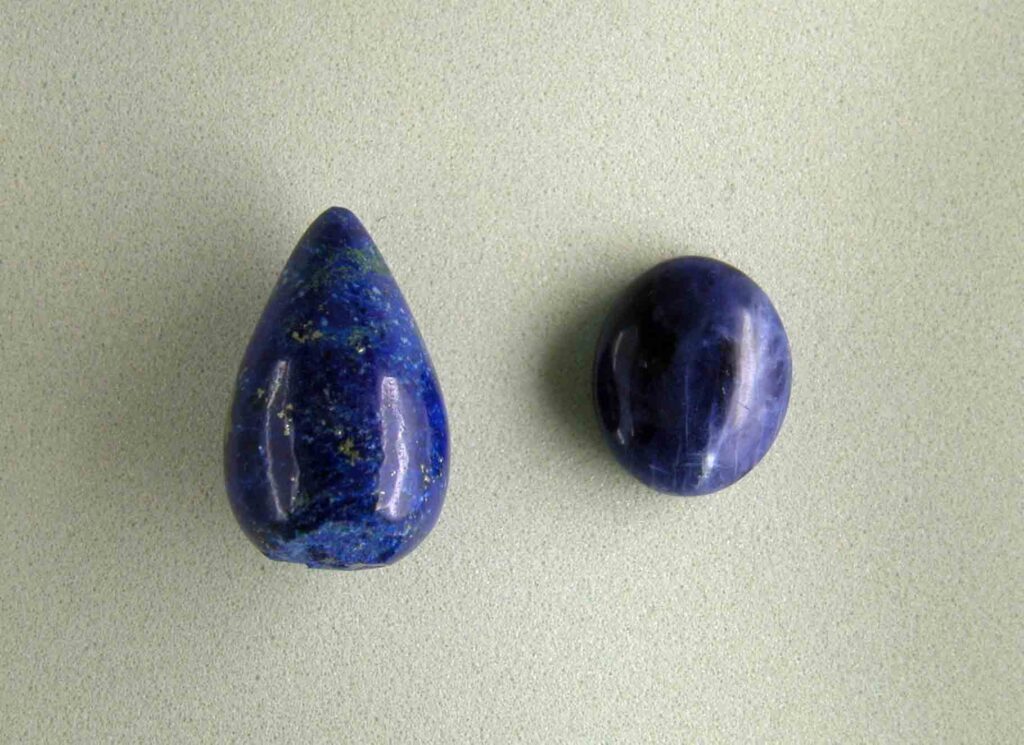
For gemstones like fine turquoise and lapis lazuli, colour is their paramount attribute. These striking blue stones rely solely on their rich, opaque hue for their beauty. In contrast, many other gems benefit from transparency or translucency, which allows light to penetrate deeper, enhancing brilliance and depth.
Certain gem species are renowned for exhibiting a wide spectrum of colours. Corundum, for example, the mineral family that includes ruby and sapphire, can be found in virtually any colour depending on the presence of trace elements. Similarly, beryl (which encompasses emerald and aquamarine) and tourmaline are known for their diverse colour palettes. Other gemstones, however, are celebrated for their distinct and specific hues. Orange spessartine garnets, the vibrant green of peridot, and the distinctive blue of iolite are prime examples of gems often identified by their singular colour. While the fundamental hues – red, green, blue – may be common across various gem types, the most intensely sought-after shades are often confined to a select few.
The Pinnacle of Perfection: The Most Prized Gemstone Colours
Within the vast spectrum of gemstone colours, certain shades stand out for their exceptional beauty, rarity, and the profound emotional resonance they evoke. These are the colours that have adorned royalty, inspired artists, and continue to command the highest valuations in the gem market.
The Fiery Heart: Ruby and Red Spinel
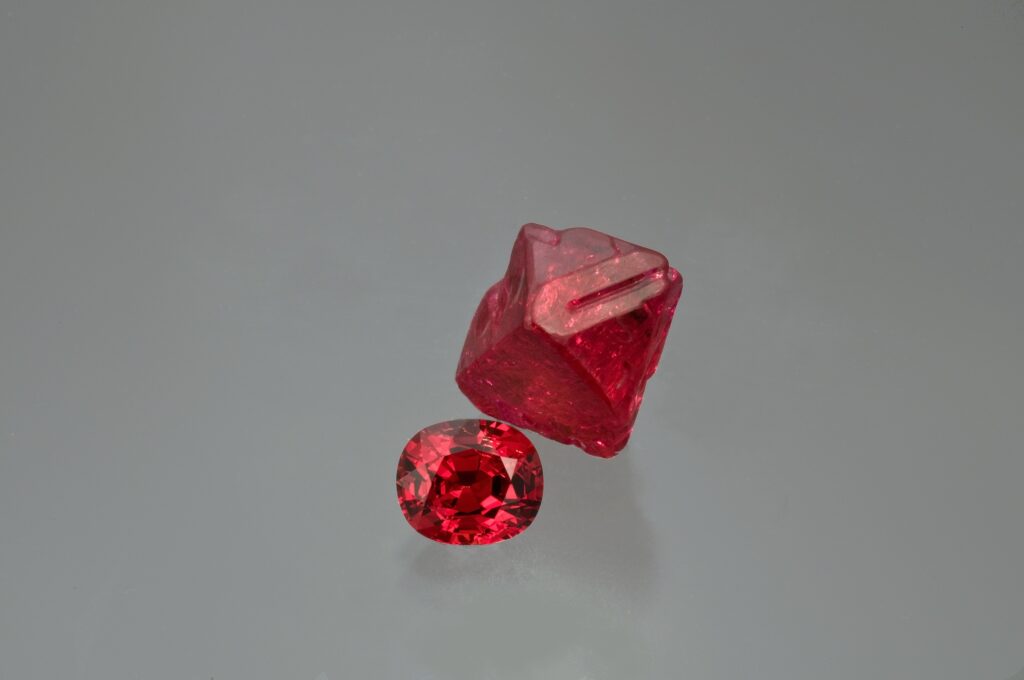
The most brilliant reds in gemstones are often found in the finest rubies and red spinels. Their captivating hue is not solely a product of selective absorption; it is amplified by fluorescence. This remarkable property occurs when the ultraviolet component of daylight, along with violet and blue light, is converted into red light by electrons within the stone. This added luminescence, particularly in the most exceptional specimens, creates an unparalleled, vivid red that seems to glow from within. This phenomenon contributes significantly to the desirability and value of top-quality rubies and red spinels, making them some of the most sought-after coloured gemstones.
The Royal Blue: Kashmir Sapphire
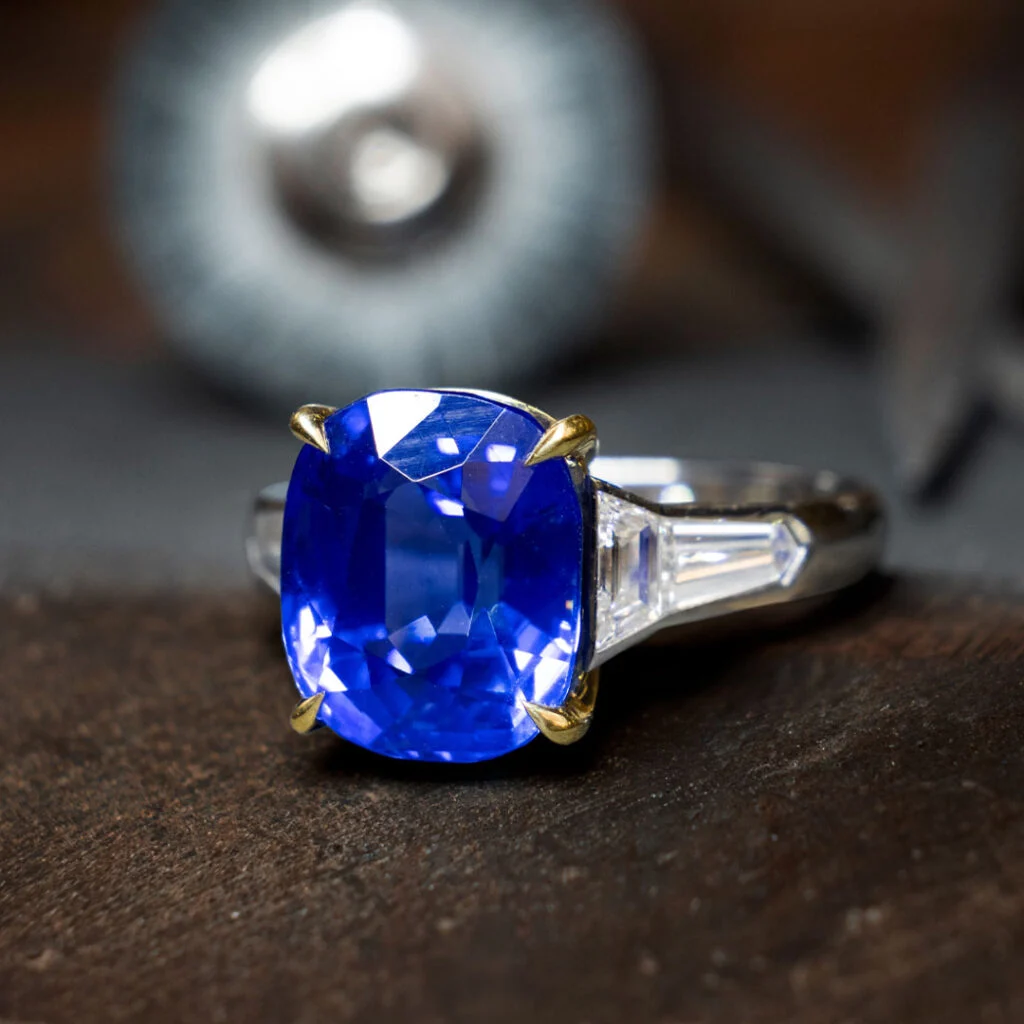
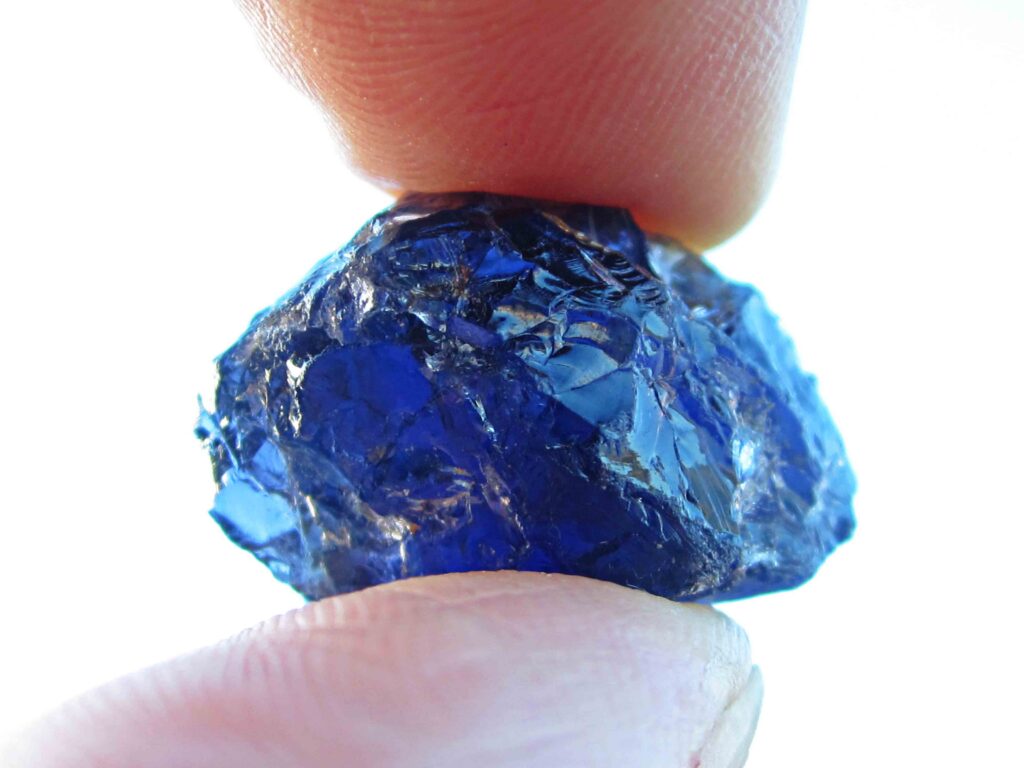
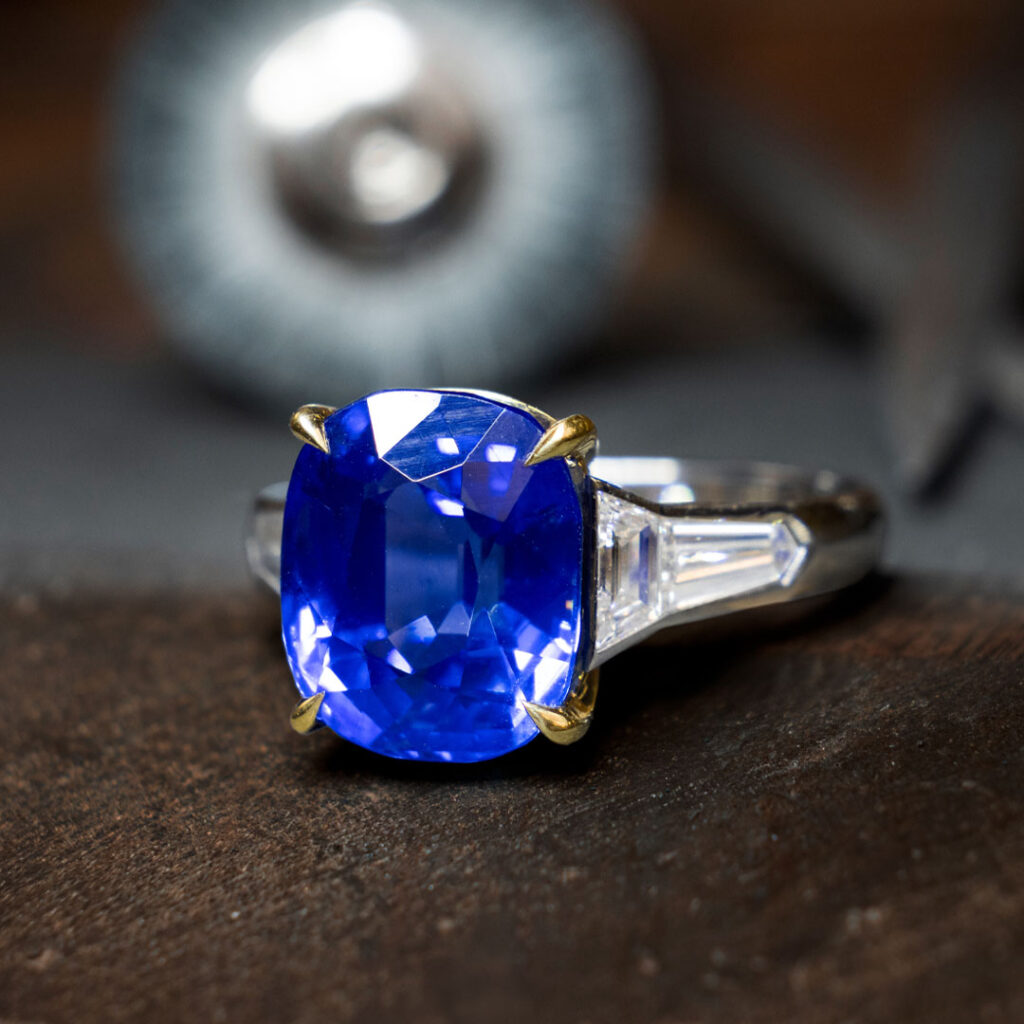
When it comes to the perfect blue, many connoisseurs would award the title to Kashmir sapphire. Discovered in the late 19th century, these exquisite stones are characterized by their "sleepy" appearance, a result of fine, needle-like inclusions that soften the light. The mines were largely depleted within a decade of their discovery, contributing to their extreme rarity. This scarcity, coupled with their enduring desirability, has cemented Kashmir sapphires as some of the most coveted coloured stones in the world. While sapphires from other locales, particularly Madagascar, can rival their beauty, the finest examples from Kashmir remain the benchmark for blue.
The Enchanting Green: Emerald and Jadeite
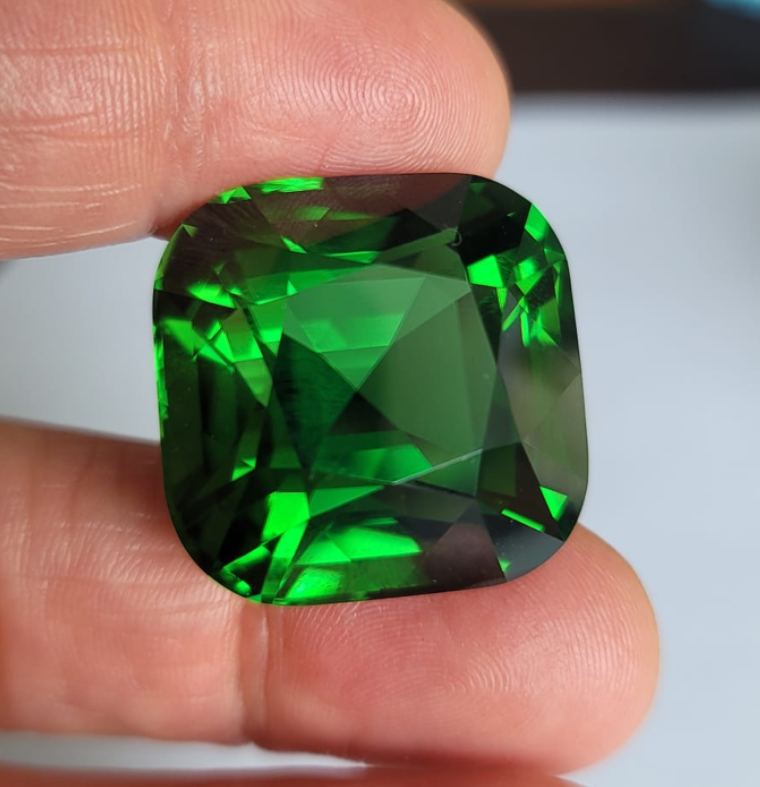
Chromium, a fascinating element, plays a pivotal role in producing vibrant greens in several gemstones, including tourmaline and demantoid garnet. However, two gemstones vie for the title of the most valued bright green stone coloured by this element: emerald and jadeite. Emerald, a variety of beryl, is globally recognized for its rich, verdant hue. Jadeite, a form of jade, offers a similarly luxurious green, often with a distinctive translucency. Fine examples of both emerald and jadeite are exceptionally rare and command very high prices, reflecting their inherent beauty and the geological challenges associated with their formation.
The Elemental Influence: Chromium’s Role in Gemstone Colour
Chromium is a versatile element with a profound impact on the colouration of gemstones. Its presence, even in small percentages, can dramatically alter the appearance of a mineral. As mentioned, chromium is responsible for the vivid red of ruby and spinel by replacing some of the aluminium atoms in their crystal structure. This substitution allows for the absorption of specific wavelengths of light, while the phenomenon of fluorescence further intensifies the red.
Beyond reds, chromium is also the architect of brilliant greens. In tourmaline, it can produce a range of greens, from subtle to intense. Demantoid garnet, a rare variety of andradite garnet, owes its vibrant green to the presence of chromium.
Perhaps one of the most intriguing roles of chromium is its contribution to the colour-changing phenomenon observed in alexandrite. This rare variety of chrysoberyl exhibits a dramatic shift in colour, appearing red in incandescent light and green in daylight. While neither colour may reach the intensity of a fine ruby or emerald, the captivating colour-change effect has intrigued collectors and jewellers since the discovery of alexandrite, making it a highly prized and unique gemstone.
Rare Phenomena: Tenebrescence and Beyond
Beyond the common mechanisms of colour formation, some gemstones exhibit rarer and more intriguing optical phenomena. Tenebrescence is one such effect, where a stone’s colour changes or intensifies upon exposure to ultraviolet (UV) light. While several minerals display this property, hackmanite, a variety of sodalite, offers the most dramatic demonstration. Hackmanite can transform from a pale pinkish hue to a deep purple when exposed to UV radiation. Interestingly, light causes this colour to fade, while UV light darkens it. In the best specimens, this colour change is rapid and captivating, allowing observers to witness the darkening effect in real-time when held in sunlight.
A Canvas of Colour: Diversity in Popular Gemstones
While the focus often falls on specific rare colours, many popular gemstones are appreciated for their wide range of hues.
Diamonds: The Absence and the Exception
Diamonds are traditionally celebrated for their lack of body colour, with colourless (white) diamonds being highly desirable. The absence of colour allows for maximum brilliance and fire. However, diamonds can also be found in a dazzling array of colours. While fancy coloured diamonds are generally rare, certain hues are exceptionally scarce. Bright yellow, green, blue, and pink diamonds are all considered valuable. Yet, the rarest and most coveted colours are red and purple. These intensely saturated hues are seldom encountered in the jewellery trade. The recent sale of the Argyle Phoenix, a 1.52-carat red diamond, for $4.2 million underscores the extraordinary value placed on these unique colours.
Tourmaline: A Kaleidoscope of Hues
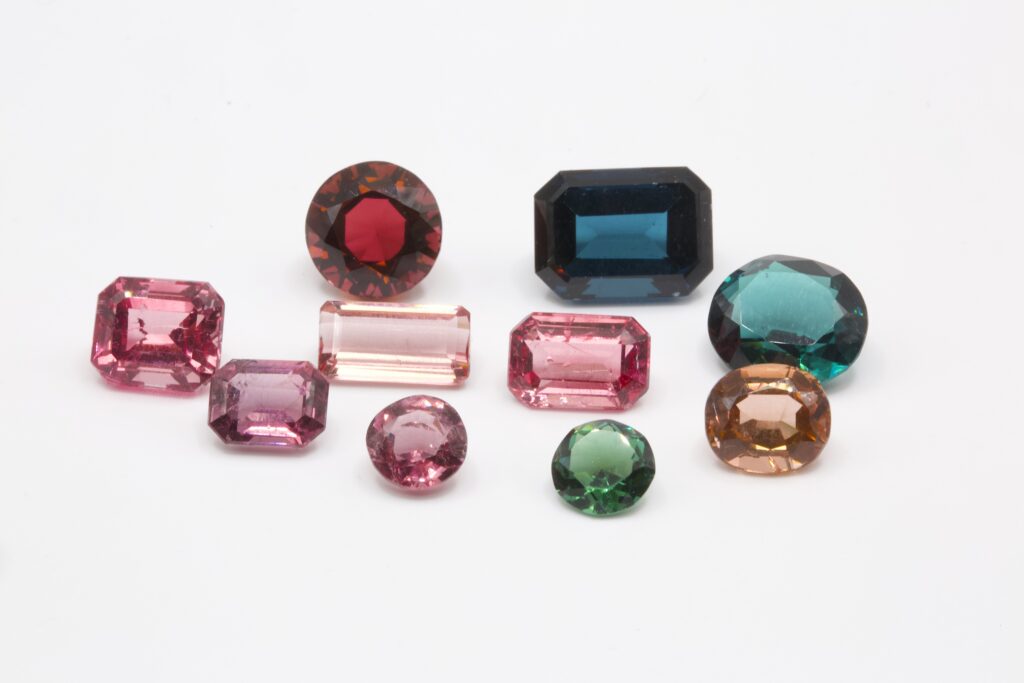
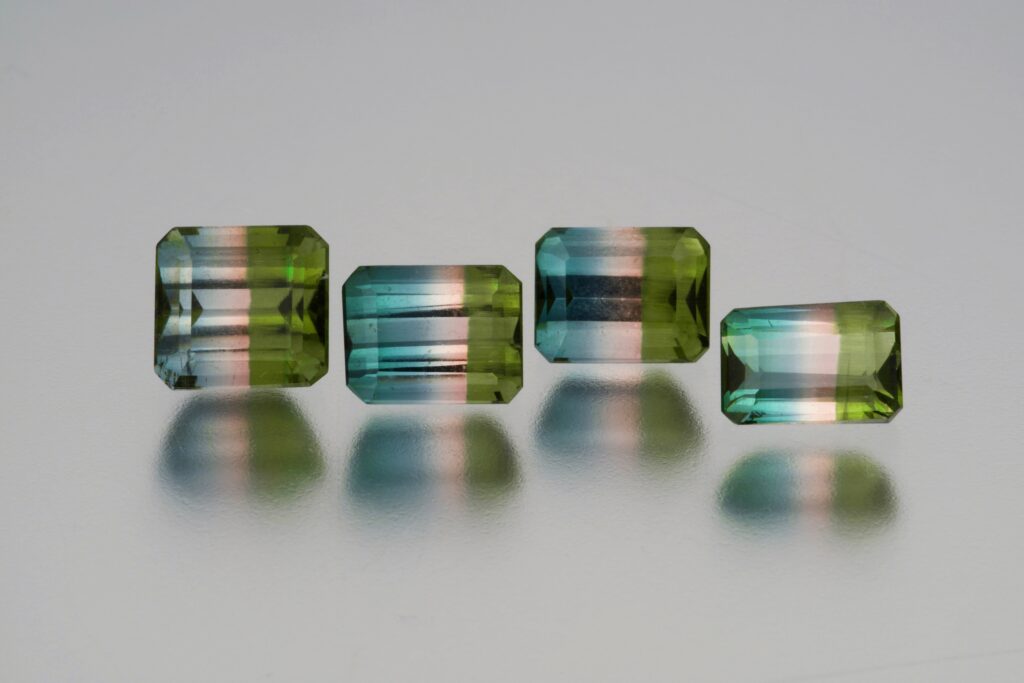
In stark contrast to the rarity of coloured diamonds, tourmaline is renowned for its extraordinary colour diversity. This gem species presents a veritable kaleidoscope of colours, from rich greens and blues to vibrant pinks and reds, often appearing in striking combinations within a single stone. Parti-coloured tourmalines, where distinct colour zones coexist, are particularly fascinating. For instance, emerald-cut stones exhibiting a blend of green and pink are considered exceptionally attractive.
A significant discovery in the late 1980s brought another dimension to tourmaline’s colour palette. The identification of copper-coloured tourmalines, found in the state of Paraíba in Brazil, caused a sensation in the gem trade. These "Paraíba tourmalines," with their electrifying shades of neon blue and green, captured the imagination of buyers and saw their value skyrocket. While similar tourmalines have since been found in neighbouring regions and in Africa, this vibrant variety remains rare and highly prized.
Opal: The Dance of Light
While the gemstones discussed so far primarily display body colour, opal presents a unique case. The base colour of most opals ranges from white to black. However, precious opals are distinguished by their "play-of-colour," a phenomenon arising from the diffraction of light by microscopic spheres of silica. This results in an almost endless array of colours, patterns, and combinations, creating astonishing displays of vibrant hues that shimmer and dance with every movement.
Beyond the Mainstream: Exploring Other Prized Hues
The world of gemstones offers a rich tapestry of colours beyond the most celebrated examples. Many less common, yet equally beautiful, gemstones can be found in a variety of gorgeous colours, often at a more accessible price point.
Bright green tsavorite garnets, known for their vibrant emerald-like hue and excellent hardness, are a testament to this. Padparadscha sapphires, a rare and exquisite blend of pink and orange, are also highly sought after for their unique and delicate colour.
For those seeking affordability without compromising on beauty, a wealth of options exists. The rich purple of amethyst, the striking blue of fine kyanite (which can be mistaken for sapphire), and the blue-to-green apatites that bear comparison to Paraíba tourmalines are just a few examples. While these stones may not possess the same durability as some of the more famous gems, their aesthetic appeal and unique colours make them attractive choices.
The Pursuit of Rarity and Beauty
Ultimately, the rarest and most valuable gemstone colours are those that are the brightest, most vivid, and of the highest quality. The subtle differences between a good blue sapphire and a magnificent Kashmir sapphire underscore this principle. The same can be said for all colours across the spectrum and for every gem species.
Fortunately, the pursuit of beauty is not solely the domain of the ultra-rare. The gem trade offers an extensive selection of good-quality gemstones whose appearance can be significantly enhanced by careful cutting and thoughtful jewellery design. These accessible yet beautiful stones allow a wider audience to appreciate the captivating world of gemstone colour, proving that desirability and beauty are not confined to the most exclusive of treasures.
Main Image: A captivating array of cut and polished tourmaline gemstones, showcasing a spectrum of vibrant colours, photographed by Gabriel Kleinberg.
For those eager to deepen their understanding of gemmology and the fascinating science behind gemstone colour, Gem-A offers a short online course, GemIntro, and a range of accredited programmes designed to equip aspiring gemmologists with comprehensive knowledge and practical skills.



