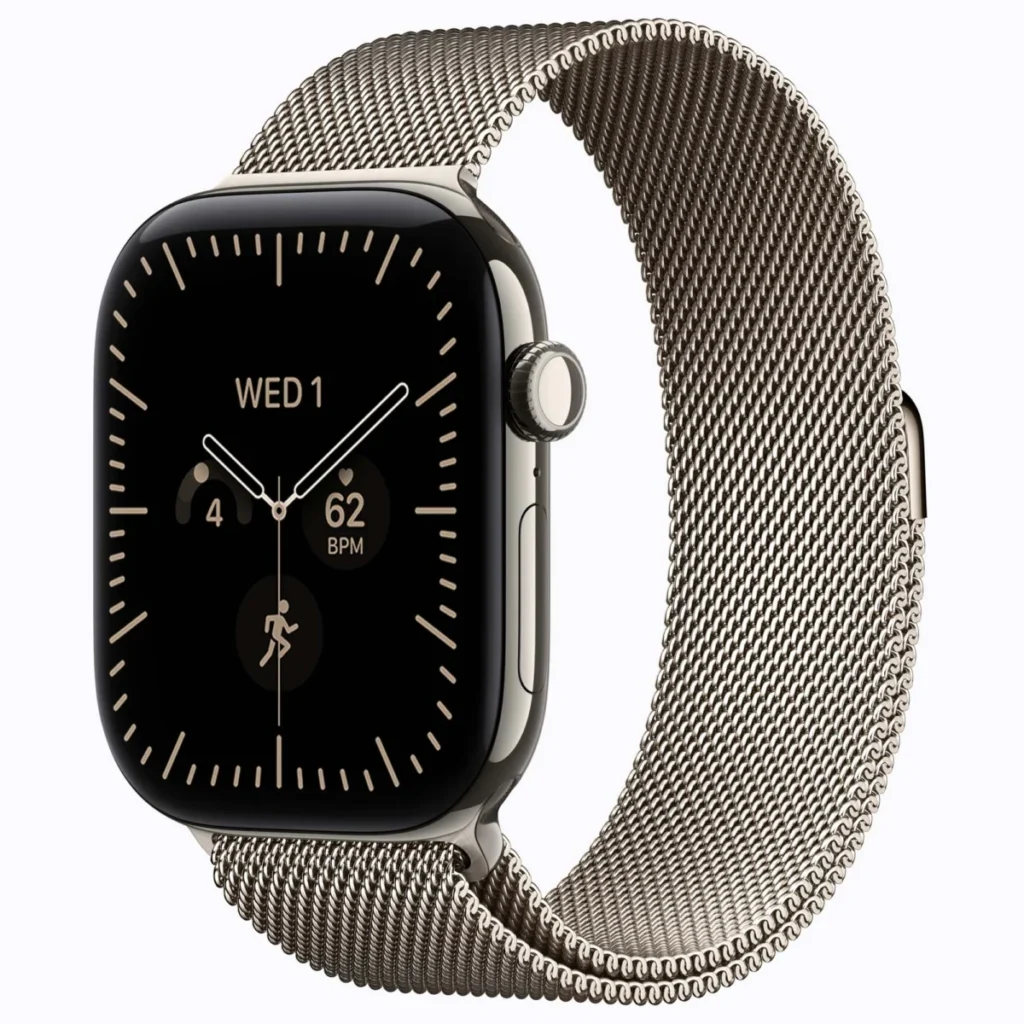
While the tech world’s collective gaze was firmly fixed on the debut of the foldable iPhone Duo this morning, Apple quietly executed a significant evolution of its wearable portfolio. The unveiling of the Apple Watch Series 12 represents a departure from the iterative updates of recent years, signaling a return to premium material experimentation and a sophisticated leap in health-monitoring technology. Announced alongside the high-performance Apple Watch Ultra 4, the Series 12 is positioned as the definitive bridge between lifestyle elegance and high-fidelity biometrics.
The Evolution of the Flagship: Core Advancements
At its heart, the Apple Watch Series 12 is powered by the new S11 silicon, an architecture optimized for "Audio Intelligence"—a suite of on-device processing capabilities that promise to redefine how users interact with their environment.
Physically, the Series 12 retains the familiar silhouette that has defined the brand for over a decade, maintaining the choice between 42mm and 46mm case sizes. However, the most immediate point of interest for long-term enthusiasts is the reintroduction of ceramic to the lineup. By offering aluminum, Grade 5 titanium, and the elusive ceramic finish, Apple is clearly segmenting the Series 12 to cater to both the fitness-focused entry-level user and the luxury-conscious consumer who views their wearable as a horological statement.
A Chronology of the Apple Watch
To understand the significance of the Series 12, one must look at the trajectory of Apple’s wearable journey since its inception:

- 2015: The original Apple Watch debuts, establishing the square-cased standard for the industry.
- 2016–2018: The Series 2, 3, and 4 iterate on water resistance and standalone cellular connectivity, moving the device from a smartphone accessory to an independent tool.
- 2019: The Series 5 introduces the "Always-On" display and the first instance of ceramic cases, setting a luxury benchmark.
- 2022: The Apple Watch Ultra is launched, carving out a niche for extreme athletes and adventurers.
- 2024–2025: The Series 10 and 11 refine the display technology and integration within the Apple ecosystem.
- 2026 (Present): The Series 12 launches, marking the return of ceramic and the integration of advanced Audio Intelligence.
Health Monitoring: The Redesigned Sensor Array
Perhaps the most critical upgrade in the Series 12 is the completely redesigned rear sensor array. Apple has moved beyond mere pulse counting, focusing heavily on Heart Rate Variability (HRV).
By utilizing the new sensor architecture, the Series 12 is capable of capturing HRV measurements 24 times more frequently than the Series 11. This data is synthesized into an expanded, intuitive dashboard within the native Heart Rate app. For medical professionals and fitness enthusiasts alike, this shift toward high-frequency, continuous data collection provides a far more granular view of autonomic nervous system health, stress recovery, and cardiovascular readiness.
The "Audio Intelligence" Paradigm Shift
A hallmark feature of the 2026 product cycle is the integration of Audio Intelligence. By leveraging the internal microphone array and the S11 chip’s neural engine, the watch no longer just records sound—it interprets it.
The implications are multifaceted:

- Environmental Awareness: The watch can intelligently filter ambient noise to alert the user to specific, critical sounds, such as sirens, fire alarms, or a baby crying, enhancing personal safety.
- Conversational Assistance: The device can now act as an active listener in professional settings. It can record and transcribe meetings, subsequently summarizing key action items.
- Real-Time Retrieval: Users can ask the watch to "replay" or "summarize" the last few minutes of a conversation, turning the wearable into a sophisticated memory aide.
Materiality and Design Philosophy
The choice of materials in the Series 12 is a deliberate nod to the "watchmaking" side of the tech industry.
- Ceramic: Returning after a multi-year hiatus, the ceramic model is the standout. It offers a scratch-resistant, high-gloss finish that is significantly harder than stainless steel or titanium, providing a unique aesthetic that sits comfortably alongside traditional luxury timepieces.
- Grade 5 Titanium: For those who prefer a more rugged, utilitarian look, the titanium option offers a superior strength-to-weight ratio.
- Aluminum: The entry point for the series, maintaining the lightweight, comfortable form factor that has made the Apple Watch the world’s most popular timepiece.
The Series 12 also utilizes distinct glass protection based on the material: Aluminum models are equipped with Apple’s proprietary Ceramic Shield 2, while the premium Titanium and Ceramic models feature sapphire crystal, ensuring maximum scratch resistance for the sapphire-encased sensors.
Official Responses and Market Positioning
While Apple rarely comments on market strategy beyond its keynote presentations, the company’s focus remains clear: the Apple Watch must be as indispensable as the iPhone.
"We wanted to ensure that the Series 12 felt like a significant upgrade, not just in terms of speed, but in how it interacts with the world around you," said an Apple spokesperson during the launch event. "By improving the frequency of health metrics and introducing Audio Intelligence, we are providing a tool that is proactive rather than reactive."

Industry analysts have noted that the return of ceramic suggests Apple is attempting to solidify its presence in the luxury watch market. By offering premium materials, they are directly challenging mid-range luxury horology brands that have historically resisted the "smart" transition.
Implications for the Future of Wearables
The implications of the Apple Watch Series 12 launch extend beyond hardware.
1. The Death of the Passive Device
With the arrival of Audio Intelligence, the "passive" wearable—a device that only displays notifications—is effectively dead. The new standard is an "active" agent that monitors the user’s health, listens to their environment, and summarizes their daily interactions.
2. The Health-Tech Convergence
The 24x increase in HRV measurement frequency positions Apple as a serious contender in medical-grade diagnostics. While not a medical device in the legal sense, the granularity of the data collected will likely lead to earlier detection of cardiac arrhythmias and other physiological anomalies.

3. Sustainability and Longevity
By continuing to offer modular straps—ranging from the high-performance Nike rubber bands to the artisanal leather offerings from Hermès—Apple is maintaining its grip on the fashion segment. The ability to swap a sleek ceramic watch from a professional business setting to a high-intensity gym session via a quick strap change remains the brand’s strongest competitive advantage.
4. Battery and Performance
Despite the massive increase in processing power required for the S11 chip and audio analysis, Apple has managed to maintain the 38-hour battery life (in Low Power Mode). This ensures that the watch remains a viable tool for sleep tracking and all-day health monitoring, a critical requirement for a device that aims to track 24-hour health cycles.
Conclusion: A New Standard
The Apple Watch Series 12 is more than a simple iteration of a successful product; it is a manifestation of where Apple sees the future of personal technology. By successfully blending the aesthetics of traditional horology—through the return of the ceramic case—with the cutting edge of AI-driven audio processing and high-frequency health sensing, Apple has set a new bar for the industry.
Whether you are a data-driven athlete looking for the most accurate HRV tracking on the market, or a fashion-conscious professional looking for a timepiece that transitions seamlessly between boardrooms and the outdoors, the Series 12 offers a compelling, feature-rich proposition. As we move into the latter half of the decade, it is clear that the wrist is the most important piece of real estate in the tech world, and with the Series 12, Apple intends to hold onto it.