
In the sprawling landscapes of Texas, where the climate ranges from arid plains to humid subtropical zones, the exterior of a home is more than just a yard—it is an extension of the living space and a significant financial asset. As homeowners increasingly seek to blur the lines between indoor luxury and outdoor serenity, the demand for professional landscaping services has surged. Engaging a professional Texas landscape company is no longer just about mowing lawns; it is a strategic investment in real estate, sustainability, and personal well-being.
The Financial and Aesthetic Impact: Why Professional Landscaping Matters
Enhancing Property Valuation Through Strategic Design
For many Texas homeowners, the backyard represents the largest untapped square footage of their property. When executed with professional oversight, landscaping can serve as a primary driver for property appreciation. Market research consistently indicates that a thoughtfully curated exterior—featuring manicured lawns, cohesive plant layering, and functional hardscaping—can elevate a home’s perceived market value by as much as 15% to 20%.
Beyond the surface-level beauty, expert landscapers provide a layer of horticultural intelligence that protects this investment. By analyzing soil composition, local drainage patterns, and the specific microclimates of a property, professionals ensure that the investment remains resilient against the harsh Texas sun and periodic droughts. A beautiful yard that dies in August is not an asset; a sustainable, professionally maintained landscape is.
The Science of Xeriscaping and Sustainable Choices
Texas’s unique environmental challenges necessitate a nuanced approach. Leading firms are shifting away from water-intensive, high-maintenance lawns toward xeriscaping—a style of landscape design that requires little to no irrigation. By utilizing native Texas flora, such as Texas Sage, Yucca, or Buffalo Grass, homeowners can achieve a lush, vibrant look that is inherently drought-tolerant. This transition not only reduces water utility bills but also contributes to local biodiversity, creating a private sanctuary that respects the local ecosystem.
Chronology of a Landscape Transformation
The journey from a blank slate to a private oasis is a structured process that requires precision, patience, and professional coordination. Understanding this timeline helps homeowners manage expectations and ensures the project remains on track.
Phase 1: The Discovery and Consultation
The process begins with an in-depth site analysis. A professional team arrives to evaluate topography, sunlight exposure, and existing vegetation. During this phase, the landscape architect and the homeowner establish a "vision profile." This includes budget parameters, aesthetic preferences (e.g., modern, rustic, or formal), and functional requirements like play areas, kitchens, or fire pits.
Phase 2: Design and Blueprinting
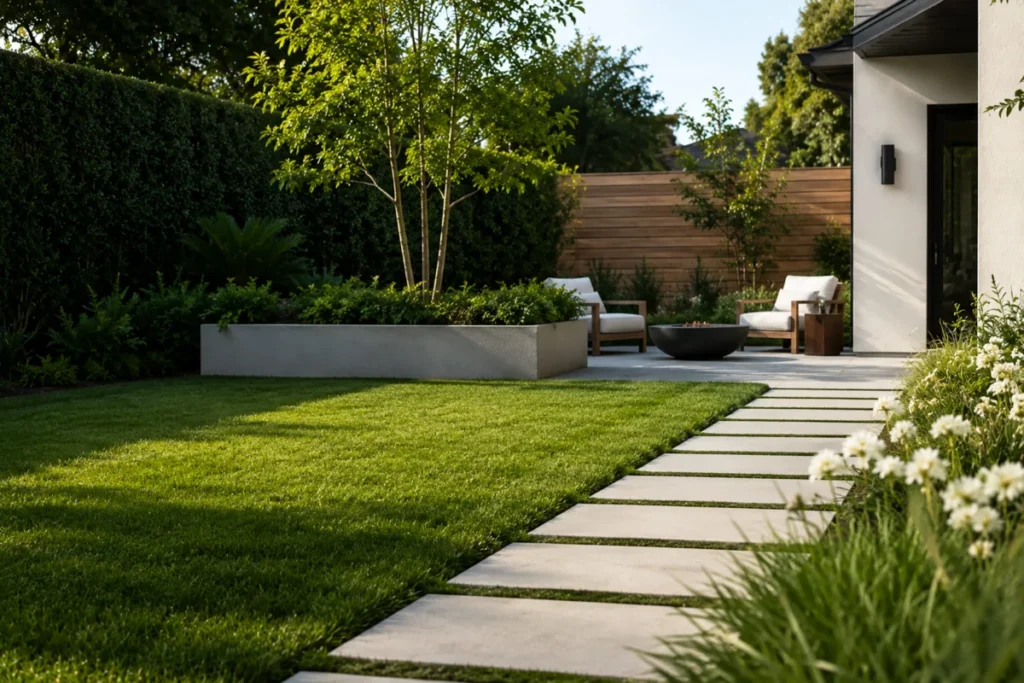
Once the vision is aligned, the design team produces a conceptual layout. This is the stage where "hard" and "soft" elements are balanced. Hardscaping—the stone pathways, retaining walls, and patios—is planned to provide structure, while softscaping—the trees, shrubs, and seasonal blooms—is selected to provide texture and color.
Phase 3: Site Preparation and Hardscape Installation
Before a single plant is placed in the ground, the "skeleton" of the landscape is built. This is the most labor-intensive phase, involving excavation, the installation of irrigation systems, and the construction of structural features. Quality, at this stage, is paramount; poor drainage or unstable foundations for stone work can lead to costly repairs down the line.
Phase 4: Planting and Finishing Touches
The final stage involves the installation of flora. Professionals ensure that plants are spaced correctly for long-term growth and that the soil is properly amended with organic matter. The project concludes with the final walk-through, where the homeowner is educated on the specific care required for their new outdoor environment.
Supporting Data: The Value of Professional Expertise
The shift toward professional landscape management is supported by clear industry trends:
- Efficiency: Automated smart-irrigation systems installed by professionals can reduce water consumption by up to 30% compared to traditional manual or timer-based systems.
- Maintenance ROI: Properties with professional, year-round maintenance contracts maintain a higher curb appeal score, leading to faster sell-times in competitive Texas real estate markets.
- Environmental Impact: Native plantings installed by experts reduce the need for synthetic fertilizers and chemical pesticides, promoting a healthier micro-environment for families and pets.
Official Perspectives: The Professional Landscape Architect’s Role
According to industry experts, the secret to a successful transformation lies in the "Collaborative Framework." A lead designer from a top-tier Texas landscape company notes: "A landscape is a living, breathing entity. Our role is to act as a bridge between the homeowner’s dreams and the biological reality of the Texas climate. When a client trusts the design process, they aren’t just buying plants; they are commissioning a custom environment designed for their specific lifestyle."
Professional firms emphasize that the most successful projects are those that prioritize "functional beauty." This means designing for how the space will be used at 6:00 PM on a Tuesday, not just for how it looks in a photograph.
Implications for the Future of Texas Real Estate
As urban sprawl continues to define the Texas landscape, the private garden has become a sanctuary of mental well-being. The implications of hiring a professional firm extend beyond the balance sheet.
Increased Energy Efficiency
Strategic placement of shade trees and the installation of green buffers can significantly reduce the "heat island" effect around a home. By cooling the air through transpiration and providing shade to exterior walls, a well-landscaped property can reduce the cooling load on an HVAC system, leading to measurable energy savings.
Social and Mental Well-being
There is an undeniable correlation between access to green space and stress reduction. Modern landscape designs now frequently include "sensory gardens," water features that mask street noise, and dedicated spaces for morning meditation or evening social gatherings. The professional landscape company acts as a curator of these experiences, ensuring that the homeowner can escape the chaos of daily life without ever leaving their property.
Conclusion: Choosing Your Partner
Selecting a landscape partner in Texas is a high-stakes decision. Homeowners should look for firms that demonstrate:
- A Robust Portfolio: Look for projects that align with your desired aesthetic.
- Certifications: Professional credentials from organizations like the National Association of Landscape Professionals (NALP) indicate a commitment to standardized, high-quality practices.
- Communication Style: A company that takes the time to explain the "why" behind their design choices is usually one that stands behind their work.
- Client Testimonials: Real-world experiences are the best indicator of how a company handles unforeseen challenges, such as unexpected weather events or supply chain delays.
Investing in your outdoor space is an investment in your home’s future and your quality of life. By partnering with experts who understand the unique rhythm of the Texas landscape, you ensure that your outdoor environment remains a source of pride, comfort, and value for years to come.
FAQ: Navigating Your Landscaping Project
What certifications should a reputable company hold?
Look for firms that are members of state-level associations like the Texas Nursery & Landscape Association (TNLA). These organizations require adherence to ethical standards and ongoing education in horticultural best practices.
How does hardscaping add value?
Hardscaping (patios, walkways, stone fire pits) defines the "usable" space of a yard. It creates a seamless transition between indoor and outdoor living, making the property more attractive to potential buyers who value low-maintenance, high-utility outdoor areas.
Why is seasonal maintenance a non-negotiable expense?
Texas weather is extreme. Seasonal maintenance (pruning, fertilization, irrigation adjustments) is the only way to prevent the "burnout" of delicate plants. It is proactive insurance against the high cost of total landscape replacement.
Can technology really improve my lawn?
Yes. Smart controllers now use real-time weather data to adjust irrigation. If it rained yesterday, your system won’t run today, saving water and preventing root rot.
How long should I expect a full landscape renovation to take?
While simple plantings can take a few days, a comprehensive project including hardscaping, irrigation, and softscaping typically ranges from four to eight weeks, depending on the scale and complexity of the design.