Japan has long been a sanctuary for those seeking a balance between hyper-modernity and ancient tradition. However, the travel landscape of 2026 is witnessing a paradigm shift: luxury hospitality is moving beyond mere accommodation, offering instead a "curated immersion" into the heart of Japanese identity. From the haute couture streets of Tokyo to the fermented wellness rituals of Hokkaido and the meditative ink-strokes of Osaka, three iconic properties are leading a movement that transforms the guest experience into a profound cultural dialogue.
1. Main Facts: The New Frontier of Hospitality
The current trend in Japanese luxury travel is defined by hyper-exclusivity and deep-rooted thematic consistency. Travelers are no longer satisfied with visiting landmarks; they wish to inhabit them. This shift is best exemplified by three distinct initiatives:
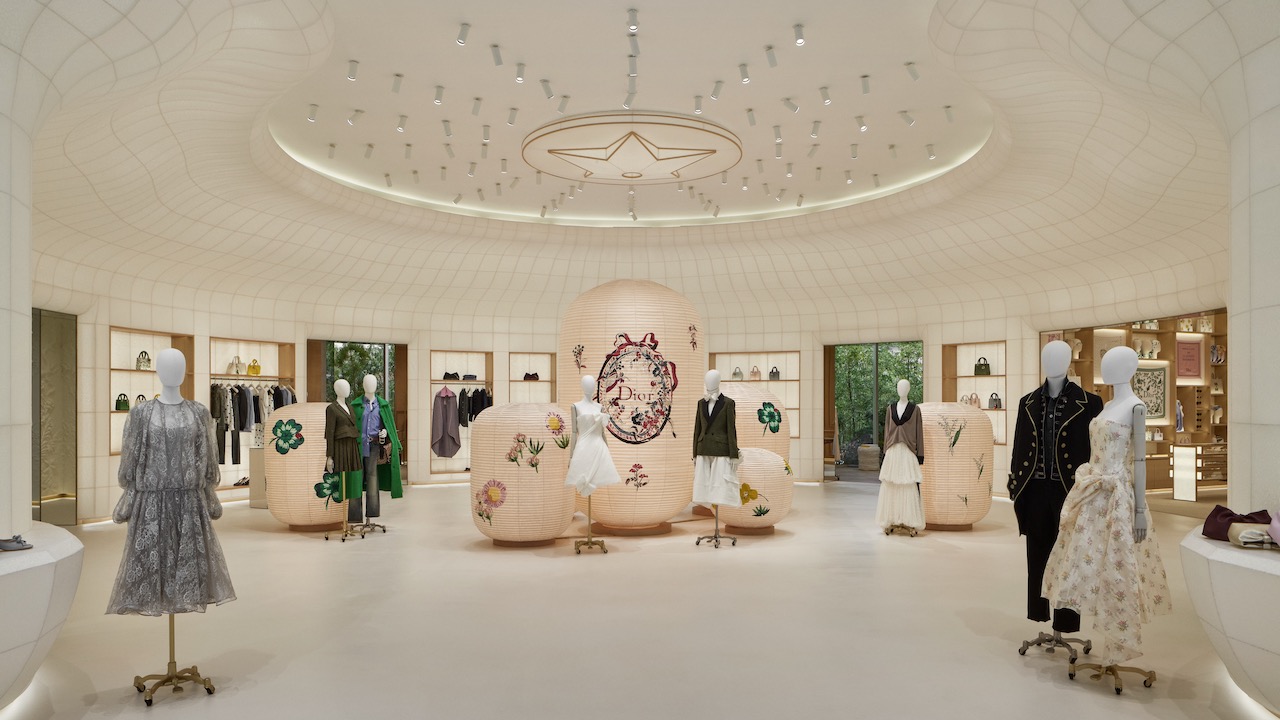
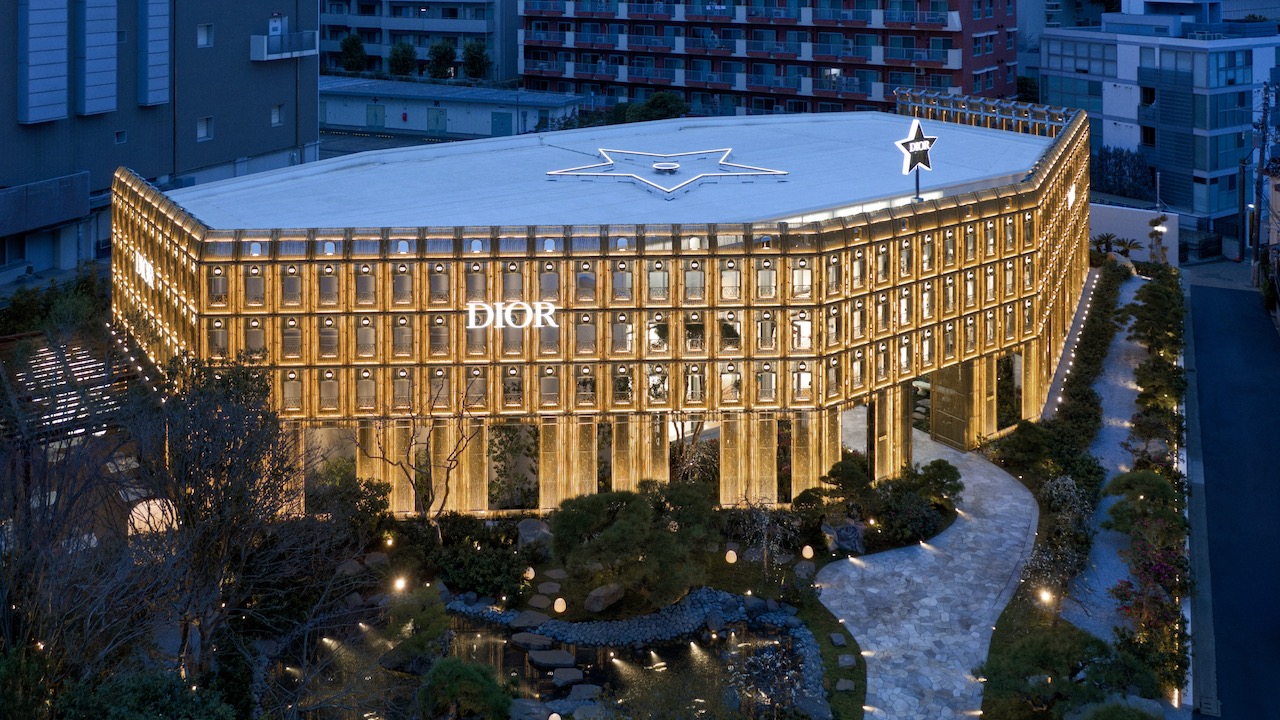
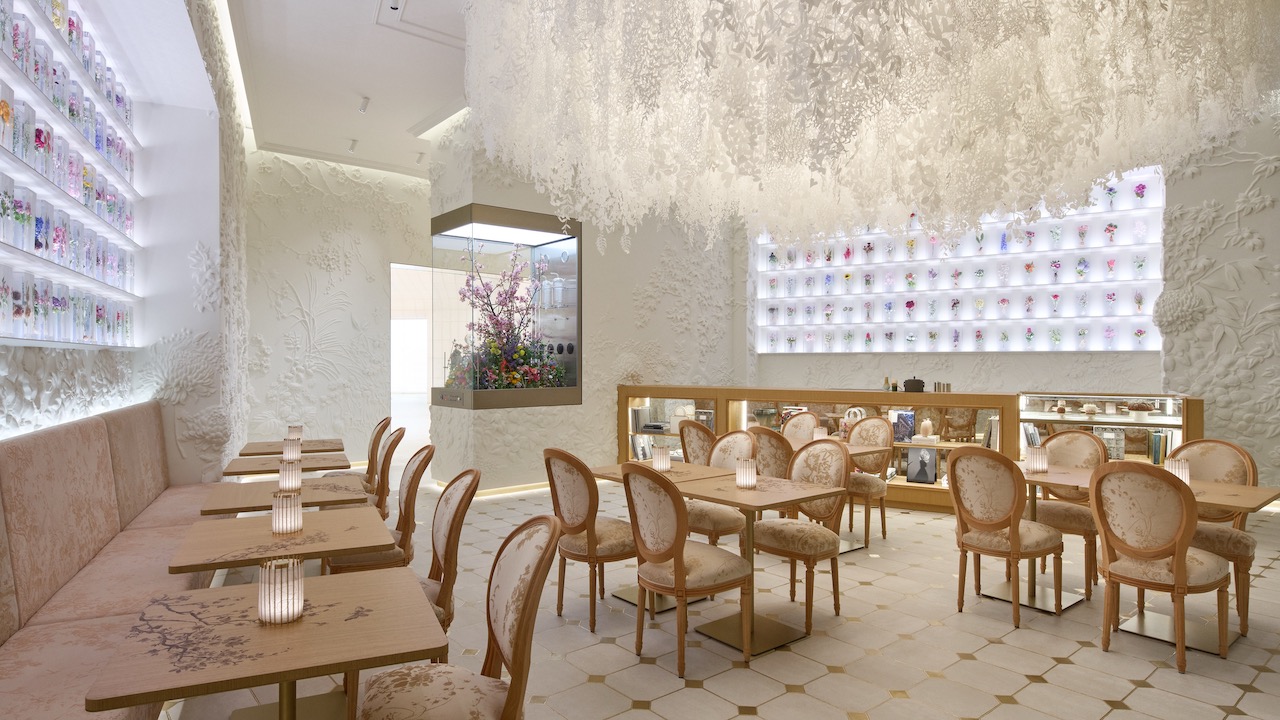
- The "Touch of Dior" Experience (Palace Hotel Tokyo): A collaboration that bridges the gap between Parisian fashion and Japanese architectural minimalism, centered around the exclusive Dior Bamboo Pavilion in Daikanyama.
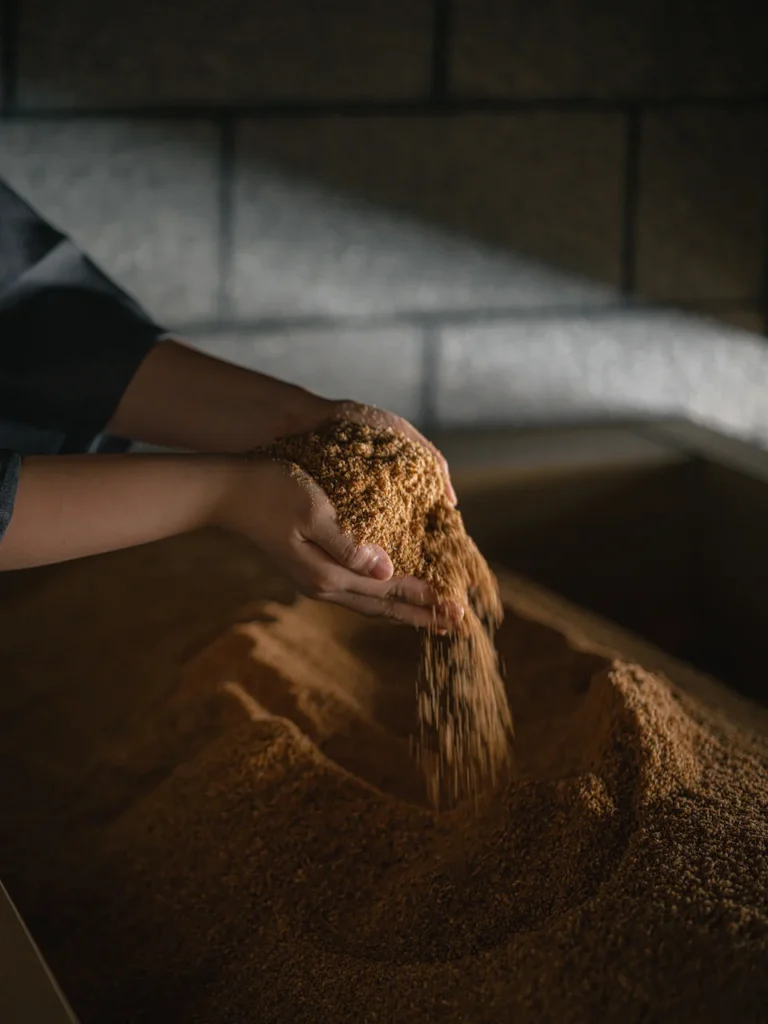
- The Philosophy of Kamosu (Otaru Retreat by Onko Chishin): A wellness program in Hokkaido that utilizes the traditional science of fermentation to heal the body, effectively branding the hotel as a "living, breathing" organism.
- The Essence of Shodō (Zentis Osaka): A cultural residency that invites guests to transcend the role of a spectator, instead becoming students of the thousand-year-old art of Japanese calligraphy under the guidance of masters.
These initiatives are not merely marketing ploys; they are strategic partnerships designed to elevate the "Three Keys" (the Michelin Guide’s highest honor for hotels) standard of service into something transformative.
2. Chronology: A Roadmap for the Discerning Traveler
The evolution of these experiences is rooted in a deliberate timeline, ensuring that these offerings remain exclusive and timely.
- February 2026: The Otaru Retreat by Onko Chishin reopens its doors, introducing the kamosu concept to the Asarigawa Onsen district. This marked the beginning of a shift toward sensory-led wellness in Hokkaido.
- June 2026: Zentis Osaka launches the third edition of its Art-in-Residence programme. This month served as the official start for the Shodō immersion packages, creating a bridge between high-end boutique hospitality and traditional arts.
- 2026–2027 (Ongoing): The Palace Hotel Tokyo’s "A Touch of Dior" package commences. Limited to one booking per day, this program is scheduled to run through March 2027, maintaining its status as one of the most sought-after luxury reservations in the capital.
- March 2027: The conclusion of the current "Essence of Shodō" and "A Touch of Dior" programs. These end dates underscore the ephemeral nature of these experiences—a reflection of the Japanese ichi-go ichi-e (one time, one meeting) philosophy.
3. Supporting Data: The Science and Craft Behind the Experience
The Architecture of Fashion
The Dior Bamboo Pavilion is a masterclass in material storytelling. The golden aluminum façade, designed to mimic the structural elegance of bamboo forests, serves as a bridge between the nature-centric values of Christian Dior and the precision of Japanese craftsmanship. Landscape designer Seijun Nishihata has curated a garden that acts as an outdoor gallery for the Pavilion, ensuring that the environment is as much a part of the collection as the clothing itself.
The Biology of Wellness
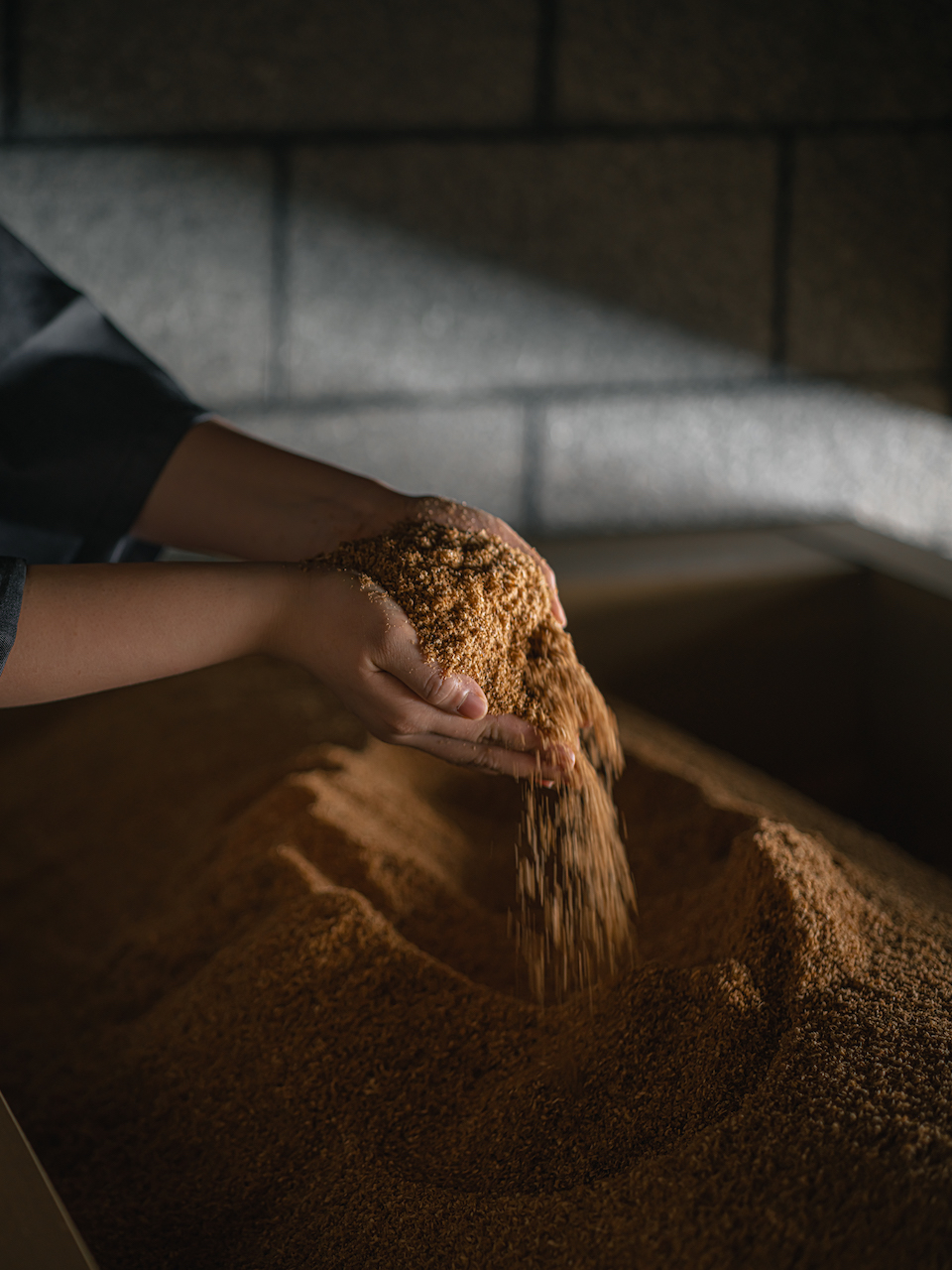
At Otaru Retreat, the collaboration with Ohtaka Enzyme is grounded in over 100 years of fermentation science. The "enzyme bath" is not a spa treatment in the traditional sense; it is a bio-thermal process. By utilizing Hokkaido conifer sawdust mixed with botanical extracts, the bath generates heat via natural microbial activity. This method, which promotes circulation and skin renewal, represents a shift toward "biomimetic" wellness—healing the body through the same processes that nature uses to regenerate.
The Precision of Calligraphy
The Shodō program at Zentis Osaka is anchored by the father-and-son mastery of Baikei and Taiga Uehira. The collaboration is supported by the Seisho Calligraphy Association, ensuring that the 60-minute lessons are academically rigorous. The inclusion of Parfum Satori bath salts—a scent profile specifically chosen to evoke the meditative environment of a calligraphy studio—demonstrates an attention to sensory detail that is increasingly expected in the high-end boutique sector.
4. Official Responses and Industry Perspectives
Hospitality leaders in Japan emphasize that these collaborations are vital for the sustainability of local crafts.
"We are not simply selling a room; we are curating a legacy," says a spokesperson for the Palace Hotel Tokyo. "By integrating the Dior Pavilion experience, we are challenging our guests to view Tokyo not just as a city of commerce, but as a living canvas of global and local art."
Similarly, the management at Otaru Retreat highlights that the kamosu philosophy is an attempt to reconnect urban travelers with the rhythmic pace of nature. "In an era of instant gratification, our enzyme baths and forest-facing onsens invite the guest to wait, to breathe, and to allow their bodies to undergo a natural transformation," they noted.
From the arts sector, Taiga Uehira expressed the importance of the Zentis partnership: "Calligraphy is often viewed as a static art form. By bringing it into the hotel space, we are showing that Shodō is a living, breathing practice that can be integrated into the modern professional’s life as a tool for mindfulness."
5. Implications: The Future of Cultural Tourism
The success of these programs carries significant implications for the global travel industry.
The Death of the Passive Tourist
The "passive tourist"—the traveler who visits a location simply to photograph it—is being replaced by the "participatory traveler." These hotel packages require the guest to engage, learn, and contribute to the experience. Whether it is mastering a brush stroke in Osaka or relaxing in a fermentation-active bath in Hokkaido, the traveler is now a collaborator in their own leisure experience.
The Rise of "Hyper-Local" Luxury
There is a clear movement toward grounding global luxury brands in local identity. The Dior Pavilion, for instance, does not feel like a Parisian store imported to Tokyo; it feels like a Japanese expression of Dior’s identity. This "localization of luxury" creates a unique value proposition that cannot be replicated elsewhere. If a guest wants the Shodō experience, they must go to Osaka; if they want the kamosu wellness treatment, they must travel to the Otaru district. This exclusivity drives both value and demand.
Economic and Cultural Sustainability
These initiatives serve as a vital lifeline for traditional Japanese arts. By partnering with organizations like the Seisho Calligraphy Association or local fermentation houses like Ohtaka Enzyme, luxury hotels are effectively subsidizing the preservation of heritage. This creates a symbiotic relationship: the hotel gains cultural credibility, and the masters of these crafts gain a platform to reach an international audience that might otherwise never have engaged with their work.
Conclusion
As Japan continues to evolve as a premier destination for the world’s most discerning travelers, the definition of "luxury" is being rewritten. It is no longer defined by the thread count of the linens or the view from the window alone, but by the depth of the connection the guest makes with the culture they are visiting. Through these meticulously crafted experiences at the Palace Hotel Tokyo, Otaru Retreat, and Zentis Osaka, Japan is proving that the most profound travel experiences are those that leave an indelible mark not just on the memory, but on the soul of the traveler.
As we look toward the remainder of 2026 and into 2027, it is evident that these unique hotel packages represent the gold standard of modern travel—a perfect synthesis of the ancient and the avant-garde.