In an era where the boundary between physical retail and digital convenience continues to blur, Michaels, the titan of the crafts and hobby industry, is making a bold play to dominate the custom framing market. By marrying high-fidelity augmented reality (AR) technology with a significant expansion of its physical product inventory, the retailer is attempting to eliminate the "guessing game" that has long plagued consumers looking to preserve their memories and art.
This strategic pivot, underscored by a high-profile partnership with Architectural Digest, marks a new chapter for the company as it seeks to modernize its image and appeal to a design-conscious demographic.
Main Facts: A Digital-First Approach to Custom Decor
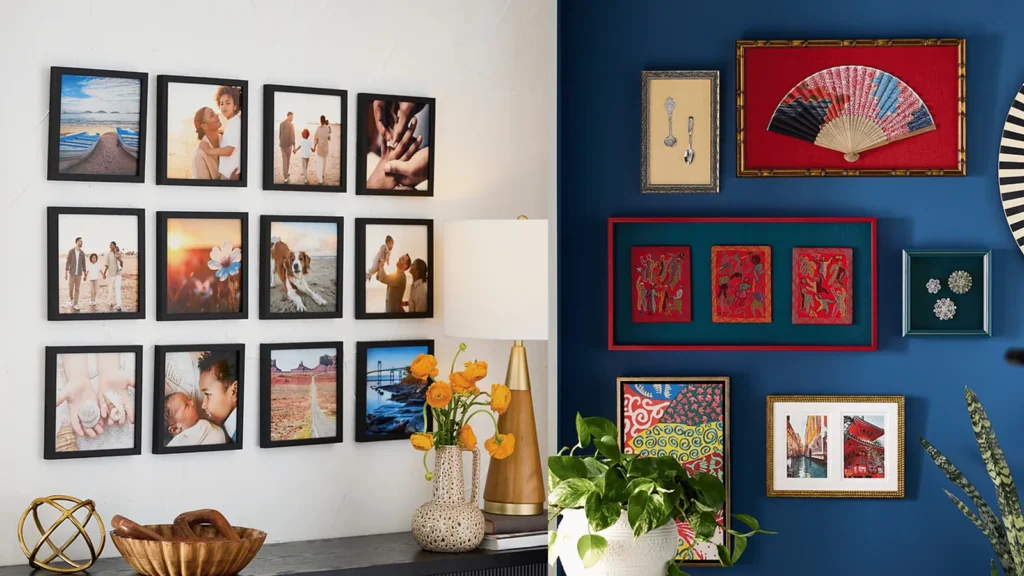
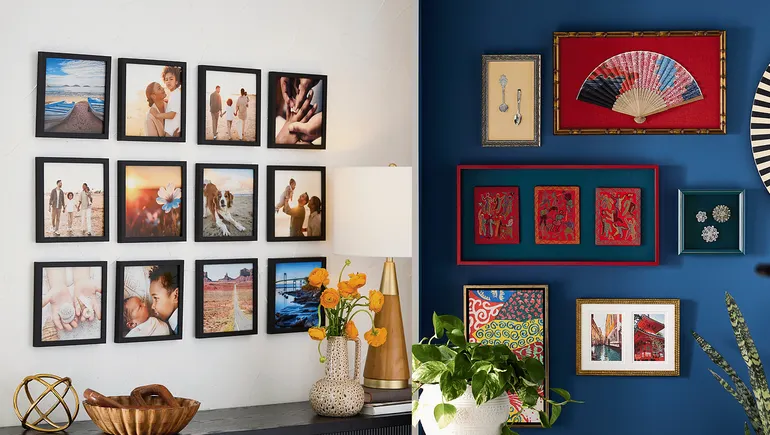
The cornerstone of Michaels’ recent announcement is the launch of an advanced online frame builder tool. This digital platform allows consumers to act as their own interior designers, customizing every aspect of their framing project—from material composition and glazing options to matting styles and frame dimensions.
However, the real innovation lies in the integration of 3D and AR visualization. Customers can now use their mobile devices to project a digital version of their custom-framed piece onto their actual walls. This allows users to assess how a frame’s finish—be it modern, bohemian, classic, or romantic—interacts with their existing home decor, lighting, and wall color before they commit to a purchase.
The move is not merely a feature update; it is a fundamental shift in how the retailer handles custom services. By moving the complexity of framing into a user-friendly digital environment, Michaels is stripping away the intimidation factor often associated with professional custom framing, making the process accessible to DIY enthusiasts and design novices alike.
Chronology of Transformation
Michaels’ journey toward this technological milestone did not happen in a vacuum. It is the culmination of a multi-year strategy aimed at enhancing customer touchpoints through digital and experiential innovation.
- Early 2024: Michaels begins testing localized, store-level improvements, including the expansion of in-store services such as 10-minute framing and same-day large-format fine art printing.
- May 2024: The company signals a aggressive shift in its merchandising strategy, announcing a 60% increase in its party supply assortment, incorporating high-demand licensed characters like Hello Kitty and Bluey to drive foot traffic.
- Mid-2024: Michaels opens its third experiential store concept in Rogers, Arkansas. This store serves as a "living lab," featuring specialized zones for embroidery, engraving, and sticker creation, alongside high-end framing services.
- Late 2024: The company launches "Ask Mike," an AI-powered shopping assistant built on Google’s infrastructure. This tool provides real-time, personalized recommendations to shoppers navigating the vast, often overwhelming, Michaels catalog.
- Present Day: The rollout of the AR-enabled frame builder and the collaboration with Architectural Digest cements the company’s commitment to a seamless omnichannel experience.
Supporting Data and Market Strategy
To understand why Michaels is investing so heavily in these technologies, one must look at the shifting landscape of retail. Consumers now expect "phygital" experiences—environments where physical products are augmented by digital intelligence.
According to industry trends, retailers that offer AR visualization report significantly lower return rates. By allowing customers to "see" the product in their space, the uncertainty that leads to post-purchase dissatisfaction is mitigated.
Furthermore, the expansion of the frame assortment—which includes over 200 new styles—is a direct response to data showing that home improvement and personalization are top priorities for the core Michaels demographic. By scaling their inventory alongside their technical capabilities, Michaels is ensuring that they have both the aesthetic variety to satisfy diverse tastes and the digital tools to help those customers choose the right product.
The integration of "Ask Mike" also provides a wealth of backend data. As users query the AI, Michaels gains granular insights into customer intent, regional style trends, and potential gaps in their product offerings. This creates a feedback loop that allows the retailer to adjust its supply chain and marketing strategy in near real-time.
Official Responses and Corporate Vision
The leadership team at Michaels has framed these initiatives as a commitment to empowering the "creator" in every customer.
"Our expanded framing assortment and innovative digital tools reflect our commitment to meeting our customers however and wherever they create," said Heather Bennett, President and Chief Customer Officer at Michaels. "By seamlessly blending a refreshed, style-forward in-store experience with immersive 3D and AR visualization online, we are empowering shoppers to bring their visions to life with absolute confidence."
This sentiment is echoed by the company’s broader corporate messaging, which emphasizes a move away from the traditional, transaction-only retail model toward a more holistic, service-based model. By becoming a partner in the creative process—rather than just a supplier of raw materials—Michaels is positioning itself as an essential utility for modern homeowners and artists.
Implications: The Future of Craft Retail
The implications of these changes extend far beyond the framing department. Michaels is effectively setting a new benchmark for the craft and hobby industry.

1. The Death of the "In-Store Only" Service Model
Historically, professional framing required an in-person consultation. By moving this process online with AR, Michaels is not only capturing the digital-native shopper but also alleviating the pressure on in-store staff. This allows associates to focus on high-touch, complex projects while the "easy" customizations are handled via the self-service digital portal.
2. Hyper-Personalization as a Competitive Moat
The combination of the "Ask Mike" AI and the AR visualizer creates a "walled garden" of personalization. A customer who uses these tools is less likely to jump to a competitor, as the platform learns their aesthetic preferences over time. This data-driven loyalty is a significant competitive advantage in a crowded retail market.
3. The "Experience" Economy
The success of the Rogers, Arkansas location, and the other experiential hubs, suggests that the future of brick-and-mortar retail lies in providing services that cannot be replicated online—such as in-person embroidery or engraving. By pairing these physical services with the digital framing tools, Michaels is creating a hybrid ecosystem that keeps customers engaged both in their homes and in the aisles.
4. Strategic Partnerships
The Architectural Digest partnership is a clear signal that Michaels intends to move upmarket. By aligning with a brand synonymous with luxury and high-end design, Michaels is elevating its own brand perception, moving away from being seen merely as a discount craft supply store and toward becoming a curator of lifestyle and home aesthetics.
Conclusion: A Blueprint for Resilience
Michaels is navigating the "retail apocalypse" narrative by doing exactly what many of its peers failed to do: evolving. By doubling down on the intersection of technology and human creativity, the retailer is transforming from a provider of goods into a facilitator of personal expression.
Whether these investments will yield a long-term increase in market share remains to be seen. However, the path the company has chosen—defined by artificial intelligence, augmented reality, and a refined focus on the customer experience—provides a compelling blueprint for how legacy retailers can survive and thrive in an increasingly digital world. As the company continues to iterate on its "Ask Mike" platform and expand its experiential store footprints, the focus will undoubtedly remain on making the act of creation as frictionless as possible. For the everyday consumer, the message from Michaels is clear: you provide the inspiration, and they will provide the technology to frame it perfectly.