Executive Summary: A Resilient Performance
In a fiscal environment defined by consumer caution and macroeconomic headwinds, Home Depot has emerged with a performance that defied market skepticism. Reporting its Q2 2026 earnings on August 18, 2026, the retail giant posted total sales of $47.9 billion—a 5.7% increase year-over-year—and a comparable sales growth of 1.7%. While these figures might appear modest in historical context, they represent the company’s strongest comparable growth rate since the third quarter of 2022.
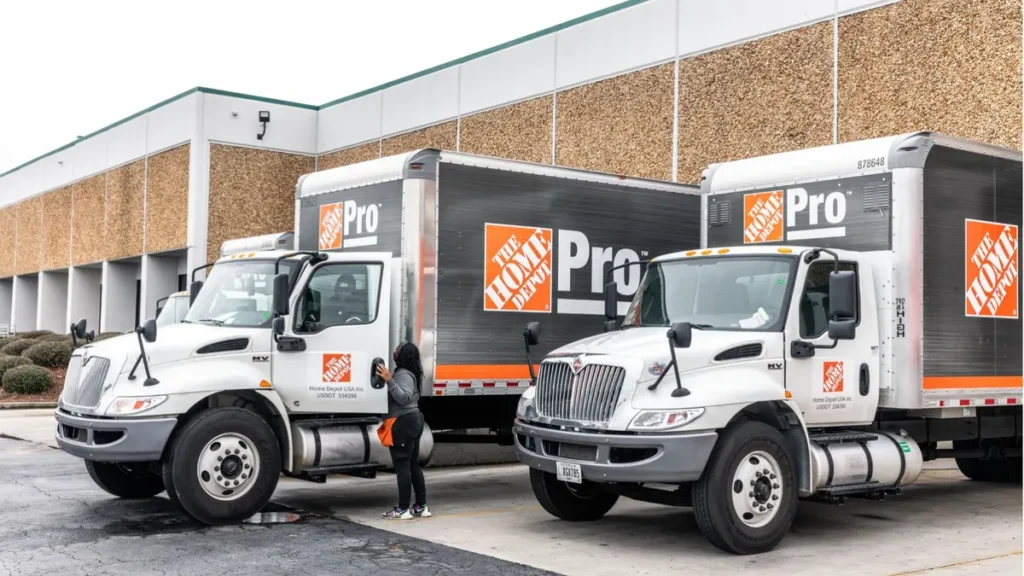
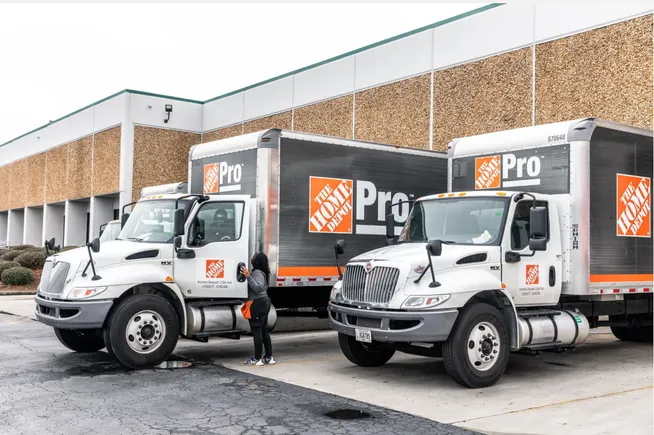
The data underscores a fundamental shift in the retail landscape: while the American homeowner remains hesitant to commit to major, high-cost renovations, they are increasingly active in smaller, incremental home improvements. As Home Depot navigates these waters, its leadership has identified a singular North Star for long-term growth: the professional contractor segment (the "Pro"). Through aggressive acquisitions and a modernized loyalty ecosystem, Home Depot is betting that the Pro customer will serve as the primary engine for future stability and expansion.
Chronology: The Road to Q2 2026
To understand Home Depot’s current trajectory, one must look back at the tactical decisions made over the last 18 months.
- Early 2025 – The Acquisition Spree: Recognizing that the DIY (Do-It-Yourself) market was cooling, Home Depot moved aggressively to capture the professional building supply chain. The high-profile acquisitions of SRS Distribution and GMS Inc. were designed to integrate professional-grade roofing, landscaping, and drywall supplies directly into the Home Depot ecosystem.
- Early 2026 – Loyalty Expansion: In the months leading up to Q2, the company realized that physical supply chain dominance was insufficient. In July 2026, Home Depot expanded its "Pro Xtra" loyalty program, integrating non-traditional partnerships with brands like 7-Eleven, Tecovas, and Rosie’s AI Answering Service. This move aimed to make Home Depot an essential partner in the daily operations of a contractor’s business, not just a place to buy lumber.
- August 18, 2026 – Q2 Earnings Release: Home Depot reported that, despite the broader housing market’s sluggishness, the company exceeded its own internal expectations, paving the way for a reaffirmed, optimistic full-year outlook.
Supporting Data: Dissecting the Consumer Divide
The current retail landscape is marked by a "tale of two projects." According to research from GlobalData, there is a stark contrast between the health of minor repairs and the stagnation of major home improvements.
The Small Project Surge
Consumers are currently favoring "low-friction" home improvements. GlobalData noted a 1.5% year-over-year increase in smaller project activity. This "step change" indicates that homeowners are still interested in maintaining their properties but are prioritizing tasks that can be completed within a weekend and on a modest budget. This shift has provided a necessary floor for Home Depot’s revenue, preventing the steep declines seen in previous fiscal periods.
The Large Project Stagnation
Conversely, larger, high-ticket projects—such as full-scale kitchen remodels or room additions—remained pressured in Q2, with activity levels down by over 2%. The hurdles here are structural. High interest rates have complicated financing for homeowners, and a lingering lack of "moving activity" (the traditional catalyst for major renovations) has left a significant void in the premium home improvement segment.
Financial Performance at a Glance
- Total Sales: $47.9 billion (+5.7% YoY).
- Comparable Sales: +1.7% overall; +1.3% within the U.S.
- Operating Income: $6.8 billion (+4.3% YoY).
- Net Income: $4.8 billion (+4.7% YoY).
- Full-Year Guidance: Total sales growth projected between 2.5% and 4.5%; comparable sales expected to be flat to +2%.
The "Pro" Strategy: Why the Professional Matters
For years, the DIY consumer was the heart of the home improvement narrative. However, Home Depot’s recent strategic pivot acknowledges that the professional contractor is a more stable, higher-volume, and more loyal customer base.
Vertical Integration
By acquiring firms like SRS Distribution and GMS Inc., Home Depot is effectively bypassing the limitations of its traditional retail footprint. These acquisitions allow the company to supply professional contractors with the exact products they need at job sites, rather than forcing the Pro to navigate the retail aisles of a standard Home Depot store. This "Pro-first" supply chain creates a level of stickiness that the average DIY shopper cannot match.

The Loyalty Ecosystem
The recent expansion of the Pro Xtra rewards program serves as a masterclass in modern B2B customer retention. By offering partner discounts on items outside of home improvement—such as convenience store snacks, high-end work boots (Tecovas), and automated administrative services (Rosie’s AI)—Home Depot is positioning itself as an essential business partner. The logic is simple: if Home Depot helps a contractor run their business more efficiently, that contractor will prioritize Home Depot for their material procurement.
Implications for the Future
The current state of the home improvement industry is a waiting game. While home sales saw a modest 2.2% increase in Q2, the housing market remains fragile.
The Path to 2027
Home Depot’s decision to reaffirm its full-year guidance suggests that management is confident in its ability to navigate the remainder of 2026 regardless of immediate macroeconomic relief. The plan to open 15 new stores this year signals a belief that physical presence remains a critical component of the omnichannel strategy.
Economic Headwinds vs. Strategic Execution
Neil Saunders, Managing Director at GlobalData, summarized the situation effectively: "After such a long period of languishing in the doldrums of low growth, this represents real progress in the trajectory of the business."

However, the company remains at the mercy of the broader economy. If mortgage rates remain elevated, the "big-ticket" projects will likely continue to face pressure. Home Depot’s success in the latter half of the year will depend on two factors:
- Retention of the Pro: Can the company continue to add value to the professional segment beyond just providing materials?
- Consumer Sentiment: Will the current uptick in smaller, discretionary projects provide enough momentum to offset the ongoing silence in the high-end renovation market?
Conclusion
Home Depot’s Q2 2026 performance serves as a testament to the power of strategic pivoting. By acknowledging the limits of the DIY market and aggressively doubling down on the professional segment, the retailer has managed to stabilize its business in a volatile economic climate. While the 1.7% growth rate is not a return to the explosive highs of the pandemic era, it is a significant improvement that suggests the company has successfully bottomed out and is beginning a slow, deliberate climb toward sustained, long-term growth.
For investors and industry observers alike, the lesson is clear: Home Depot is no longer just a hardware store; it is a vital partner in the professional construction economy. As long as the company can maintain this focus, it remains well-positioned to weather the ongoing uncertainty of the American housing market.