A home is far more than a mere structure of brick, mortar, or wood; it is the sanctuary where the rhythm of life unfolds. It is the backdrop for our most cherished memories, the staging ground for family rituals, and the restorative space where we retreat from the demands of the modern world. While media depictions of home improvement often focus on high-budget, cinematic renovations, the reality of creating a truly beautiful and comfortable living space lies in the nuance of thoughtful planning, strategic upgrades, and the disciplined application of design principles.
Achieving a harmonious living environment does not necessitate a complete overhaul of your property. Rather, it requires an analytical approach to how your space functions and how it makes you feel. By prioritizing functionality, optimizing light, and curating an atmosphere that reflects your personal identity, you can transform even the most modest residence into a refined and welcoming haven.
1. The Architectural Strategy: Planning for Impact
Before the first coat of paint is applied or a single piece of furniture is moved, a successful home improvement project must begin with a comprehensive diagnostic phase. This is not merely about aesthetics; it is about performance.
The Diagnostic Walkthrough
Begin by conducting a systematic audit of every room. Take a notebook and record the "friction points" of your daily life. Is there a lack of natural light in your home office? Does the flow of the living room feel congested? Are there hidden areas of wasted space? By identifying these structural and logistical pain points, you shift your focus from superficial decoration to meaningful improvement.
Budgetary Discipline and Prioritization
The primary pitfall in home improvement is the "scope creep"—the tendency for projects to expand beyond initial budgets. To mitigate this, categorize your needs into three tiers:
- Essential Repairs: Structural, plumbing, or electrical issues that impact safety and integrity.
- Functional Upgrades: Enhancements that improve the efficiency of a room, such as better storage or lighting.
- Aesthetic Enhancements: Cosmetic changes that improve the visual appeal.
By adhering to this hierarchy, you ensure that your capital is invested where it provides the highest return on your quality of life.
2. Atmospheric Engineering: Lighting and Color
Light and color are the silent architects of mood. Their manipulation can make a cramped room feel expansive or a cavernous space feel intimate.
The Power of the Palette
Walls serve as the canvas of your home. A fresh application of paint is arguably the most cost-effective way to redefine a room’s character. For smaller footprints, utilize light, neutral tones—creams, soft grays, or warm whites—to reflect natural light and create an illusion of depth. Conversely, if you desire a bold statement, consider an accent wall. However, balance is key; excessive pattern or saturation can lead to visual fatigue, making a room feel cluttered rather than curated.
Orchestrating Light
A sophisticated home utilizes "layered lighting." Relying on a single overhead source is a common design error. Instead, integrate:
- Ambient Lighting: General illumination that provides an even glow.
- Task Lighting: Focused beams for reading, cooking, or working.
- Accent Lighting: Decorative lamps or LED strips that highlight architectural features or artwork.
By controlling the intensity and color temperature of your light—warmer for rest, cooler for focus—you can calibrate your home to support your biological rhythm throughout the day.
3. Spatial Optimization and Furniture Logic
The relationship between furniture and floor space is governed by the principle of "flow." Even the most expensive furniture will appear chaotic if it fails to respect the proportions of the room.
The Rule of Proportion
When selecting furniture, consider the scale of the space. Oversized sectionals in a compact living area create a sense of claustrophobia. Conversely, undersized pieces in a large room can make the space feel transient and unfinished. Ensure there is clear, unobstructed passage between zones. If your current layout feels restricted, consider a "floating" furniture arrangement—pulling items away from the walls—which can often make a room feel more intentional and sophisticated.
Storage as a Design Element
Clutter is the primary adversary of comfort. A clean, organized home reduces cognitive load and fosters relaxation. Modern storage solutions should be integrated into the architecture of the room. Utilize vertical shelving to maximize floor space, and invest in multi-functional furniture, such as ottomans with internal storage or beds with built-in drawers. The goal is to ensure that everything has a "home," allowing your surfaces to remain clear and uncluttered.
4. The Functional Heart: Kitchen and Bathroom
The kitchen and bathroom are the high-traffic zones of the residence. These areas often sustain the most wear and tear, and therefore, they are the most critical for consistent maintenance.
Kitchen Efficiency
You do not need to replace your cabinetry to transform your kitchen. Simple, high-impact upgrades—such as replacing outdated hardware, installing professional-grade drawer organizers, or introducing open shelving to display frequently used, aesthetic kitchenware—can modernize the room. Keep the "work triangle" (the path between the stove, sink, and refrigerator) clear to ensure maximum efficiency during meal preparation.
Bathroom Restoration
The bathroom should be treated as a private spa. Beyond simple cleaning, focus on replacing worn fixtures, upgrading the vanity mirror, or improving ventilation to prevent mold. Small details, such as installing a heated towel rack or upgrading to high-quality faucets, provide a sense of luxury that elevates the entire home’s perceived value.
5. Integrating Nature and Personal Narrative
A house becomes a home only when it reflects the specific, lived experience of its occupants.
Biophilic Design
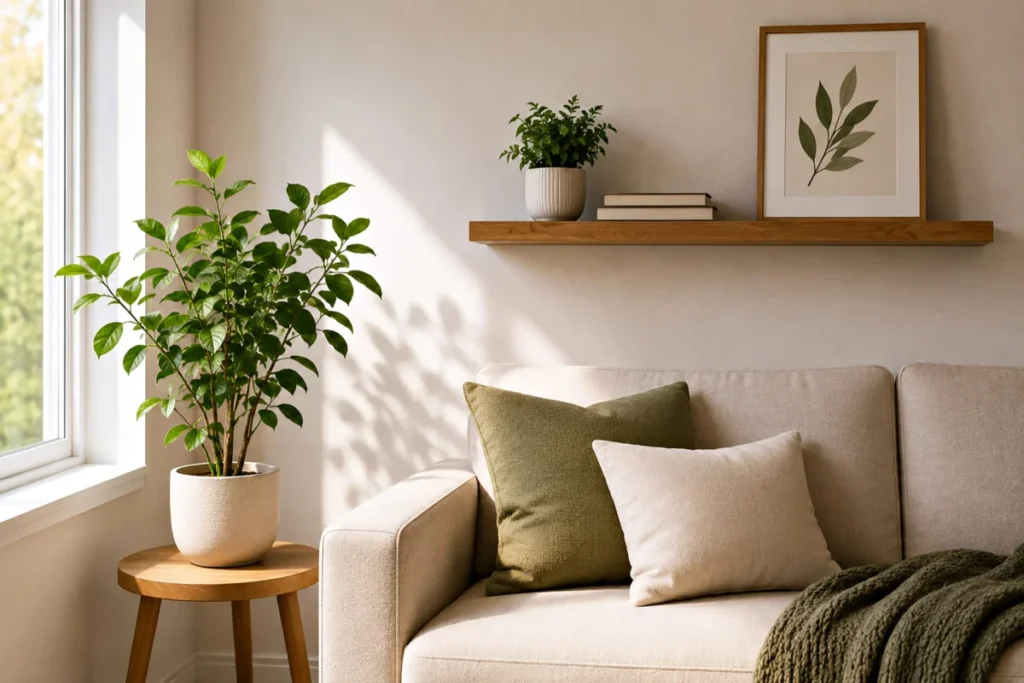
The inclusion of indoor plants does more than improve air quality; it reconnects the interior environment with the natural world. From sculptural snake plants in corners to cascading pothos on bookshelves, greenery adds organic texture and color that synthetic decor cannot replicate. Choose flora that matches the specific light conditions of your home to ensure longevity.
Personalization vs. Minimalism
While the modern trend toward minimalism has its merits, a home devoid of personal history can feel sterile. The key is "curated personalization." Display family photographs, heirlooms, or artwork that carries emotional significance. The trick is to rotate these items periodically, ensuring that your space remains a living gallery of your journey rather than a static warehouse of belongings.
6. Future-Proofing: Energy Efficiency and Maintenance
In the current economic climate, energy efficiency is a non-negotiable component of smart home management.
The Sustainability Mandate
Upgrading to LED lighting, sealing window drafts with weather stripping, and improving attic insulation are "invisible" improvements that yield massive returns. Beyond the reduction in monthly utility costs, these measures extend the lifespan of your HVAC systems and improve the overall thermal comfort of the home.
The Maintenance Schedule
A well-maintained home is a protected asset. Establish a seasonal checklist:
- Spring: Clean gutters, check exterior masonry, and service the air conditioning unit.
- Summer: Inspect roofing for storm damage and check plumbing for leaks.
- Autumn: Seal windows, service the furnace, and clear dryer vents.
- Winter: Monitor humidity levels and inspect indoor plumbing for cold-weather issues.
By addressing these items proactively, you avoid the compounding costs of neglect and ensure that your home remains a safe, efficient, and comfortable environment for the long term.
Implications: The Long-Term Value
When you invest in these improvements, you are not just purchasing new goods or services; you are investing in a lifestyle. A home that is organized, well-lit, and reflects your personality creates a positive feedback loop: a beautiful environment fosters a more peaceful mind, which in turn leads to better productivity, improved relationships, and increased overall well-being.
Ultimately, the most successful homes are those that balance current trends with timeless principles. By focusing on quality over quantity and functionality over flashiness, you build a residence that does not just look good on social media, but feels inherently "right" to live in. Whether you are tackling a weekend DIY project or planning a long-term renovation, remember that the goal is always the same: to curate a space that honors your life and provides a sturdy, beautiful foundation for the future.