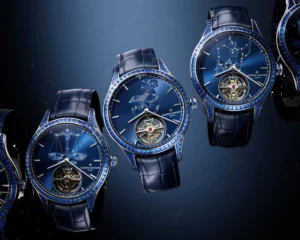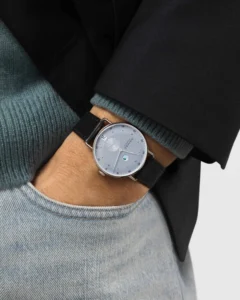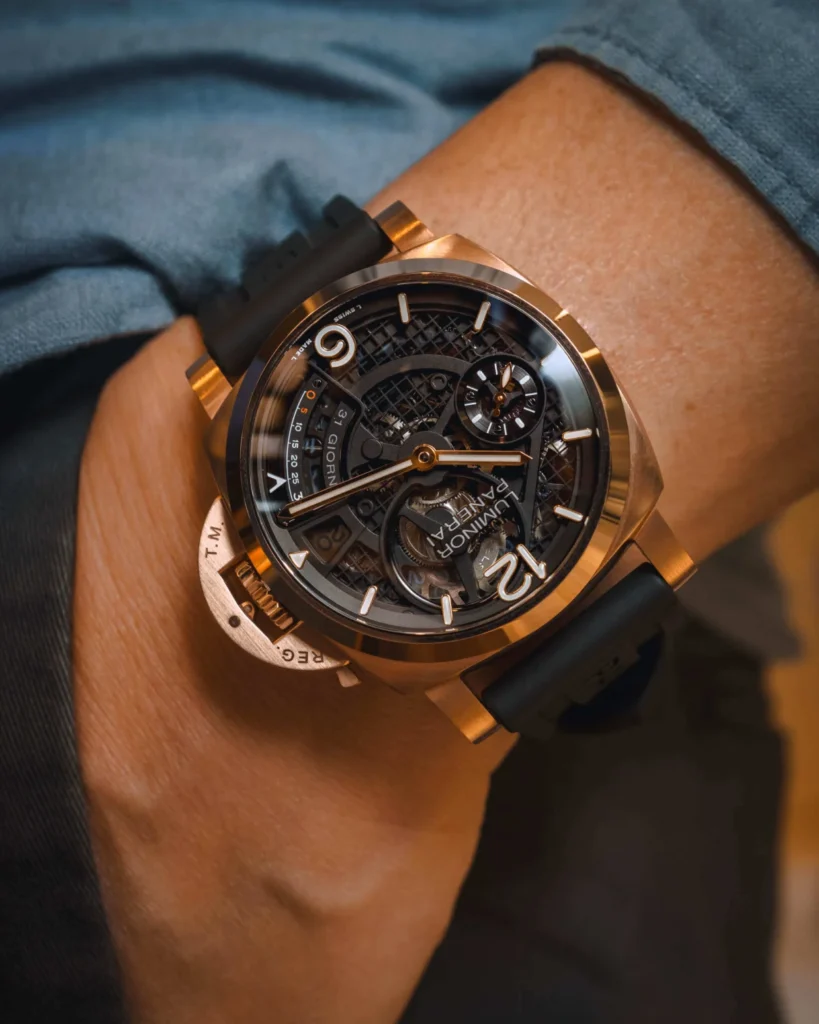
In the two decades spent chronicling the evolution of wristwatch collector culture, one observation has remained consistent: no technical specification, material choice, or price point elicits as much visceral reaction as the diameter of a watch case. While the horological community often prides itself on the objective pursuit of engineering excellence and historical preservation, the subject of size reveals a deeply human, often irrational, layer of aesthetic preference and status anxiety.
The debate over watch dimensions is rarely about anatomy. While a size 10 shoe either fits or it doesn’t, a wristwatch sits in a nebulous space where a single wearer can comfortably sport a 38mm vintage-style dress watch on Monday and a 44mm titanium diver on Friday. The discourse is not merely about how a watch sits on the wrist, but what that size represents in the broader cultural zeitgeist.
The Illusion of the "Perfect" Dimension
The most pervasive myth in the watch world is the existence of a "perfect" case size. Enthusiasts often get bogged down in a rigid search for their "sweet spot"—a mathematical threshold that they believe guarantees stylistic success. However, professional watchmakers and seasoned designers understand that size is subordinate to proportion.

A watch design is a three-dimensional composition. A 38mm wide diameter might be the aesthetic pinnacle for a slim, minimalist time-only piece, while a 44mm footprint might be essential to achieve the proper ergonomic balance and visual weight for a complex, robust tool watch. The "perfect" size is a fallacy; the true metric for success is whether the case design, lug-to-lug distance, and thickness harmonize to create a wearable object. When a watch is well-proportioned, the numerical diameter becomes secondary to the overall silhouette.
Chronology: A History of Scaling
To understand why we obsess over these millimeters, we must look at how the role of the watch has shifted over the last century.
The Era of Miniaturization (1920s–1960s)
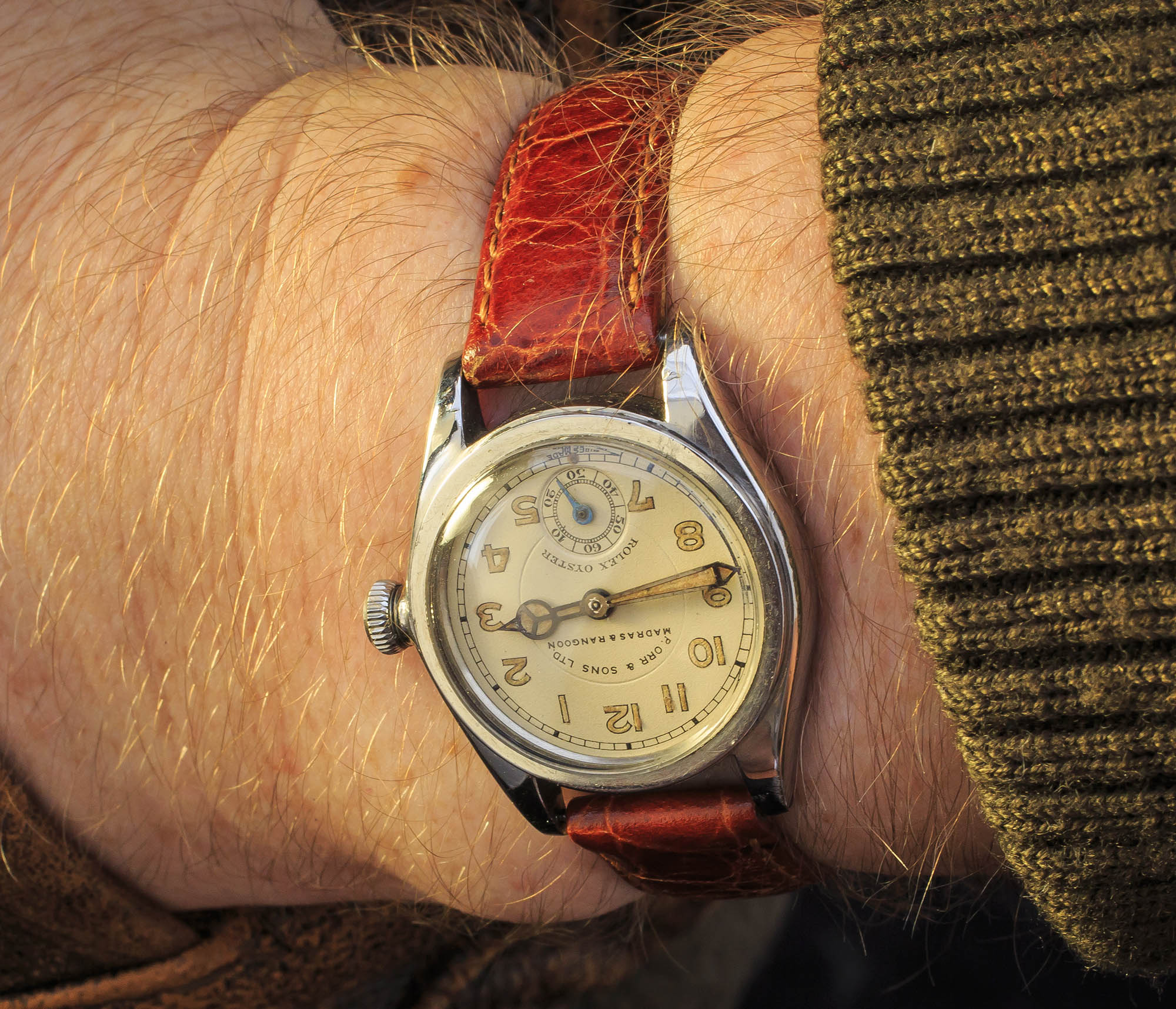
In the early 20th century, the wristwatch fought for legitimacy against the pocket watch. Manufacturers were forced to innovate, focusing on extreme miniaturization to convince a skeptical public that a small device on the wrist could be as accurate and prestigious as a pocket-carried heirloom. During this era, watches were small, discreet, and refined. The objective was to minimize the profile of the device so it would not interfere with the wearer’s daily movements.
The Quartz Revolution and the 1970s Shift
The 1970s marked the first major divergence from traditional sizing. As the industry experimented with bold, avant-garde sport watch designs, larger cases began to emerge. However, even throughout the 1980s, the "large" watches of that era were often 40mm or smaller by today’s standards.
The Big Watch Boom (2000s–2015)
The most significant shift in modern horology began in the late 1990s and accelerated through the 2000s. With the advent of mobile phones, the watch ceased to be a "necessary" tool for telling time. It transitioned into a conscious accessory—a statement piece. Because a watch was now a marker of status, success, and personality, larger sizes became the industry standard. A 45mm watch was a "high-visibility" status symbol. It was a period where "bigger was better," and anything under 40mm was frequently dismissed by the mainstream market as "too small" or "dated."
The Return to Subtlety (2016–Present)
We are currently living through a corrective period. As fashion cycles naturally do, the pendulum has swung back toward moderation. Contemporary collectors, weary of the impracticality and "conspicuous consumption" aesthetic of massive cases, have embraced smaller, more understated timepieces. This trend has been bolstered by a renewed interest in vintage-inspired aesthetics, where 36mm to 39mm has become the new gold standard for elegance.

Supporting Data: The Psychology of the Wrist
The shift toward smaller cases is not purely aesthetic; it is rooted in a change in social values. Large watches are inherently "loud." In an era of economic caution, many collectors have pivoted toward "quiet luxury." A smaller watch signals a more refined, perhaps more knowledgeable, approach to collecting.
Furthermore, the mechanical argument for size has largely vanished. For years, brands justified large cases as necessary to house complex, multi-part complications. However, modern high-end watchmaking has proven that extreme complexity can be condensed into smaller, thinner movements. When the technical justification for a large case is removed, the consumer is left with only the design—and many have concluded that a 40mm case is simply more comfortable for long-term daily wear than a 45mm lug-heavy piece.
Official Industry Perspective: Design-First Philosophy
For watch brands and independent designers, the question of "what size should we make this?" is a constant pressure. However, the most successful design houses are moving away from size-first planning.
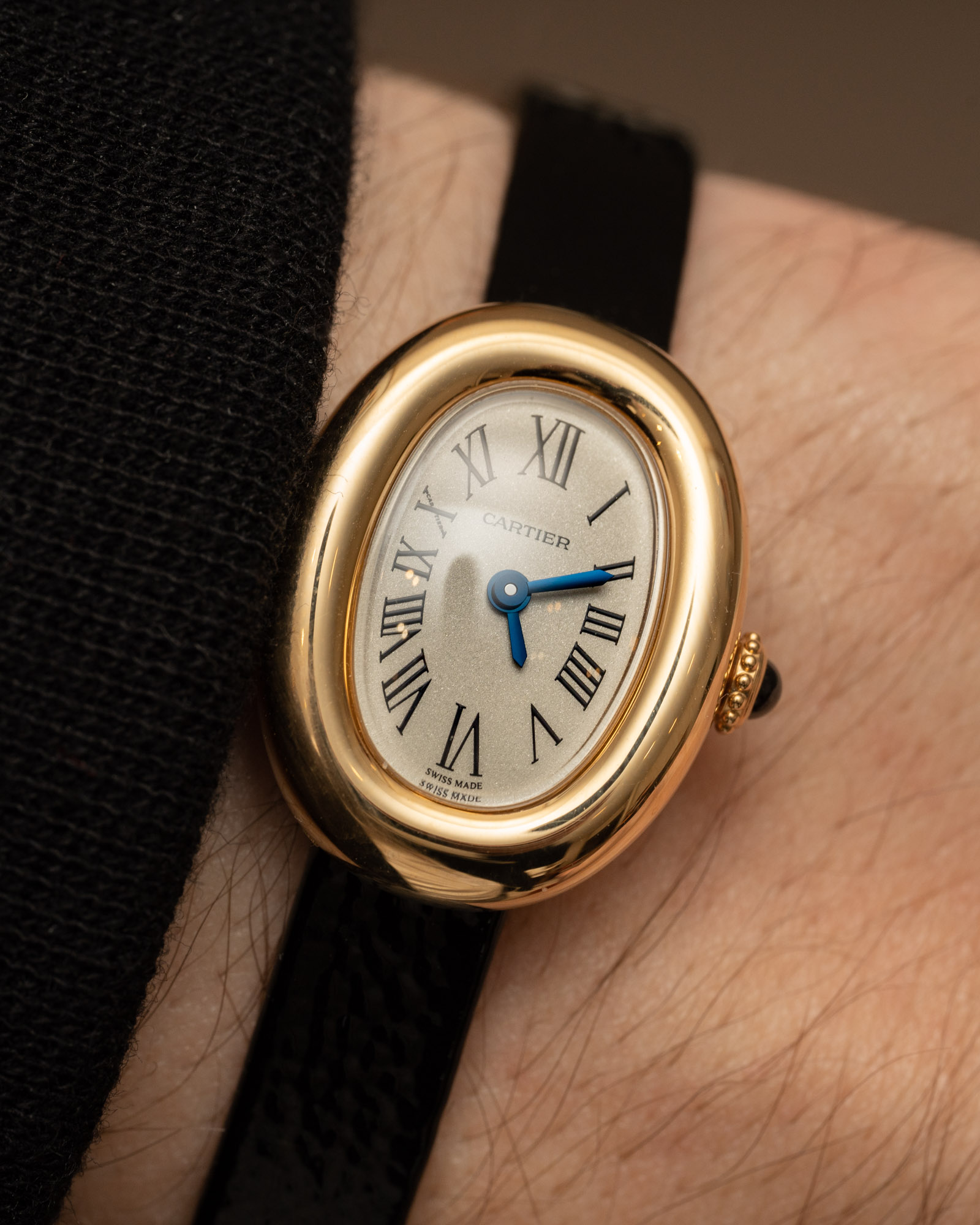
"Do not start with a target size," is the common refrain among master watchmakers. Instead, designers are increasingly encouraged to sketch a concept, refine the proportions until they are aesthetically balanced, and only then determine the dimensions that suit the design. By forcing a design to fit a specific size (e.g., "we must make this a 42mm watch"), brands often sacrifice the very ergonomic grace that makes a watch desirable. The most iconic watches in history—from the Cartier Tank to the Rolex Submariner—were not designed to meet a specific, trendy diameter; they were designed for a purpose, and their sizes were the logical conclusion of that purpose.
Implications for the Future
What does this mean for the future of the collector market? We are likely to see a period of stabilization, followed by the inevitable cycle of experimentation. While the current market favors the 38mm–42mm range, the desire for novelty ensures that we will see new, daring oversized designs again in the coming decade.
The most important takeaway for the modern collector is the liberation from "size-shaming." There is no objective reason to avoid a watch because it is "too big" or "too small" according to internet forum consensus. The only metrics that matter are:
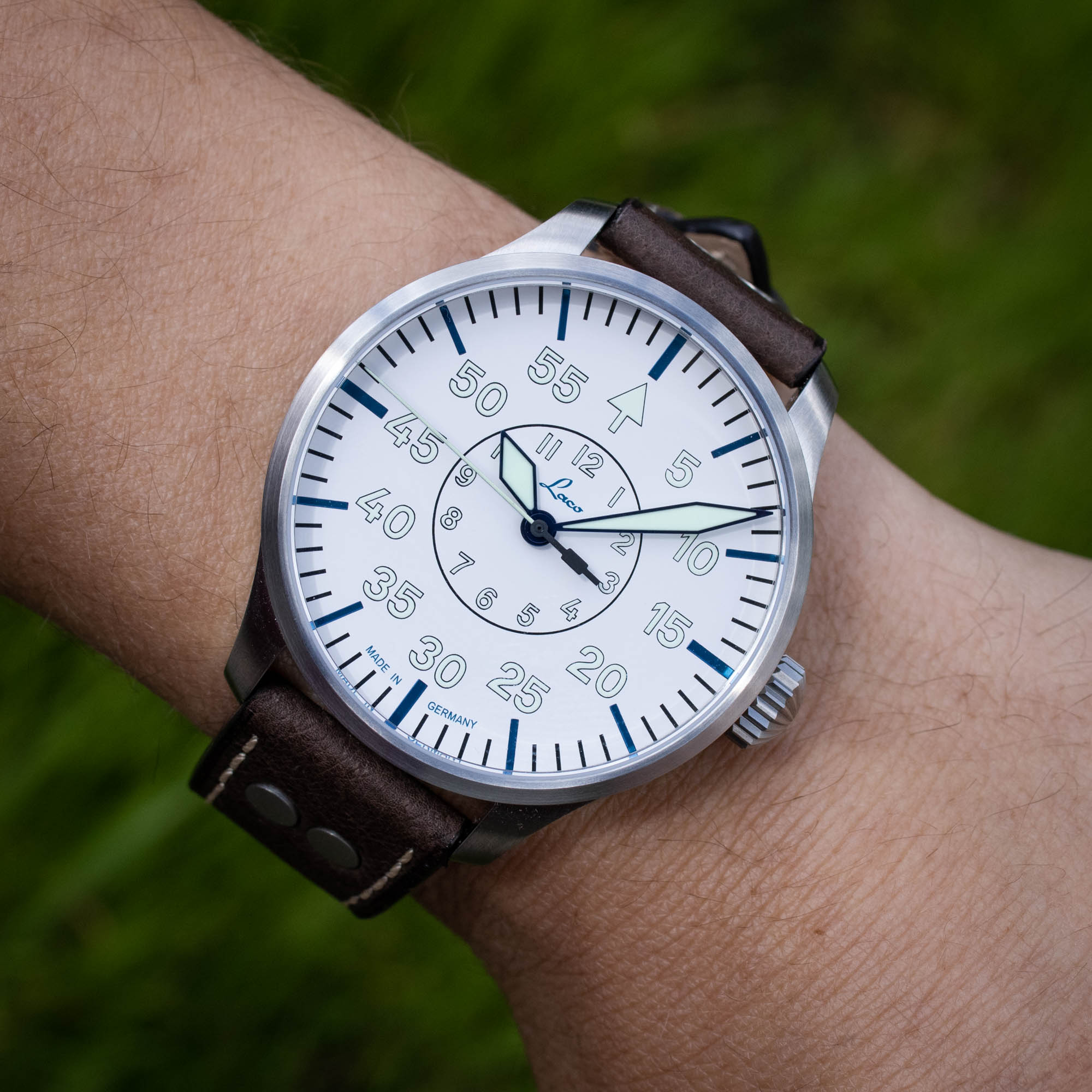
- Does the design please your eye?
- Does the watch sit securely on your wrist without the lugs overhanging?
- Does it provide the comfort you require for your lifestyle?
If a watch passes these three tests, the numerical diameter is irrelevant. The future of the industry belongs to brands that stop chasing the "ideal" size and start focusing on the "ideal" proportion. For the collector, the wisest path is to curate a diverse collection that ignores the artificial boundaries of millimeters and embraces the artistic variety that horology has to offer.
The "perfect watch size" is a myth that has kept the industry in a state of productive tension for decades. By letting go of this obsession, collectors can focus on the real joy of the hobby: the appreciation of mechanical art, regardless of its footprint on the wrist.