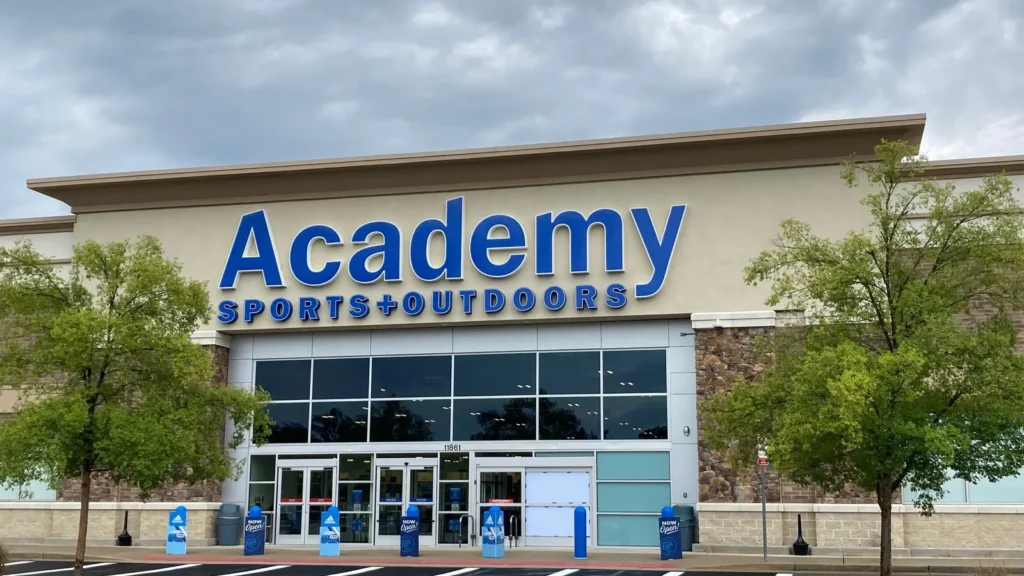
In a move signaling a significant shift in the sporting goods landscape, Academy Sports + Outdoors has officially announced a strategic partnership with Instacart, bringing its extensive inventory of athletic equipment, outdoor gear, and lifestyle products to the digital delivery platform. This integration covers more than 300 storefronts across 21 states, marking a pivotal moment in the retailer’s ongoing efforts to harmonize its physical footprint with the burgeoning demands of the modern, on-demand consumer.
By embedding its retail operations into the Instacart marketplace, Academy is not only digitizing its inventory but also committing to price parity—ensuring that customers encounter the same price points on the app as they would when walking through the doors of a local Academy location. This development follows a period of aggressive digital and physical expansion for the Texas-based retailer, which has been steadily fortifying its market position through a series of high-profile partnerships and a robust long-term store growth plan.
The Strategic Shift: Main Facts of the Integration
The core of this partnership lies in accessibility. For the average consumer, the integration means that high-demand sporting goods—ranging from camping equipment and fishing gear to team sports apparel and fitness machinery—can now be delivered to their doorstep in as little as an hour.
This partnership is not an isolated event but a critical pillar of Academy’s broader "omnichannel" strategy. As brick-and-mortar retailers face intensifying pressure to compete with pure-play e-commerce giants, the ability to leverage existing store inventory for local, on-demand fulfillment has become a competitive necessity. By utilizing the 300+ stores already in its network, Academy can optimize its supply chain, reducing the distance between the product and the consumer, which effectively lowers the cost and carbon footprint of final-mile delivery.
Chronology: A Roadmap of Expansion
Academy Sports + Outdoors has been on an aggressive growth trajectory over the past several months, carefully timing its digital pivots to coincide with strong financial performance.
- April 2024: During a fiscal briefing, CEO Steve Lawrence outlined an ambitious physical expansion strategy, announcing plans to open 125 new stores over the next five years. This plan focuses heavily on strengthening the company’s presence in legacy markets while cautiously entering new territories.
- June 2024: The retailer officially launched a partnership with Uber Eats. This move allowed Academy to reach customers in the South, Midwest, and Southeast, providing a template for how the company would handle on-demand delivery logistics.
- Late 2024: The partnership with Instacart was finalized and launched, expanding the reach of Academy’s digital storefront significantly. This move aligns with broader industry trends where delivery platforms are diversifying their offerings beyond groceries into specialty retail categories.
- Current Status: With both Uber Eats and Instacart now in the fold, Academy is positioning itself as a leader in the "convenience-first" athletic retail space, effectively meeting customers on the apps they use daily for groceries and household essentials.
Supporting Data: Financial Health and Growth Metrics
The impetus for these aggressive partnerships is rooted in a strong fiscal foundation. Academy’s Q1 earnings report for the current fiscal year provides a clear picture of a company with the capital and confidence to invest in infrastructure.
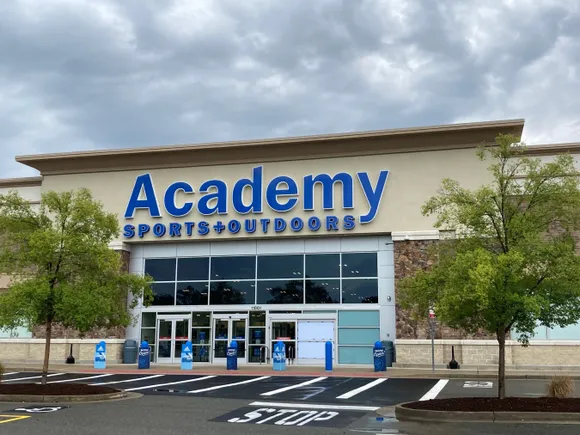
The retailer reported a 6.7% increase in net sales, totaling $1.4 billion. Perhaps more importantly, comparable sales—a key metric in retail that tracks the performance of established stores—saw a 2.9% year-over-year increase. Net income also surged by 14.3% to $52.7 million. These figures suggest that while the broader retail sector faces macroeconomic headwinds, Academy’s specific niche—value-oriented sporting goods—continues to resonate with a broad consumer base.
The decision to pair this growth with an expanded digital presence is a calculated hedge against future market volatility. By increasing the frequency of customer touchpoints through delivery apps, Academy aims to sustain its growth momentum even as the post-pandemic retail environment stabilizes.
Official Responses: Aligning with the Consumer
The rhetoric surrounding the Instacart partnership emphasizes a seamless customer experience. Chad Fox, Chief Customer Officer at Academy Sports + Outdoors, highlighted the necessity of meeting consumers where they are.
"We’re committed to serving our customers wherever and however they choose to shop, delivering a seamless experience across every channel as we continue to expand our omnichannel presence," Fox stated. He further emphasized the importance of the company’s pricing strategy, noting that the partnership with Instacart offers a convenient way for consumers to shop Academy’s broad assortment at the same prices found in stores.
This statement is particularly significant given the history of third-party delivery pricing. Instacart, which previously faced intense scrutiny for allowing retailers to use "price testing" models—where online prices were inflated compared to in-store prices—has since pivoted. Following investigations by Consumer Reports and pressure from consumer advocacy groups like the Groundwork Collaborative, Instacart ended its controversial price-testing program. Academy’s commitment to consistent pricing acts as a consumer-friendly standard that bolsters brand trust in an era where "hidden fees" and "algorithmic price gouging" are frequent complaints among digital shoppers.
Implications: The Future of Sporting Goods Retail
The implications of Academy’s recent maneuvers extend well beyond the company itself. The sporting goods sector is experiencing a "platformization" of retail. When a company like Tractor Supply also joins forces with Instacart, it signals that the delivery platform is effectively becoming a "super-app" for non-grocery essentials.

1. The Death of the "Pure-Play" Retailer
The traditional model of a store that only serves walk-in customers is rapidly becoming a relic. Retailers are now expected to be part of a broader ecosystem. For Academy, this means the store is no longer just a destination; it is a warehouse, a distribution center, and a brand experience hub.
2. The Final-Mile Efficiency
By utilizing the existing footprint of 300+ stores, Academy is effectively circumventing the need for massive, centralized distribution centers for every online order. This "final-mile" efficiency is critical. As delivery expectations move from "two-day shipping" to "same-day delivery," retailers that lack a dense physical footprint will find themselves at a severe disadvantage.
3. Price Parity as a Competitive Moat
In a high-inflation environment, price sensitivity is at an all-time high. By publicly committing to in-store pricing on the Instacart platform, Academy is differentiating itself from competitors who might pass the costs of third-party delivery commissions onto the consumer. This creates a "competitive moat," attracting price-conscious shoppers who want the convenience of delivery without the "convenience tax" often associated with platforms like Instacart or Uber Eats.
4. Strategic Store Openings
The plan to open 125 stores over five years remains the anchor of the strategy. Academy is not abandoning physical retail; it is doubling down on it. The strategy involves a 4:1 ratio of legacy markets to new markets. This allows the company to deepen its presence in regions where brand loyalty is already high, maximizing the efficiency of regional advertising and logistics, while simultaneously testing its model in untapped areas.
Conclusion
Academy Sports + Outdoors is successfully threading the needle between physical expansion and digital innovation. By integrating with established delivery giants like Instacart and Uber Eats, the company is positioning itself to capture the next generation of consumers who prioritize convenience above all else.
With strong quarterly financials providing the necessary tailwind, the company’s dual approach—opening new physical locations while simultaneously turning existing ones into micro-fulfillment centers—represents a blueprint for success in the modern retail era. As the company continues to execute its five-year plan, the focus will remain on whether it can maintain its value proposition while navigating the complexities of third-party delivery logistics. For now, the strategy appears to be a winning one, setting the pace for how traditional sporting goods retailers must evolve to survive and thrive in a digital-first marketplace.