For centuries, the exquisite beauty of spinel has been overshadowed by its more famous gemstone cousins, particularly corundum. Historically, red spinels were frequently mistaken for rubies, leading to a long period where this remarkable gem was undervalued and misunderstood. However, thanks to advancements in gemological identification and a growing appreciation for its inherent qualities, spinel is now rightfully claiming its place in the pantheon of fine gemstones, gracing high jewelry collections with its vibrant colors, impressive durability, and captivating brilliance.
This article delves into the fascinating world of spinel, exploring its geological origins, unique properties, diverse color palette, and historical journey from overlooked mineral to coveted gem. Gem-A tutor Pat Daly provides expert insights into what makes spinel such a compelling choice for both collectors and jewelry designers alike.
The Underrated Allure: Unveiling the Essence of Spinel
For those venturing into the intricate realm of gemology, the name "spinel" might initially evoke a sense of mystery. This is largely due to its historical association with corundum, especially in its striking red hues. This confusion, while adding to its intrigue, also meant that spinel’s unique identity was long obscured. Today, however, gemologists and jewelry enthusiasts recognize spinel as a significant and independently valuable gemstone, deserving of its own spotlight.
At its core, spinel is a mineral belonging to a group that shares common chemical and crystalline structural features. Chemically, spinels are oxides, primarily composed of magnesium, aluminum, and oxygen. Their crystalline structure belongs to the cubic system, a fundamental characteristic that influences their gemological properties.
The Chemical Tapestry of Spinel
The vast majority of gem-quality spinel is a magnesium-aluminum oxide. Its mesmerizing array of colors is predominantly derived from trace amounts of various elements. Chromium imparts vibrant reds and pinks, iron contributes to blues and grays, and cobalt is responsible for some of the most intense blue hues. Less common but equally fascinating is gahnite, a zinc-aluminum oxide variety of spinel, which can range in color from green and yellow to brown and black. While rarely of gem quality, gahnite is a prized collector’s stone.
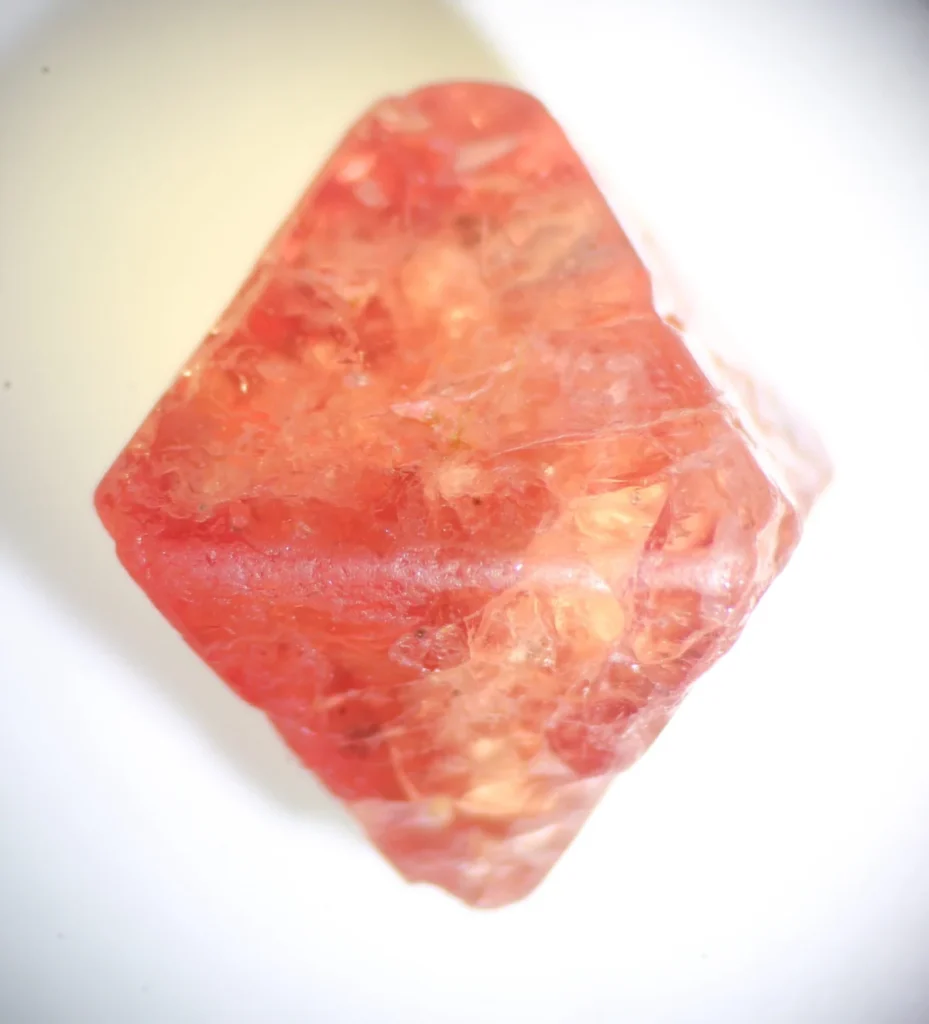
The typical crystal form of spinel is the octahedron, a geometric shape with eight faces. These crystals can sometimes exhibit modified faces along their edges. Twinning, a phenomenon where two or more crystals grow together in a symmetrical manner, is also common in spinel. A particularly notable type of twinning results in six-pointed star-shaped crystals, adding another layer of natural artistry to this gem. These twin planes can sometimes be observed within faceted spinels, offering a subtle glimpse into their geological history.
Properties That Define Excellence: What Sets Spinel Apart
Spinel boasts a remarkable combination of properties that make it an exceptionally desirable gemstone for fine jewelry. Its durability is a significant advantage, with a hardness of 8 on the Mohs scale, placing it just below corundum (sapphire and ruby) and diamond. Crucially, the absence of cleavage planes—inherent weaknesses along which a gemstone can fracture—contributes to its exceptional toughness. This means spinel is remarkably resistant to chipping and breaking, making it ideal for everyday wear.
Beyond its physical resilience, spinel is also chemically inert, demonstrating resistance to strong acids and other harsh chemicals. Furthermore, its colors are remarkably stable and do not fade over time, ensuring that a spinel piece will retain its vibrancy for generations.
Optical Brilliance and Identification
Spinel is an isotropic gemstone, meaning light travels through it at the same speed in all directions. This results in a single refractive index (RI) of approximately 1.717. However, this value can slightly increase to around 1.740 in chromium-rich red spinels and blue spinels containing zinc (known as gahnospinals). These specific optical properties are crucial for gemologists, allowing them to differentiate spinel from corundum, the species it has historically been confused with.
The distinct spectral signatures of red and blue spinels further aid in their identification. These spectra, which reveal the wavelengths of light absorbed by the gem, are invaluable not only for identifying the gem variety but also for distinguishing natural spinels from their synthetic counterparts.
A World of Origin: Where Spinel is Found
The geological journey of gem-quality spinel is deeply intertwined with the dramatic processes of continental collisions and the formation of metamorphic rocks. The most significant sources of spinel are found in marbles that have undergone high-temperature metamorphism. Prime locations include East Africa, Sri Lanka, and the Himalayan region, encompassing areas like Burma (Myanmar) and Vietnam.
These marbles originated as limestone, primarily composed of calcium carbonate. During the geological processes that formed these marbles, magnesium often replaced some of the calcium in the original limestone. Simultaneously, clay minerals present in the ancient sediments provided the essential aluminum. The presence of both magnesium and aluminum in these metamorphosed rocks is fundamental for the growth of spinel crystals.
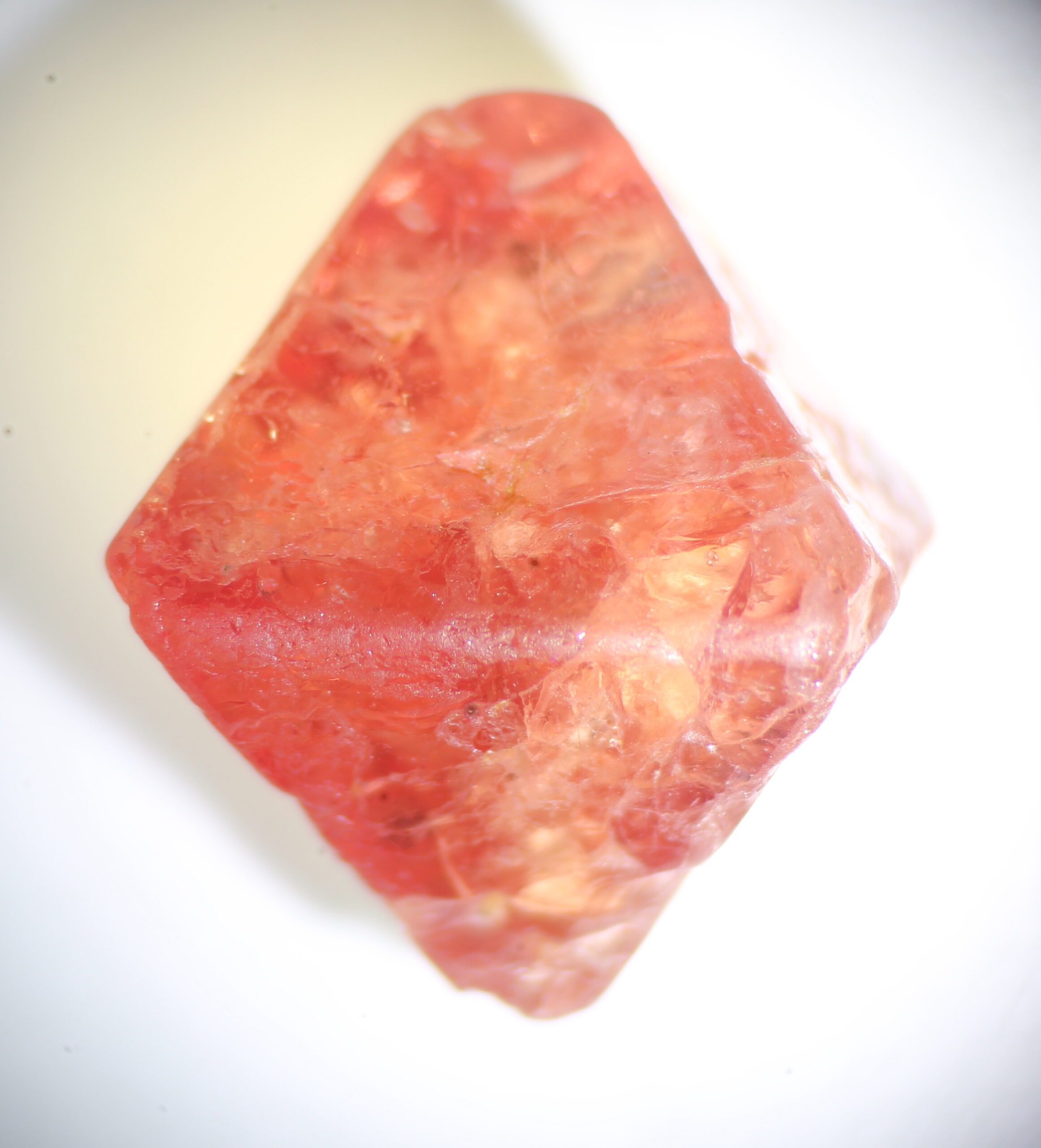
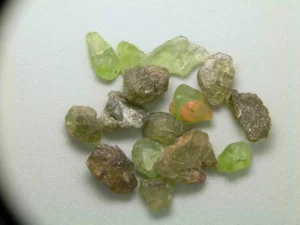
The discovery of gem-quality spinels often occurs within these marble deposits or, following weathering and erosion, in alluvial deposits where the host rocks have broken down. Spinels are frequently found in association with other magnesium and aluminum-rich minerals, such as olivine (which can be gem-quality peridot), diopside, and corundum. This geological association provides further clues to their formation environment.
The Intricate World of Inclusions
Inclusions within gemstones are not merely imperfections; they are tiny windows into the gem’s geological history and formation. In spinel, common inclusions include minerals that were present in its growth environment. These can include hexagonal to rounded apatite crystals, graphite, and dolomite (a calcium magnesium carbonate).
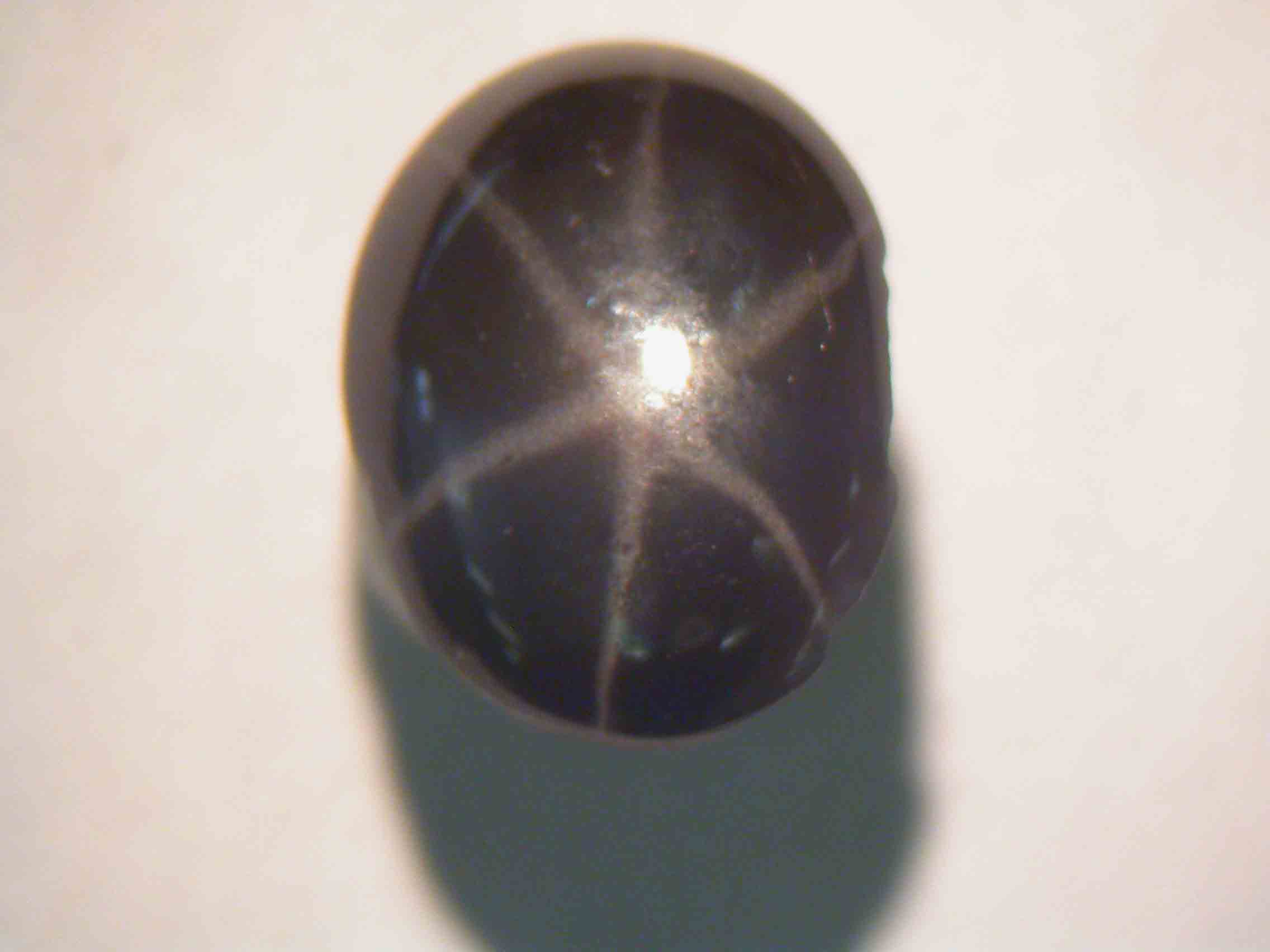
Needle-like or platy crystals, such as rutile, can sometimes cause optical phenomena like four- or six-rayed asterism (star effects) or, more rarely, chatoyancy (cat’s eye effect). Another fascinating inclusion type is the zircon halo. These consist of crystals, often zircon, surrounded by radiating short fractures. In spinel, these fractures are typically associated with uraninite, a uranium oxide.
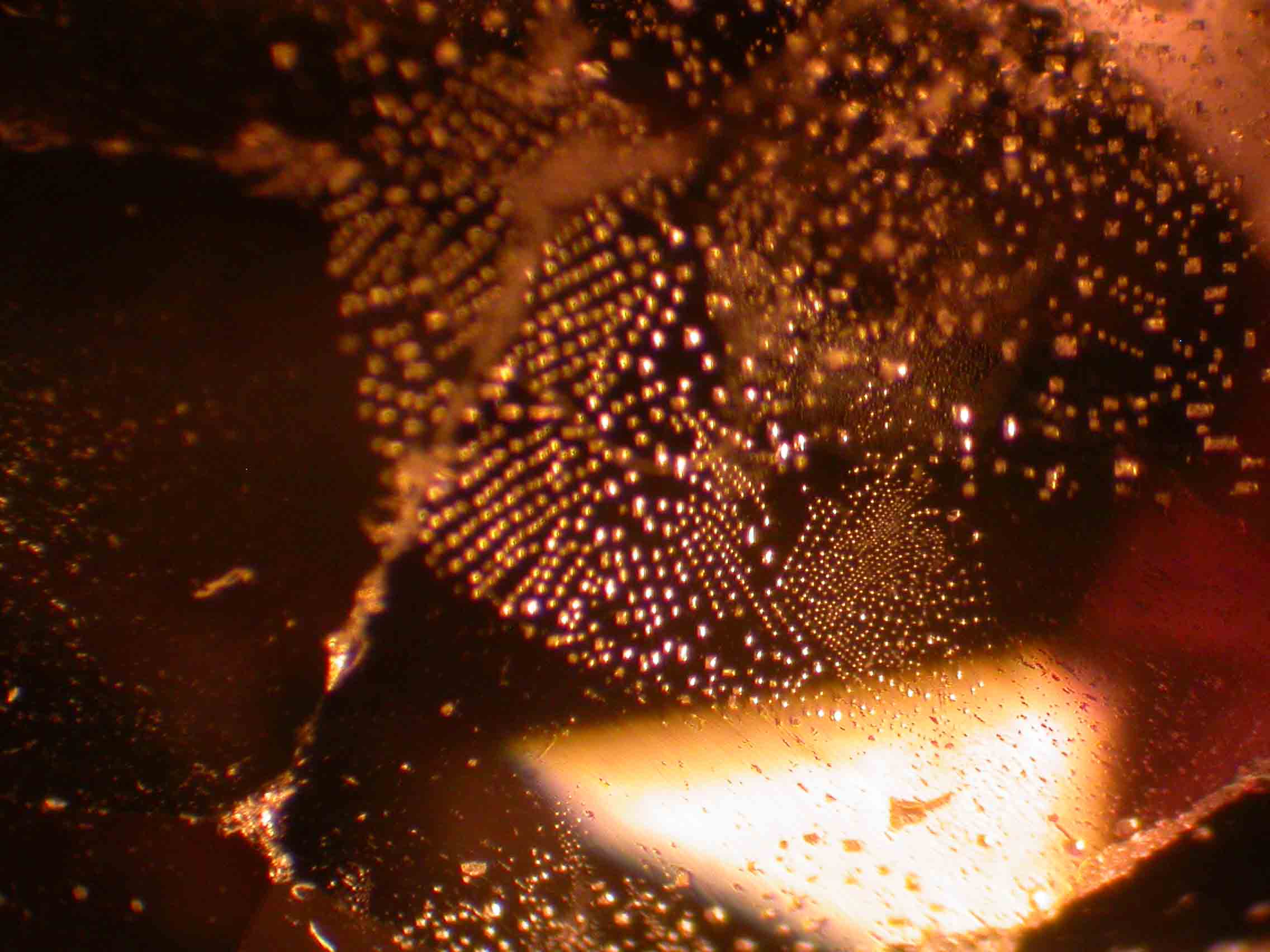
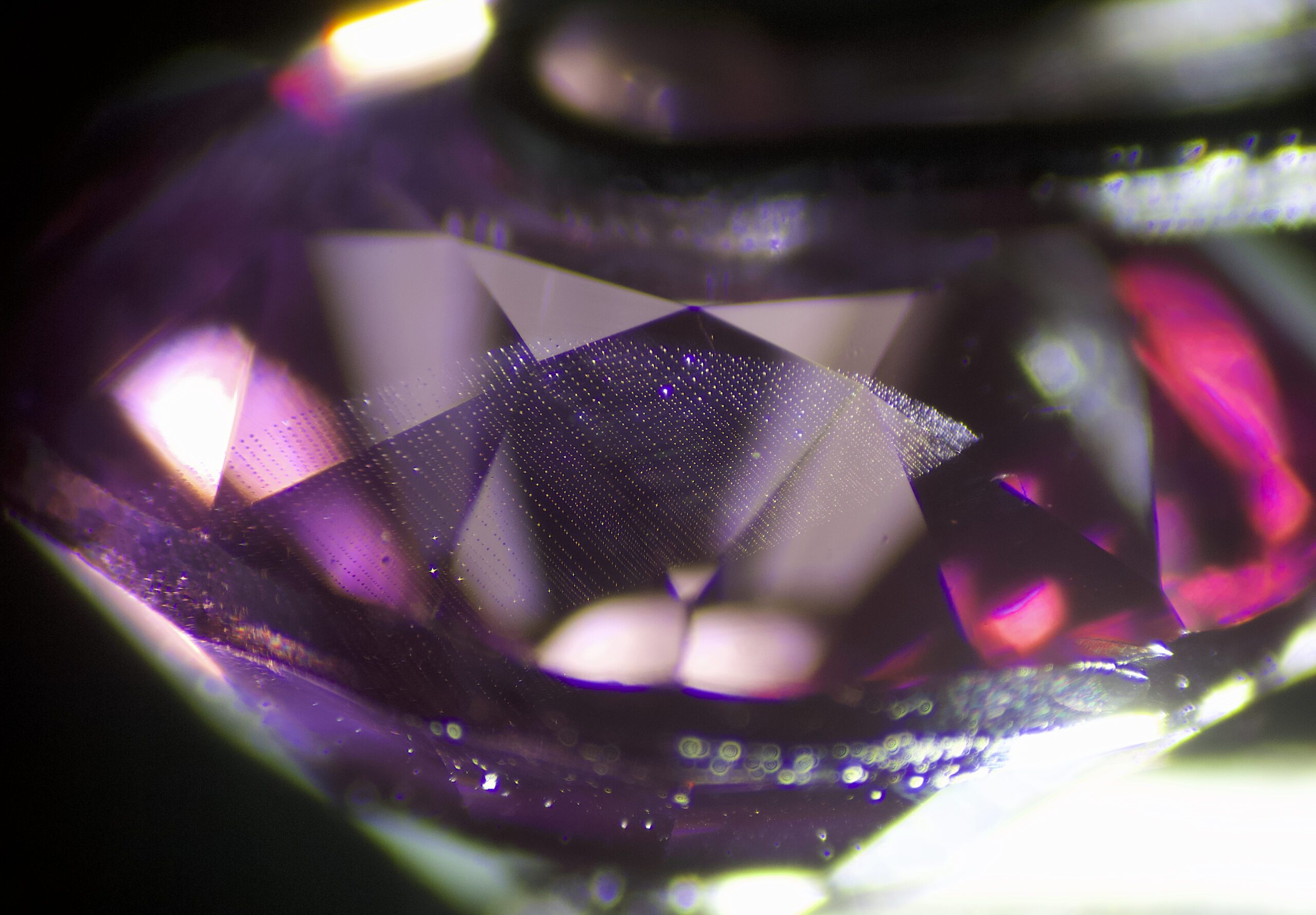
While some crystal inclusions in spinel may resemble those found in corundum, feather-like inclusions, so characteristic of corundum, are relatively uncommon in spinel. Feathers in gemstones are generally believed to originate as fractures that are partially healed before the crystal’s growth is complete. In spinel, these healed fractures often appear as lines of numerous octahedral inclusions, creating a distinctive and orderly pattern.
A Spectrum of Splendor: The Diverse Colors of Spinel
Spinel’s allure lies not only in its durability and brilliance but also in its remarkable range of captivating colors, often rivaling those of corundum, which is renowned for its vivid reds, pinks, and blues.
Fiery Reds and Delicate Pinks
The coveted red and pink hues of spinel are primarily due to the presence of chromium. Similar to rubies and pink sapphires, the most desirable colors occur when iron content is minimal, allowing the chromium’s influence to dominate. Exceptionally bright red spinels have even earned the nickname "Jedi spinels" due to their rarity, as many other red spinels tend to be slightly darker.
A fascinating characteristic shared with some rubies is fluorescence. Chromium in spinel activates fluorescence, causing red and pink varieties to emit a bright red glow under long-wave ultraviolet light. This phenomenon can even enhance the stone’s apparent color in daylight, as emitted red light adds to its body color, creating an almost supercharged vibrancy.
Enchanting Blues and Other Hues
The captivating blue shades of spinel are typically a result of iron and cobalt. Historically, many spinels mined were colored primarily by iron, resulting in more subdued tones that garnered less attention from the jewelry trade. However, in recent decades, significant finds have yielded spinels colored predominantly by cobalt. These stones exhibit intense, brilliant blues that stand favorably against even the finest sapphires.
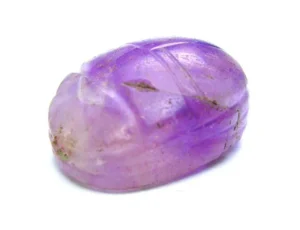
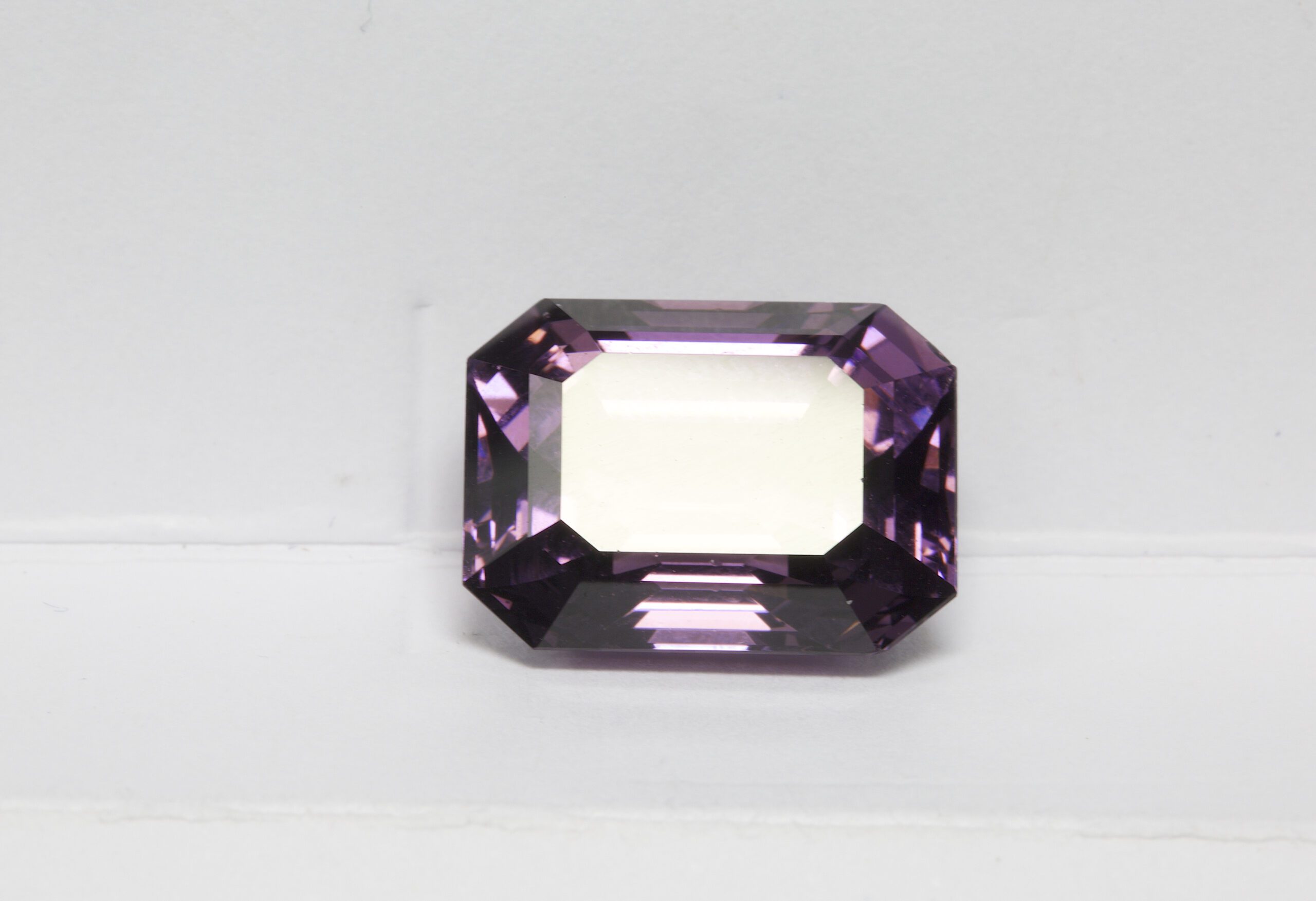
The interplay of red and blue within a single spinel crystal can create a spectrum of enchanting violet, lavender, and purple hues. While orange and yellow spinels are less common, white spinels are exceptionally rare and highly collectible, though seldom seen in jewelry. In recent years, gray spinels, often exhibiting subtle blue or purplish undertones, have also garnered significant interest in the gem market. Black spinel, on the other hand, is readily available and offers a dramatic, opaque beauty.
A Tale of Two Gems: Spinel’s Enduring Comparison with Corundum
The inherent brilliance of well-cut spinels, a result of their high refractive index, coupled with their diverse and appealing colors, has inevitably led to comparisons with corundum. For centuries, this resemblance, particularly in red hues, caused significant confusion. Many famous historical "rubies," such as the Black Prince’s Ruby adorning the Imperial State Crown of Britain, are, in fact, large red spinels.
This historical misidentification, while contributing to spinel’s mystique, has also unfortunately led many to view spinel as a mere substitute for corundum rather than appreciating it as a magnificent gemstone in its own right. However, modern gemological understanding and a discerning appreciation for spinel’s unique beauty are rapidly changing this perception.
The Subtle Art of Identification: Distinguishing Natural from Synthetic
While natural spinels possess a unique charm, synthetic versions are also available. Most synthetic spinels are produced using the Verneuil process, primarily to imitate other gemstones. Their identification is generally straightforward for trained gemologists. Flux-grown synthetic spinels, intended to mimic natural spinel, can be distinguished by characteristic inclusions of transparent brownish flux and specific spectral patterns.
The Unconventional Journey of Spinel Treatments
Unlike many other gemstones, the colors of spinel are not typically enhanced through heat treatment. This is because such processes offer minimal benefit to spinel’s inherent color stability. However, surface diffusion techniques have been employed to improve blue colors by driving coloring elements like cobalt and nickel a short distance into pre-cut stones. Occasionally, this method can also be used to create a green hue using nickel. These treatments are detectable by gemologists through the concentrated color near the surface and evidence of high-temperature processes.
Spinel’s Ascent: From Obscurity to the Forefront of Fine Jewelry
For a considerable period, spinel remained a somewhat neglected gemstone. However, its inherent beauty, remarkable durability, and stunning array of colors are now being recognized and celebrated within the jewelry trade. As gemological knowledge advances and designers seek unique and compelling gemstones, spinel is increasingly appearing in exquisite jewelry pieces, captivating consumers with its understated elegance and vibrant personality. Its journey from a historical curiosity to a modern-day star is a testament to its intrinsic value and enduring appeal.
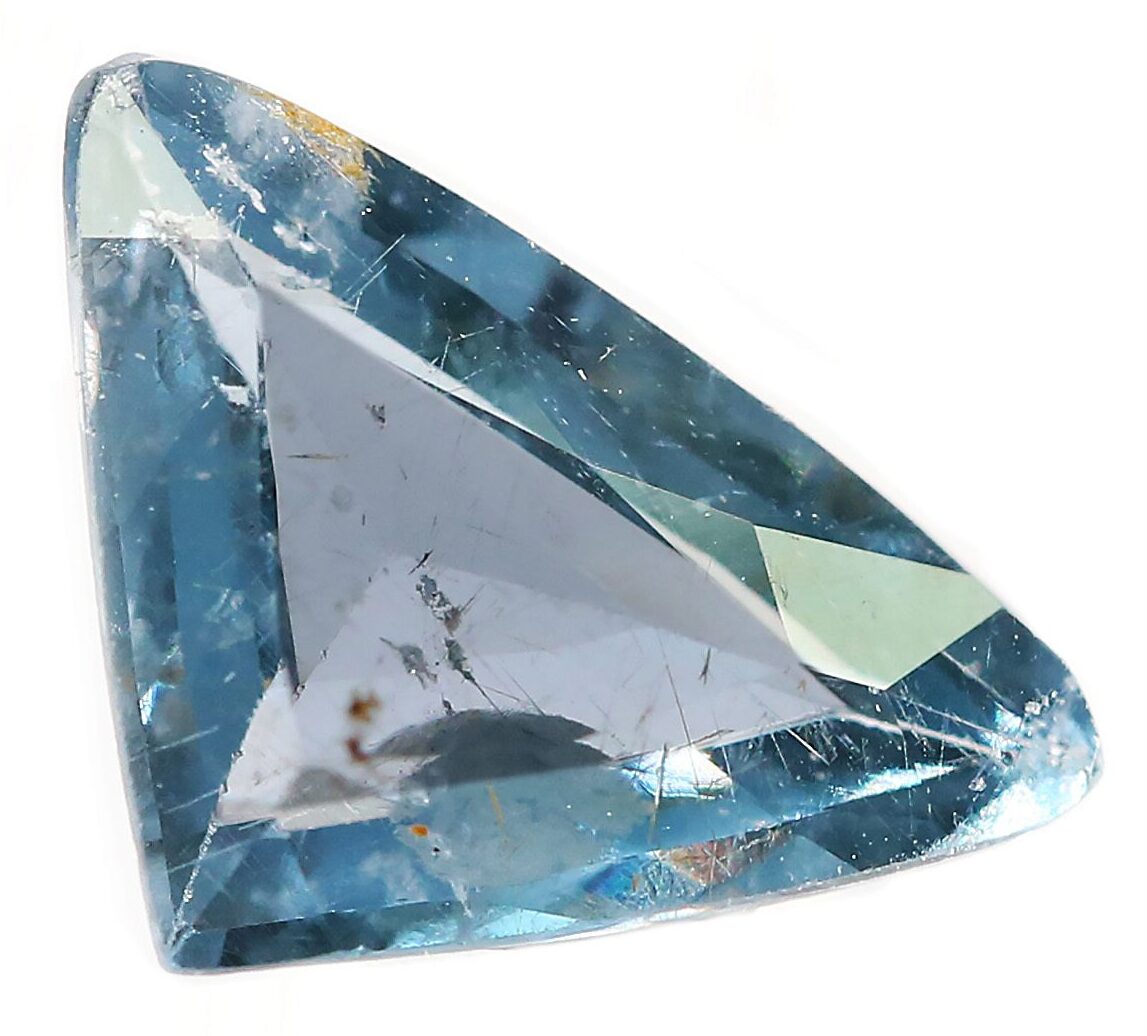
Main Image: A captivating blue spinel gemstone, photographed by Henry Mesa, exemplifies the vibrant allure of this rediscovered gem.
For those new to the captivating world of gemstones and eager to deepen their understanding, Gem-A’s mini online course, GemIntro, offers an accessible and informative starting point. Click here to access GemIntro and embark on your gemological journey: https://gemintro.gem-a.com/