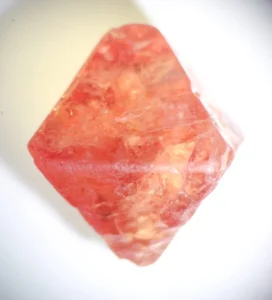
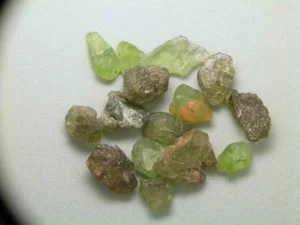
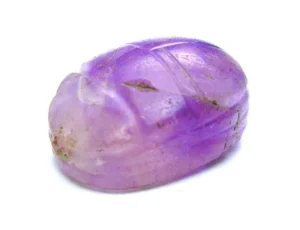
London, UK – When admiring a faceted gemstone, our eyes are captivated by its vibrant colors, crystalline transparency, dazzling brilliance, and fiery spectral displays. Yet, the very qualities that enchant us are often taken for granted, a testament to the sophisticated artistry and scientific precision involved in gemstone fashioning. Gem-A Gemmology Tutor, Pat Daly, offers an illuminating exploration into the intricate world of diamond cut and shape, delving into the techniques of faceting, the crucial role of symmetry, the multifaceted quality factors, and the universally recognized "4Cs" that define a diamond’s value. The act of fashioning, encompassing the style of cuts, the resulting shapes, and the meticulous quality of the cutting, profoundly impacts the visual allure of any finished gemstone.
The Evolution of Gemstone Fashioning: From Rough Crystal to Radiant Jewel
The journey of a gemstone from its raw, unrefined state to a breathtaking jewel is a testament to human ingenuity and a deep understanding of natural materials. While the inherent beauty of a gemstone lies in its intrinsic properties, it is the skilled hand of the cutter that unlocks its full potential, transforming rough crystals into objects of desire. This transformative process, known as fashioning, encompasses a spectrum of techniques, from simple carvings and the creation of smooth, rounded cabochons to the complex artistry of faceting.
Beyond the Sparkle: Understanding Different Cutting Styles
Gemstone cutting encompasses a variety of styles, each designed to enhance specific attributes of a stone.
- Carvings and Beads: These are perhaps the most rudimentary forms of gemstone shaping, involving the artistic sculpting of a stone into decorative forms or drilling them to create beads for jewelry. While these methods showcase the material’s color and texture, they do not typically amplify brilliance or fire.
- Cabochons: This style involves polishing a gemstone into a smooth, rounded or convex shape, often with a flat or slightly curved base. Cabochons are particularly suited for opaque or translucent stones, or those with desirable chatoyancy (like tiger’s eye) or asterism (like star sapphires), where a smooth surface allows these optical phenomena to be best appreciated.
- Faceted Stones: This is where the true magic of light manipulation begins. Faceting involves cutting a series of flat, polished surfaces, known as facets, onto a gemstone. The arrangement, size, and angles of these facets are critical in how light interacts with the stone, influencing its brilliance, fire, and scintillation.
Within the realm of faceted stones, three primary styles dominate:
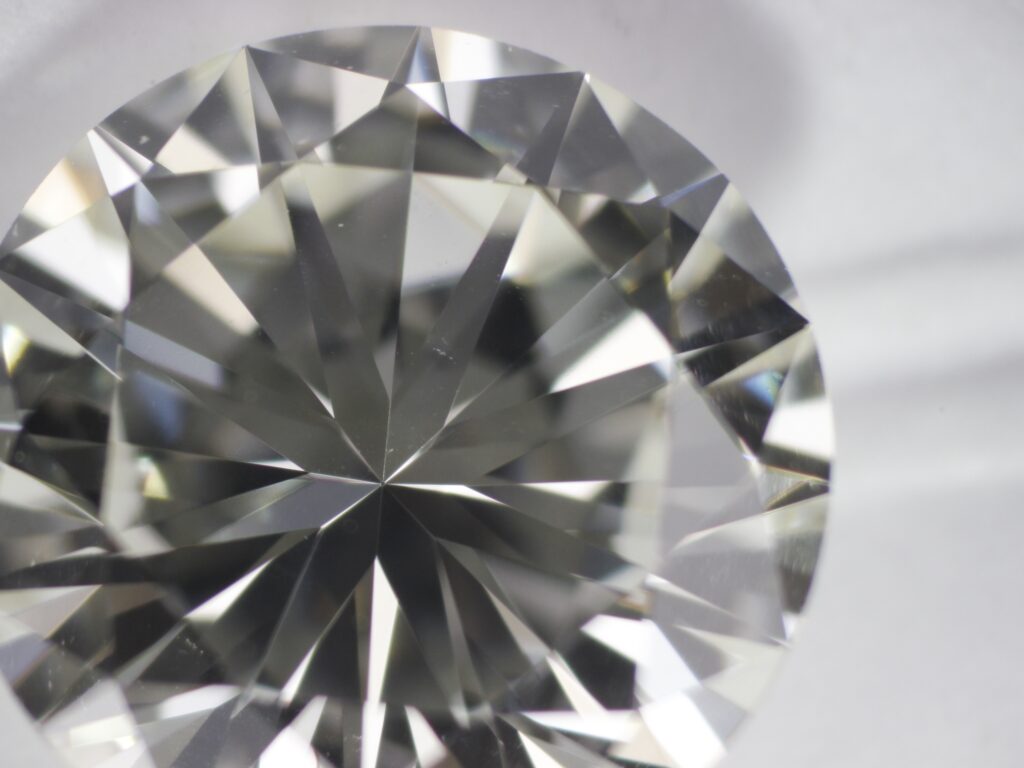
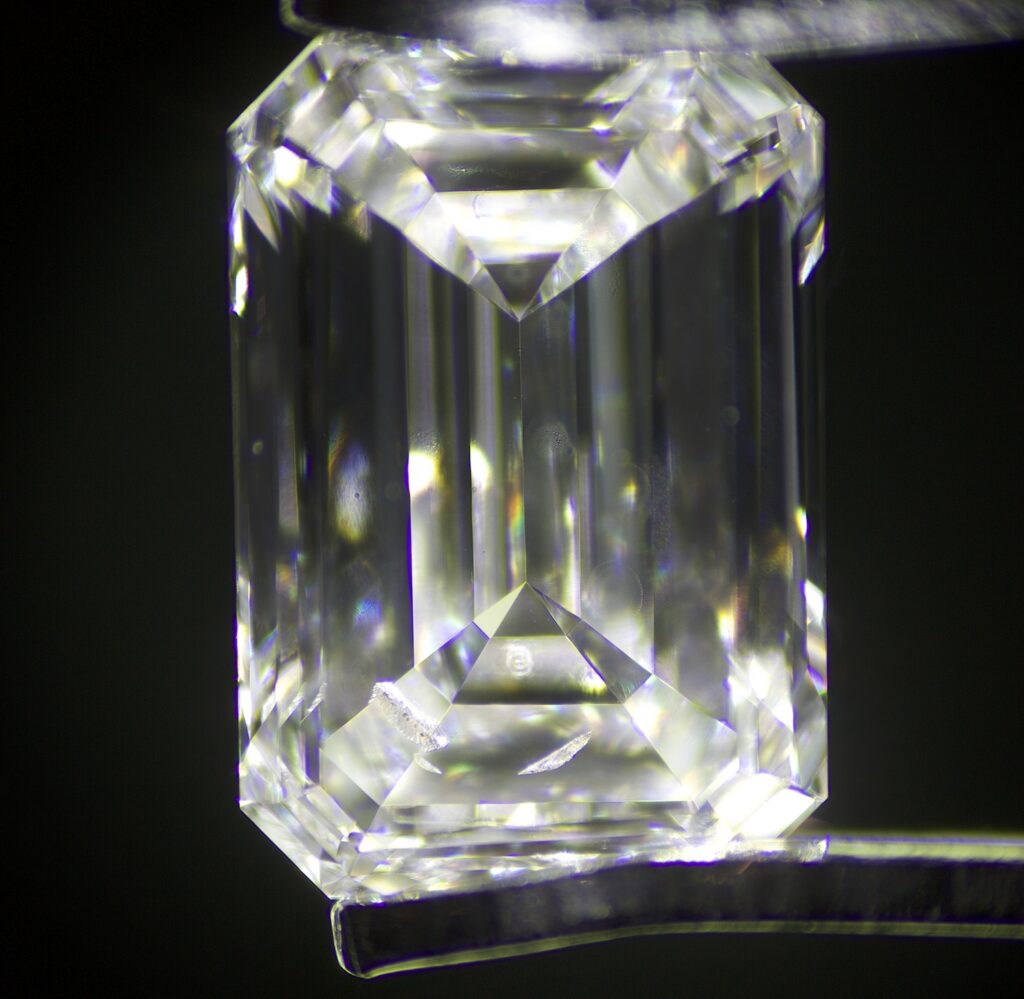
- The Step Cut: Characterized by long, parallel-sided facets, the step cut creates a more geometric and architectural appearance. Think of the iconic emerald cut or the baguette cut. These styles often emphasize the gemstone’s color and clarity, offering a sophisticated, understated elegance. While step cuts can be applied to colored stones of various shapes, they are particularly favored for diamonds with angular outlines such as squares, oblongs, or kites, often with truncated corners.
- The Brilliant Cut: This style, most famously exemplified by the round brilliant cut, features a multitude of triangular or kite-shaped facets. The brilliant cut is engineered to maximize the reflection and refraction of light, resulting in exceptional brilliance (the return of white light) and fire (the dispersion of white light into spectral colors). While traditionally associated with round diamonds, the principles of the brilliant cut are adapted to various shapes.
- The Mixed Cut: As the name suggests, this style ingeniously combines elements of both step cuts and brilliant cuts. This approach allows cutters to leverage the strengths of each style, optimizing for specific gemstone properties or creating unique aesthetic effects. Mixed cuts can be used for both colored stones and diamonds, offering a versatile approach to gemstone enhancement.
While all these cutting styles are employed for a wide range of colored gemstones, diamonds, with their exceptional hardness and refractive properties, are most commonly fashioned into step-cut and brilliant-cut stones, or their numerous modifications.
The Art of Shape: From Angular Elegance to Romantic Curves
Beyond the fundamental cutting style, the shape of a gemstone plays a pivotal role in its overall aesthetic appeal and market desirability. The chosen shape not only influences the visual presentation but can also affect the stone’s durability and how well it displays its inherent qualities.
Step Cuts: Architectural Precision in Gemstone Design
Step cuts, with their clean lines and geometric precision, often lend themselves to angular outlines.
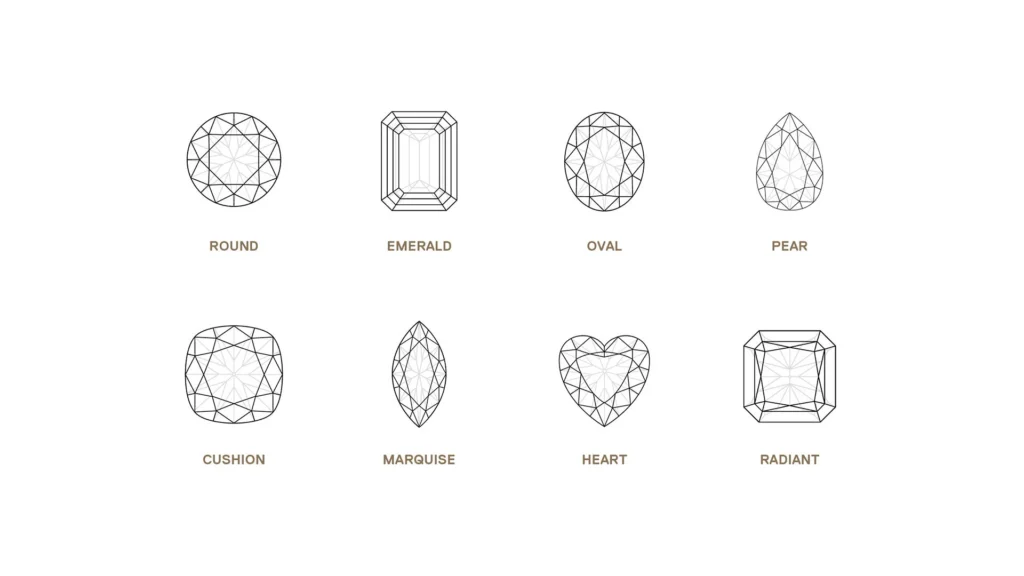
- Emerald Cut: A classic example, the emerald cut features a rectangular or square outline with the corners truncated, creating octagonal facets. This cut is renowned for showcasing the depth and color of a diamond or colored stone, but its large, open facets can also reveal internal inclusions more readily.
- Baguette Cut: A slender, rectangular step cut, the baguette is often used as a side stone in jewelry settings, complementing larger center stones.
- Asscher Cut: Similar to the emerald cut, the Asscher cut is square with truncated corners, but it features concentric square facets that create a distinctive "X" pattern of light and shadow, often referred to as the "ice cube effect."
While these angular shapes are frequently seen in diamonds, step-cut colored stones can also be found in round, oval, or other softer forms, demonstrating the versatility of this cutting style.
Brilliant Cuts: Maximizing Light and Sparkle
The brilliant cut, in its purest form, refers to a stone with a round girdle. However, this fundamental design has been ingeniously adapted to create a dazzling array of shapes, each designed to harness light in unique ways.
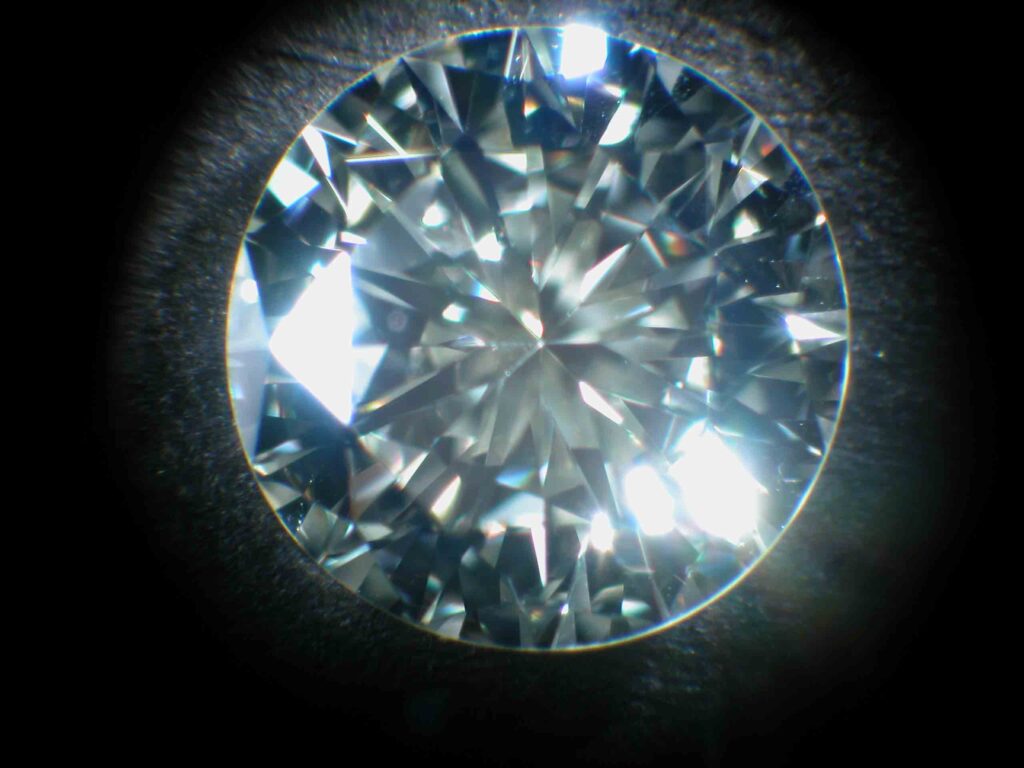
- Round Brilliant Cut: The undisputed king of diamond cuts, the round brilliant cut, with its 58 facets (or 57 if the culet is absent), is meticulously engineered to achieve optimal brilliance, fire, and scintillation. Its precise angles and proportions are designed to maximize the return of light, making it the most popular and often the most expensive diamond cut.
- Oval Cut: A variation of the round brilliant, the oval cut offers a similar sparkle but with a more elongated silhouette, often making the stone appear larger than a round diamond of the same carat weight.
- Pear Shape (Teardrop): Combining the elegance of a marquise with the rounded end of an oval, the pear shape is a romantic and eye-catching cut. It features a pointed end and a rounded base, requiring careful faceting to ensure balanced light performance.
- Cushion Shape (Antique Cushion): With its rounded corners and square or rectangular outline, the cushion cut evokes a vintage charm. It can be found in both brilliant and modified brilliant styles, offering a softer sparkle compared to the sharp brilliance of a round cut.
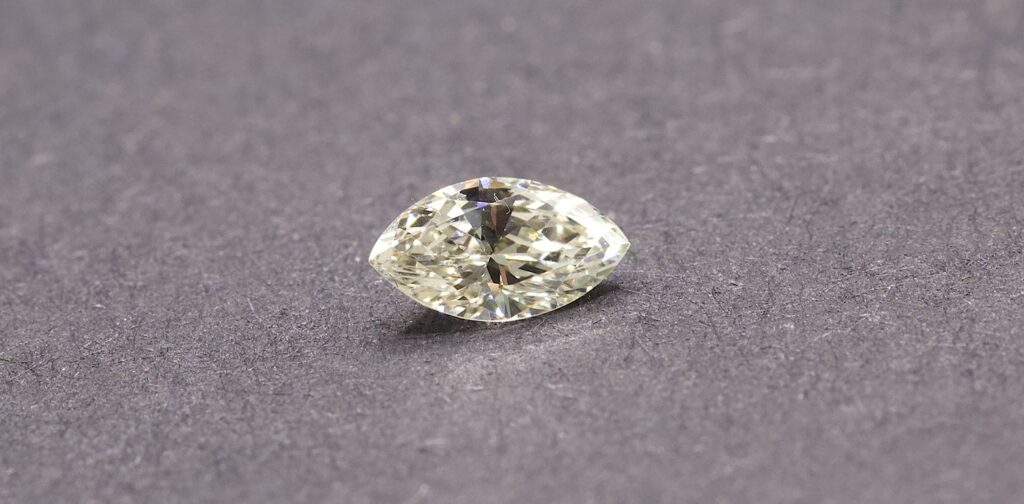
- Marquise Shape: Characterized by its elongated, pointed ends, the marquise cut maximizes carat weight and creates an illusion of greater size. Its distinctive shape is said to resemble a boat or an eye, offering a bold and dramatic statement.
- Heart Shape: A symbol of love and romance, the heart shape is a fanciful modification of the brilliant cut. Achieving a perfectly symmetrical and well-proportioned heart shape requires exceptional skill from the cutter.
In these modified brilliant cuts, the basic facet arrangement of a round stone is adapted to the new outline. For instance, the pointed ends of pear and marquise diamonds often have a kite facet replaced by two triangular facets to reduce their vulnerability to chipping.
The Princess Cut: A Modern Marvel in Diamond Fashioning
Emerging as a popular choice in recent decades, the princess cut is a relatively modern style that has captured consumer attention. Developed in the 1960s, it is essentially a square or rectangular modified brilliant cut.
- Princess Cut: Featuring an 8-sided table facet and a combination of triangular, kite, and strip-like facets, the princess cut is designed to enhance the brilliance of square to oblong stones. It is sometimes referred to as a "square brilliant" due to its facet arrangement, which aims to maximize sparkle while retaining a modern, geometric appeal. This cut offers a contemporary alternative to the traditional round brilliant, often at a more accessible price point.
The Historical Tapestry of Diamond Faceting
The art of diamond faceting is not a modern invention but rather an evolutionary process that has spanned centuries, driven by a desire to enhance the inherent beauty of these extraordinary gems.
Early Innovations and the Dawn of Brilliance
The earliest forms of diamond cutting likely involved simple polishing of existing crystal faces or the replacement of a crystal’s corner with a single table facet. This rudimentary approach aimed to improve the stone’s luster and polish. As diamond manufacturing techniques progressed, cutters began to add more facets, seeking to increase the stone’s brilliance and sparkle – the captivating play of light that results from reflections from different facets as the stone is moved. The rounded corners that characterize cushion-shaped diamonds likely emerged as cutters sought to create more aesthetically pleasing shapes and reduce the sharp edges that were prone to damage.
The development of the standard brilliant cut was a significant milestone. This cut, with its carefully calculated angles and facet arrangement, was designed to optimize the interaction of light with the diamond, maximizing both brilliance and fire. The late 19th century witnessed a crucial technological advancement: the development of machinery capable of creating perfectly round diamond girdles. This innovation was instrumental in the standardization and widespread adoption of the round brilliant cut.
The Mathematical Precision of Marcel Tolkowsky
A pivotal figure in the history of diamond cutting was Marcel Tolkowsky. Belonging to a family with a long tradition of diamond cutting and possessing an engineering background, Tolkowsky applied mathematical principles to determine the ideal angles and proportions for a diamond to achieve maximum fire and brilliance. His groundbreaking work, published in the early 20th century, laid the foundation for the modern round brilliant cut. While some adjustments and refinements have been made since his time, Tolkowsky’s calculations remain the bedrock of the design for the most popular diamond cut in the world today.
The Pillars of Cutting Quality: Beyond the Carat
While the 4Cs – Carat, Color, Clarity, and Cut – are universally recognized as determinants of a diamond’s value, the "Cut" is arguably the most complex and often the most misunderstood. It is not merely about the shape but the precise execution of that shape, encompassing a range of critical quality factors that dictate how a diamond interacts with light.
Proportions: The Architecture of Light Return
The proportions of a diamond refer to the angles and relative sizes of its facets. For a diamond to exhibit maximum brilliance, a carefully calibrated balance is required.
- Light Return: The primary goal of good proportions is to ensure that as much light as possible entering the diamond is reflected back through the crown facets to the observer’s eye. This can occur either directly from the surface or after internal reflection within the stone.
- Fire and Brilliance Compromise: A diamond’s beauty is a delicate interplay between brilliance (the white light reflected) and fire (the spectral colors produced by the dispersion of white light). Cutting a high crown and a small table facet can increase the likelihood of light splitting into spectral colors, thus enhancing fire. However, maximizing brilliance requires efficient reflection of white light. Therefore, cutters must strike a balance, optimizing both brilliance and fire to achieve a captivating sparkle.
Symmetry: The Harmony of Light and Form
Symmetry is paramount to a diamond’s aesthetic appeal and its ability to effectively handle light. It encompasses two key aspects:
- Girdle Outline Symmetry: This refers to how closely the overall shape of the diamond – be it round, square, or any other form – adheres to geometric perfection. A perfectly symmetrical outline contributes to a visually pleasing and harmonious appearance.
- Facet Alignment: Beyond the outline, symmetry also pertains to the precise alignment and proportioning of the individual facets. Facets should be correctly distributed, and their relative sizes and angles must be meticulously maintained. Misaligned or uneven facets can disrupt the flow of light, leading to diminished sparkle and the appearance of dark areas or "bow-tie" effects, particularly noticeable in certain fancy shapes like the marquise.
Polish: The Lustrous Finish
The polish of a diamond refers to the smoothness and finish of its facets. A well-polished diamond will have mirror-like surfaces that reflect light with maximum intensity.
- Surface Imperfections: Scratches, pits, or rough surfaces can scatter light, reducing brilliance and sparkle. A high-quality polish ensures that light bounces cleanly off each facet, contributing to the diamond’s overall radiance.
The 4Cs and the Critical Role of Cut Grading
In the gemological world, the "4Cs" – Carat weight, Color, Clarity, and Cut – are the universal standards for evaluating a diamond’s quality. While Carat, Color, and Clarity are inherent properties of the rough diamond, the Cut is a measure of the cutter’s skill and artistry.
- Cut Grades: Gemological laboratories, such as the Gemological Institute of America (GIA), provide cut grades for brilliant-cut diamonds. These grades are based on a comprehensive assessment of the diamond’s proportions, symmetry, and polish. Typically, cut grades range from Excellent to Poor, with "Excellent" indicating the highest level of light performance and aesthetic appeal.
- Impact on Light Performance: A diamond’s cut grade directly influences how easily light can enter, reflect within, and exit the stone. A diamond with an excellent cut will exhibit superior brilliance, fire, and scintillation compared to one with a poor cut, even if they share similar carat weight, color, and clarity.
The Future of Diamond Cutting: Merging Art and Science
The field of diamond cutting is a dynamic one, constantly evolving with advancements in technology and a deeper understanding of human perception.
- Observer Perception: Recognizing that objective measurements alone do not fully capture the beauty of a diamond, gemologists are increasingly incorporating the perceptions of observers into cut quality assessments. By combining experimental data with theoretical calculations, a more nuanced understanding of the relative merits of fashioned diamonds is being developed.
- Technological Advancements: As technology progresses, so too does the art and science of diamond cutting. Sophisticated computer modeling and precision cutting tools allow for greater accuracy and the exploration of new cutting styles and proportions, pushing the boundaries of what is possible in gemstone fashioning.
In conclusion, the journey of a gemstone from a raw crystal to a dazzling jewel is a testament to the profound interplay of nature’s artistry and human craftsmanship. The meticulous process of cutting and faceting, guided by historical traditions and modern scientific understanding, transforms mere minerals into objects of timeless beauty and enduring value. The intricate details of cut, shape, and quality are not merely technical specifications but the very essence of a gemstone’s captivating allure.