

To many, the world of compliance is a sterile landscape of statutes, mandates, and red tape—a necessary bureaucracy of "thou-shalts" and "thou-shalt-nots." However, beneath the surface of every policy and procedural document lies a profound human reality. When compliance fails, the repercussions extend far beyond regulatory fines or damaged balance sheets; they ripple into the lives of individuals, communities, and families.
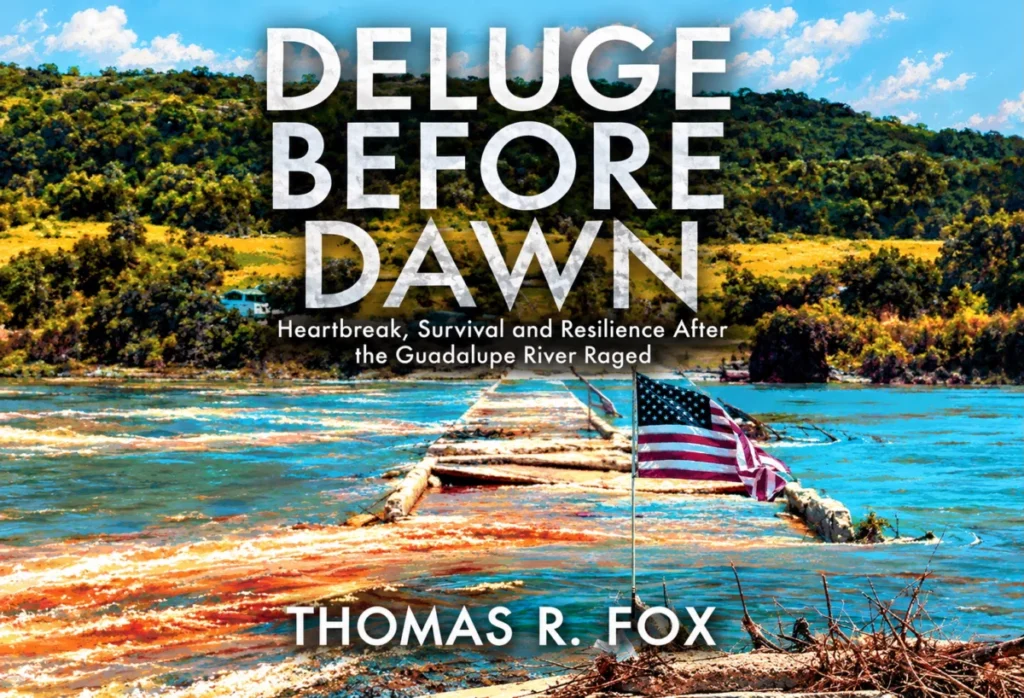
Compliance expert and Texas Hill Country resident Tom Fox experienced this intersection of policy and tragedy firsthand on July 4, 2025, when a catastrophic flood decimated his community. In his poignant new book, “Deluge Before Dawn: Heartbreak, Survival and Resilience After the Guadalupe River Raged,” Fox bridges the gap between professional risk management and the raw, lived experience of disaster. By dissecting the failure of systems during that horrific night, Fox provides a blueprint for how organizations—whether corporate, non-profit, or municipal—must rethink their duty of care.
The Anatomy of a Disaster: A Chronology of Failure
The July 4, 2025, flood was not merely an act of nature; it was a systemic failure of preparedness. The disaster unfolded with terrifying speed, catching a region ill-equipped to handle the sudden, violent surge of the Guadalupe River.
- The Pre-Event Context: For years, the region had operated under a sense of normalcy, despite historical warnings of flood risks. Decisions made in boardrooms and government offices regarding land use had prioritized convenience over worst-case scenario planning.
- The Night of the Event: As the storm intensified in the early hours of July 4, the critical infrastructure required for emergency response vanished. Communication networks—already fragile—collapsed, rendering mobile devices and emergency alert systems useless.
- The Response Vacuum: Because the event occurred on a national holiday, local leadership was decentralized and often inaccessible. There was no clear chain of command, no empowered decision-makers on the ground, and no pre-authorized protocol to override bureaucratic hurdles in the face of imminent loss of life.
- The Aftermath: By the time the full scope of the disaster became clear, the window for effective harm-reduction had long since closed. The community was left to grapple with the loss of life and the arduous process of rebuilding.
Supporting Data: The Cost of Complacency
The disaster highlights a dangerous trend in modern risk management: the reliance on "compliant" but unsafe structures. A stark example provided by Fox is the case of Camp Mystic. The camp had operated for nearly a century, surviving many previous storms. When Federal Emergency Management Agency (FEMA) maps identified camp cabins as sitting in a high-risk flood zone, the directors successfully appealed the designation, opting to prioritize business continuity over the cautionary data.
While the camp’s actions were "fully compliant" according to the letter of the law, they were, in reality, a disaster waiting to happen. This illustrates a recurring theme in corporate governance: the dangerous conflation of legal compliance with safety and ethical responsibility. Compliance officers often focus on what they are permitted to do, rather than what they should do to ensure the safety of those under their care.
The Five Pillars of Resilient Governance
Drawing on his professional expertise and his personal ordeal, Fox outlines five essential lessons for any organization operating in a high-risk environment.
1. The Proactive Mandate: Systems are Activated, Not Invented
"Systems that function under stress are almost never invented during the crisis. They are activated," Fox writes. The time to develop protocols is not when the water is rising, but months or years prior. Organizations must invest in robust, tested systems that ensure data is accessible, decision-makers are clearly identified, and resources are allocated before a crisis occurs.
2. Redefining Risk: The Dangers of Historical Bias
Risk planning must move beyond historical trends. The climate is shifting, and "once-in-a-century" events are occurring with increasing frequency. Organizations must be willing to establish "bright lines"—hard boundaries that are never crossed, regardless of the financial incentive. Compliance officers have a moral obligation to challenge business decisions that, while legal, ignore the evolving reality of the environment in which they operate.
3. Multisystem Failure: The Compounding Effect of Crisis
Crises rarely arrive in isolation. During the July 4 flood, a single root cause—catastrophic rainfall—triggered a chain reaction: power outages, the failure of emergency communication, the blockage of evacuation routes, and the absence of leadership. Organizations must adopt a "multisystem failure" mindset. They should plan for the worst-case scenario where several essential services fail simultaneously.
4. Trust as Infrastructure
In the aftermath of the flood, the Kerr County Community Foundation became a lifeline. Their success in deploying aid was not an accident; it was the result of years of "unglamorous work"—grant reviews, transparent governance, and consistent donor stewardship. This accumulated credibility acted as infrastructure. Trust is not a soft skill; it is a vital operational asset that must be built during calm times so it can be leveraged during crises.
5. Memory as a Catalyst for Change
Perhaps the most sobering lesson is the danger of collective amnesia. Following a 1987 flood that claimed ten children, initial calls for reform eventually faded as the event moved further into the past. "Forgetting invites tragedy anew," Fox warns. True compliance involves the courage to ensure that past mistakes lead to permanent systemic change, rather than temporary, performative adjustments.
Implications for Corporate Responsibility
The lessons of the Hill Country flood have profound implications for the modern compliance officer. The role must evolve from a "gatekeeper of rules" to a "guardian of values."
Compliance professionals must now ask:
- Does our adherence to the law provide a false sense of security?
- Are we prioritizing quarterly profits over long-term human safety?
- Have we built the relationships necessary to act decisively when a crisis inevitably hits?
The tragedy of the Guadalupe River reminds us that the ultimate goal of compliance is not to satisfy an auditor, but to protect human life. When organizations fail to account for the human element, they risk more than just legal penalties; they risk the very foundation of their existence.
Conclusion: Honoring the Lost Through Action
The legacy of the July 4, 2025, disaster should be one of transformation. We honor those who were lost not by dwelling in the numbers or the statistics, but by having the courage to change our systems.
As Fox notes, "To remember the dead is to refuse to let them be reduced to numbers. To remember acts of courage is to preserve examples of grace under pressure. To remember failures, gaps, and hard lessons is to offer the living a chance to do better." For the corporate world, this is a clarion call. It is time to treat compliance as a living, breathing framework—one that is built on the bedrock of transparency, the foresight of proactive planning, and an unwavering commitment to the people who power our organizations. The true test of any compliance program is not how it performs on a standard day, but how it holds up when the deluge begins.