

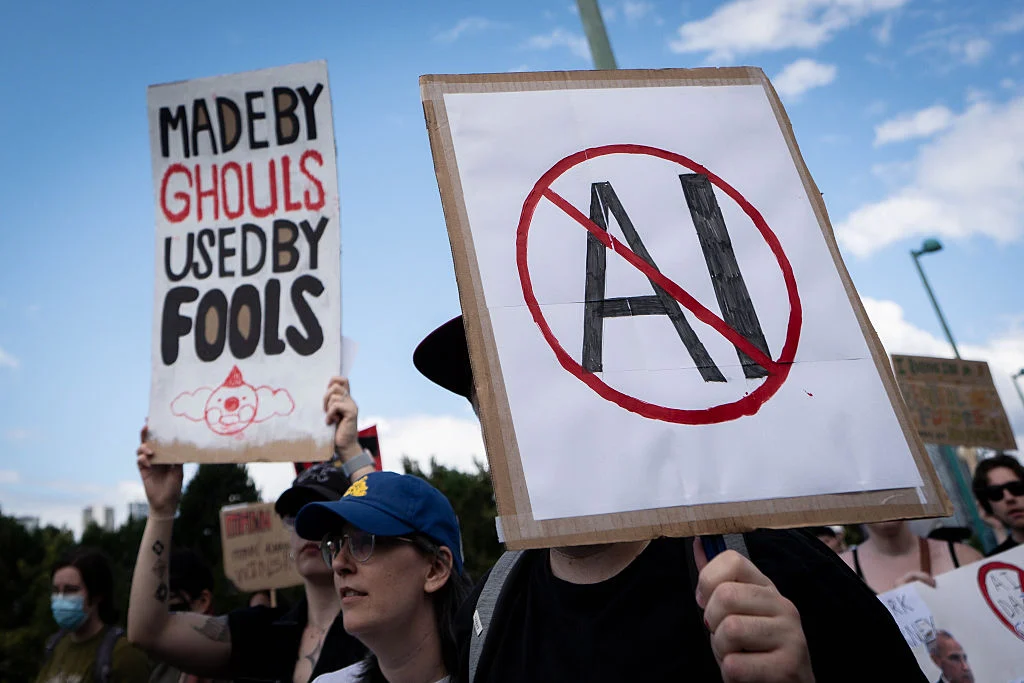
The rapid expansion of the artificial intelligence (AI) infrastructure is hitting a formidable wall: the American public. As massive, energy-hungry data centers continue to rise across the landscape, they have become the focal point of a heated debate involving environmental sustainability, economic impact, and, most crucially, corporate transparency.
In a significant pivot, Amazon Web Services (AWS) CEO Matt Garman announced this week that the company will cease the use of nondisclosure agreements (NDAs) when negotiating with government agencies for new data center projects. This move marks a major shift in strategy for the cloud giant, as it seeks to quell a growing, nationwide movement of community opposition that threatens to stall the progress of the AI revolution.
The Transparency Crisis: A New Era of Scrutiny
For years, the "data center playbook" has been characterized by quiet negotiations. Tech companies often work behind the scenes with local officials, securing permits and tax incentives under the shroud of confidentiality agreements before the public is made aware of the scope of these massive industrial developments.
This lack of transparency has sparked a fierce backlash, with high-profile voices like environmental activist Erin Brockovich leading the charge. Brockovich recently identified transparency as the primary complaint among residents near proposed sites, highlighting a recurring pattern: projects unveiled only after permits are locked in, developers who remain unreachable, and local officials who find their hands tied by NDAs before their constituents even know a project is being considered.
The fallout has been tangible. In New York, state officials recently imposed a one-year moratorium on all new large-scale data center permits. Across the United States, more than 100 similar moratoriums are currently being debated or considered, creating an existential threat to the tech industry’s physical expansion plans.
Chronology: From Quiet Growth to Public Outcry
The timeline of this confrontation traces back to the initial AI boom, which necessitated an unprecedented increase in computing power.
- 2023-2024: Tech giants, led by AWS, Microsoft, and Google, aggressively acquired land to build massive data center clusters to support the burgeoning generative AI industry.
- Early 2025: As these facilities began to impact local power grids and water supplies, community organizations began to form, demanding accountability and environmental impact assessments.
- Mid-2025: Environmental groups and local advocates began targeting the secretive nature of these negotiations, specifically pointing to the use of NDAs as a tool to silence democratic oversight.
- August 2026: The backlash reached a fever pitch. New York halted construction, and high-profile lawsuits—such as the NAACP’s litigation against Elon Musk’s xAI regarding generator emissions—pushed the issue into the national spotlight.
- Present Day: Amazon, attempting to preempt further regulatory hurdles, has officially abandoned the use of NDAs in public sector dealings, signaling a major admission that the previous "stealth" approach is no longer viable.
The Four Pillars of the Data Center Debate
In his recent blog post, AWS CEO Matt Garman attempted to dismantle four "myths" that have fueled the public’s resistance.
1. Water Consumption
Critics frequently cite the massive water requirements needed to cool high-performance chips. Garman countered this by citing an internal Amazon report, claiming that "direct data center water consumption" accounts for a mere 0.5% of total U.S. industrial water usage—a figure he characterized as "orders of magnitude less than golf courses, almond farming, and many other industries."
However, industry experts remain skeptical. While cooling technologies are improving—Nvidia, for instance, recently debuted a cooling system that it claims eliminates nearly all water usage within the data center—critics argue this does not account for the massive water footprint involved in electricity generation and the manufacturing of the chips themselves. Without federal oversight or mandatory reporting, scientists argue it is impossible to independently verify these claims.
2. Rising Electricity Costs
The cost of power is perhaps the most immediate concern for local residents. While Garman argued that electricity rates have decreased or stabilized in many areas, he acknowledged that in some regions, prices have risen. He attributed these hikes to "old grids" that lacked investment and expansion long before data centers arrived, rather than the data centers themselves.
This narrative directly conflicts with findings from independent watchdogs. In one notable case, an analysis of America’s largest electrical grid revealed that data centers were the primary factor behind a staggering 76% year-over-year price increase for consumers, casting doubt on Amazon’s claims that they are merely an innocent party in a failing infrastructure.
3. Pollution and Carbon Emissions
The third myth, according to Garman, concerns pollution. He argued that the backup generators—which are often the focus of environmental litigation—remain idle 99.9% of the time, operating only for approximately 10 hours per year during maintenance.
Despite this, the scale of potential impact is enormous. A planned Amazon data center in Texas has received permits allowing it to release 33 million tons of carbon dioxide annually, a figure that would make it one of the largest single-point polluters in the United States. While the generators may be idle most of the time, the capacity for pollution remains a significant point of contention for local environmental advocates.
4. Community Benefit
Finally, Garman touted the economic contributions of AWS, noting that the company has invested over $1 billion into communities with a "meaningful data center presence" over the past three years. By coupling this with the end of NDAs, Amazon is clearly trying to rebrand its facilities as engines for local growth rather than industrial burdens.
The "Crisis of Trust"
Despite Amazon’s efforts to open its books and pivot toward transparency, the industry faces a deeper, more structural problem. Anthropic CEO Dario Amodei recently summarized the current state of the industry by describing the AI backlash as "fundamentally a crisis of trust."
This sentiment is echoed by public intellectuals and writers like Jasmine Sun, who notes that when tech companies present their data and economic arguments, the prevailing response from skeptical communities is a simple, flat: "I don’t believe them."
Implications for the Future of AI
The implications of this standoff are severe. If the current wave of moratoriums and regulatory barriers continues to spread, the United States risks falling behind in the global AI race. Garman warned that if these measures are enacted, the U.S. could be "writing its own losing ticket" in a technological contest that will define the global economy for generations to come.
However, the path forward for Big Tech is no longer just about engineering breakthroughs or capital expenditure. It is about social license. The move to abandon NDAs is a tacit acknowledgment that the era of "move fast and break things" cannot apply to the physical infrastructure of the nation.
If Amazon and its competitors hope to continue their expansion, they will likely need to go further than simply dropping NDAs. They will need to engage in genuine, independent verification of their energy and water impacts, provide more robust guarantees for local grid stability, and—most importantly—rebuild the trust that has been eroded by years of corporate opacity.
The tension between the insatiable demands of the AI industry and the needs of local communities has arrived at a breaking point. Whether this new era of transparency is enough to pacify the public remains to be seen, but one thing is clear: the age of building in the dark is coming to an end. The tech industry’s future now depends on its ability to prove that it can be a good neighbor, not just a dominant economic force.



