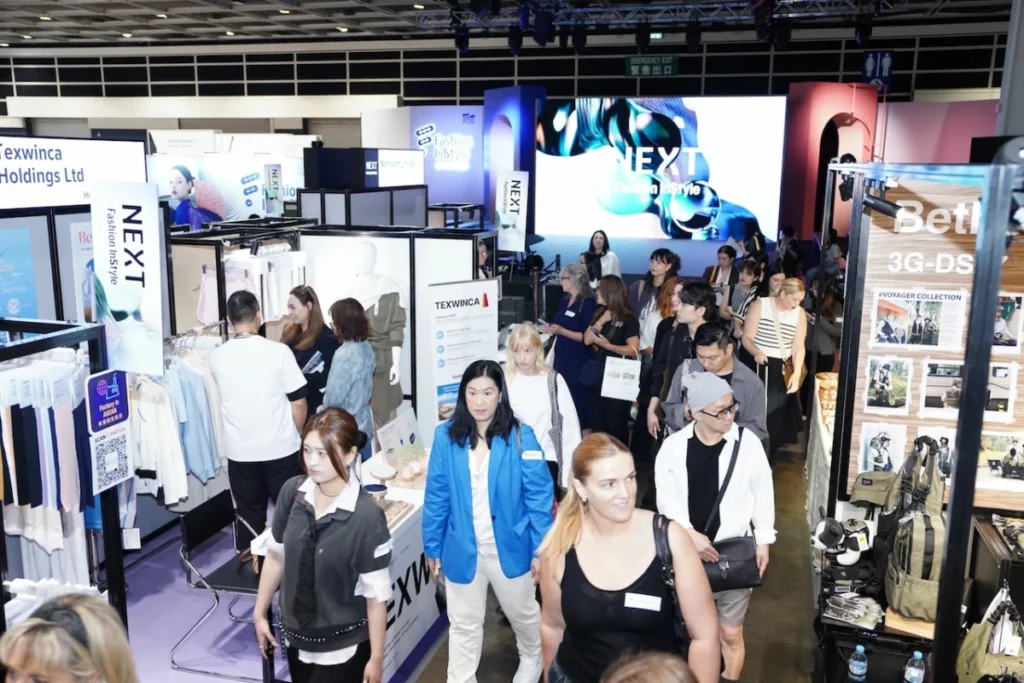
As the global fashion industry grapples with the dual pressures of environmental accountability and the rapid pace of technological disruption, Hong Kong is once again positioning itself as the epicenter of this transformation. From April 27 to 30, 2026, the Hong Kong Convention and Exhibition Centre (HKCEC) will host Fashion InStyle 2026, with its marquee highlight, NEXT@Fashion InStyle, serving as a laboratory for the industry’s most daring material innovations.
Organized by the Hong Kong Trade Development Council (HKTDC), this year’s event is more than a trade fair; it is a strategic nexus for the global supply chain. By integrating specialized zones for textiles, fashion technology, and sustainability solutions, the event offers a comprehensive sourcing ecosystem designed to bridge the gap between abstract innovation and commercial viability.
The Strategic Vision: A Hub for Material Evolution
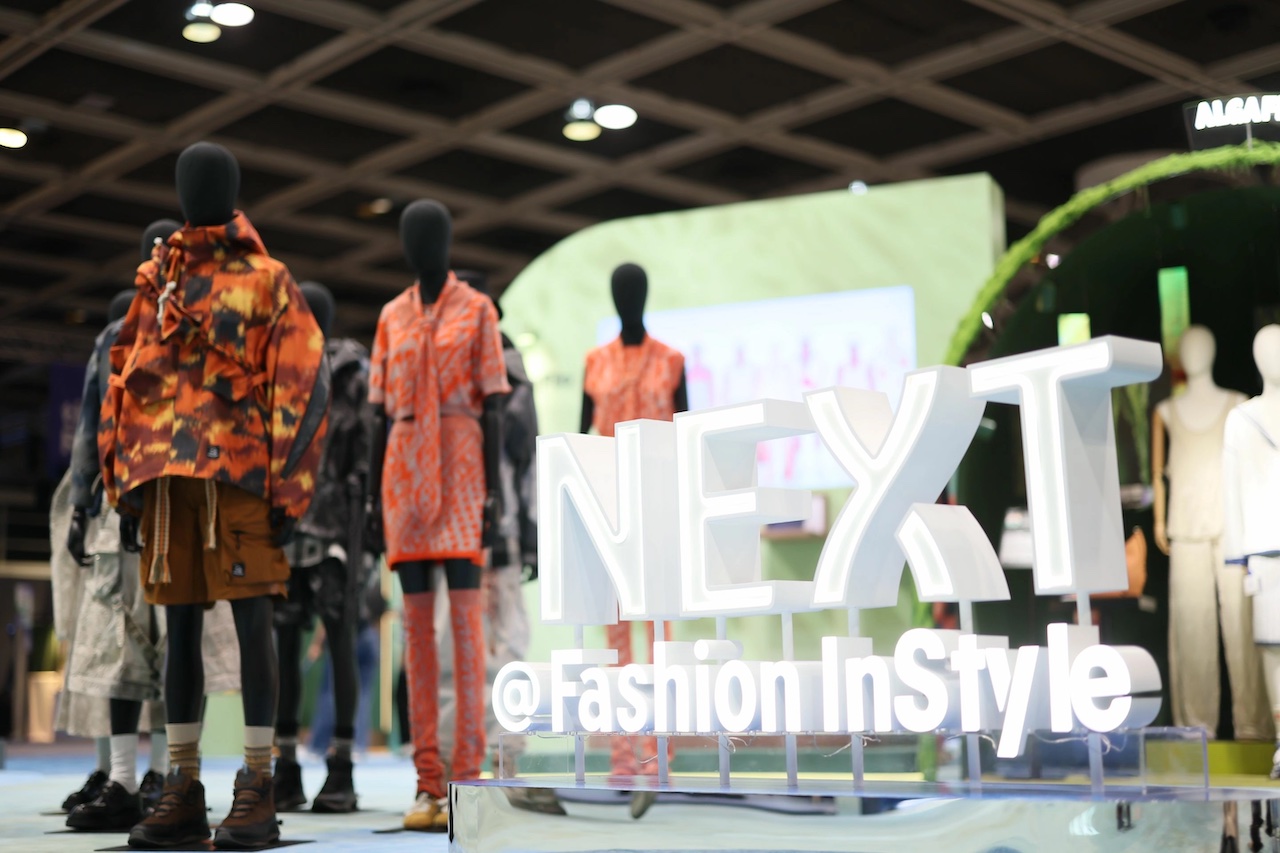
The "NEXT" designation is not merely a label; it represents a dedicated spotlight on experimental design and next-generation textiles. In an era where "sustainability" is a baseline requirement rather than a unique selling proposition, NEXT@Fashion InStyle delves deeper into material functionality and creative fabrication.
The event is built upon three core thematic pillars: Cultural & Heritage, Sustainability, and Technology & Functionality. These pillars reflect a broader industry shift toward materials that do not merely look good but perform under rigorous environmental and functional standards.
The Curatorial Leadership
Returning as the zone’s ambassador is Han Chong, the visionary founder and creative director of the London-based label Self-Portrait. Chong’s involvement brings a high-fashion sensibility to the trade floor, ensuring that the curatorial direction remains rooted in contemporary aesthetics while pushing the boundaries of what is possible in textile engineering. His role is to guide exhibitors and visitors alike through the "Fashion Shock" of the exhibition—a series of installations that prioritize sensory and structural innovation.
Chronology and Scope: A Global Convergence
The journey toward the 2026 edition has been marked by intensive collaboration between international trade bodies and creative agencies. Supported by the Cultural and Creative Industries Development Agency (CCIDA), this year’s iteration features a significant partnership with the Philippines, facilitated by the Philippine Trade and Investment Center (PTIC) and the Center for International Trade Expositions and Missions (CITEM).
A Snapshot of the Schedule:
- April 20 – May 7, 2026: The "EXHIBITION+" hybrid period. Digital sourcing, business matching via Click2Match, and procurement operations commence online.
- April 27, 2026: Official opening of Fashion InStyle and the NEXT@Fashion InStyle zone at the HKCEC.
- April 27–30, 2026: The core physical exhibition, featuring live fashion parades, industry seminars, and direct B2B networking.
- May 7, 2026: Conclusion of the digital business matching services.
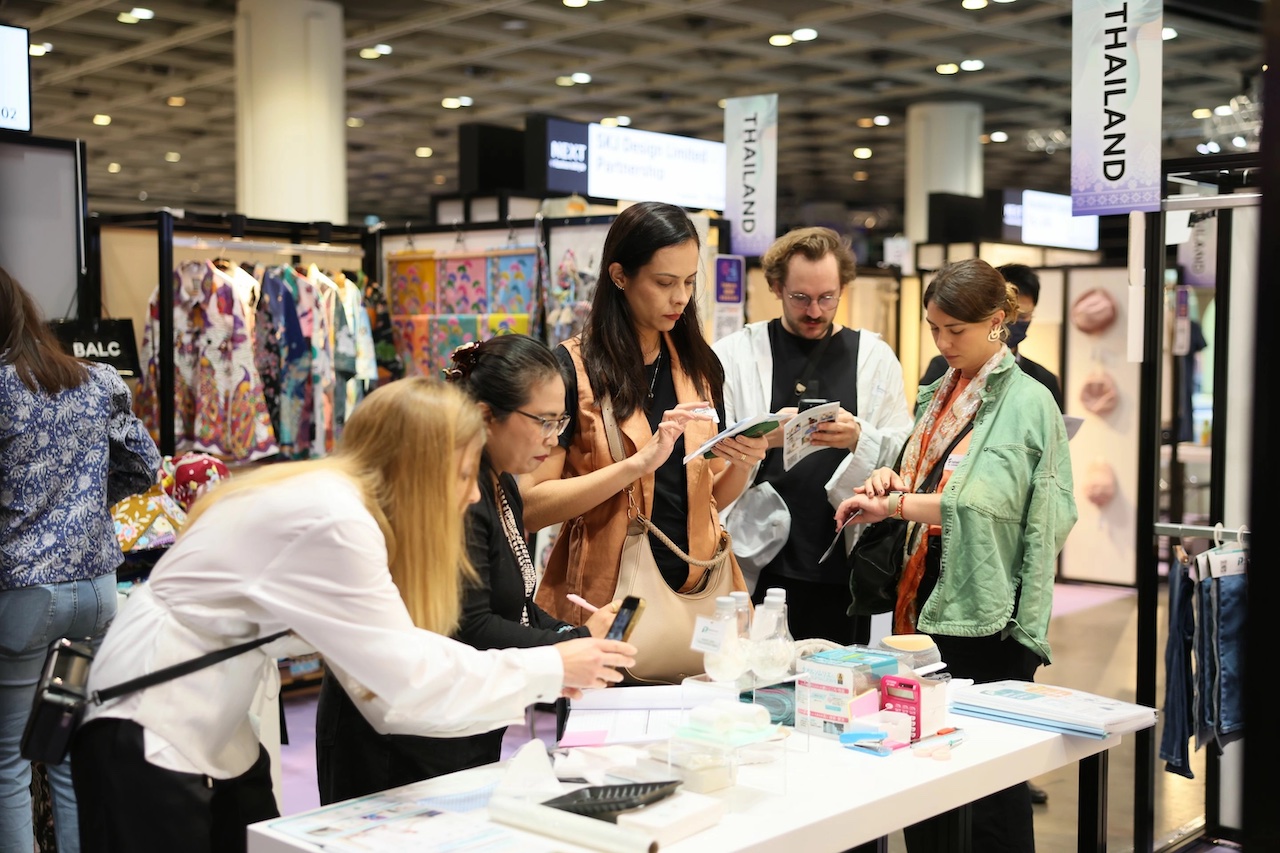
With 30 suppliers representing the Philippines and over 60 additional international exhibitors, the event provides a mosaic of global craftsmanship. This diversity ensures that attendees can source everything from high-end sustainable fibers to traditional, artisanal textiles that have been modernized for the global market.
Case Studies: Designers at the Vanguard of Material Science
The centerpieces of the showcase are the five cross-disciplinary projects commissioned by Han Chong. These projects, which involve six emerging Hong Kong designers working with eight global material suppliers, illustrate the practical application of the aforementioned themes.
1. The Biodegradable Frontier: Toki Wong and Lusana Xu
Wong and Xu have centered their project on AlgaFila, a 100% biodegradable material derived from algae. By pairing this with Nanoflex—a resilient, high-elasticity fiber—they have created padded garments that defy the traditional trade-off between sustainability and durability. Their work utilizes advanced, low-impact dyeing techniques that ensure vivid, lasting color without the heavy water usage associated with conventional textile processing.
2. The Texture Paradox: Jason Ying
Jason Ying’s contribution explores the sensory potential of contrast. By blending the fluidity of Tencel denim with structural, sustainable leather elements and integrated knit accessories, Ying creates a visual and tactile narrative. His approach to sourcing emphasizes "responsible luxury," where the wearing experience is optimized through the collision of disparate textures.
3. Structural Manipulation: Ponder.er
The experimental label Ponder.er eschews traditional fabric utilization in favor of "self-developed" textiles. By manipulating fiber structures at the molecular or weave level, they demonstrate how custom-engineered materials can dictate the silhouette of a garment, moving fashion away from pre-made fabrics toward bespoke material architecture.
4. The Bio-Collage: WILSONKAKI
WILSONKAKI bridges the gap between the organic and the synthetic. Their collection features a collage-style construction that integrates mycelium-based fibers (fungal leather) with ultra-light H2 materials. This project challenges the convention of the "single-material garment," suggesting a future where clothing is built from a diverse, high-performance toolkit.
5. Heritage Reimagined: Tigerstrolling
Tigerstrolling provides the necessary bridge to history. By taking Song brocade—an intangible cultural heritage textile—and splicing it with denim and modern streetwear elements, the label proves that sustainability also encompasses the preservation of cultural technique. It is a masterclass in modernizing tradition for a global, urban audience.
Industry Dialogue and Knowledge Exchange
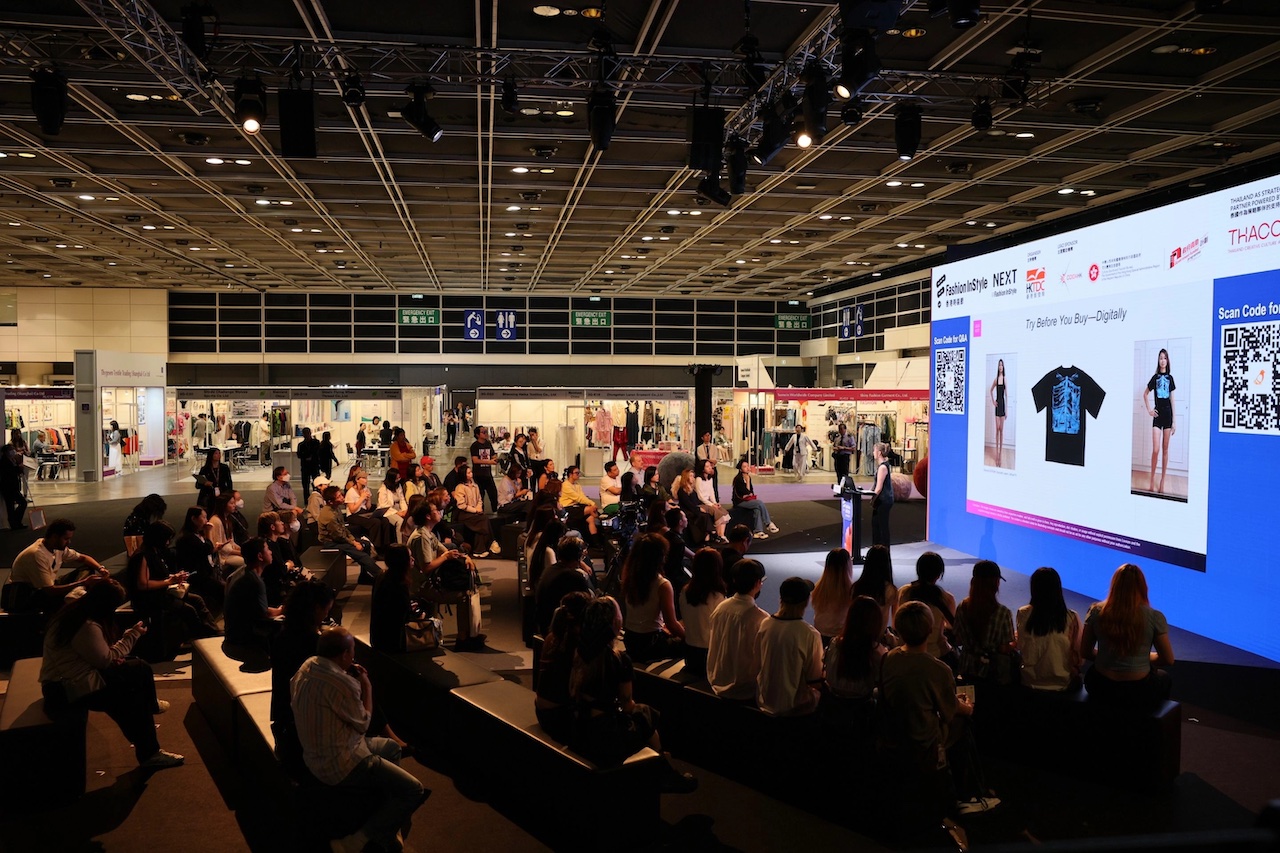
The value of Fashion InStyle extends far beyond the exhibition floor. A robust seminar program will address the "forces of change" currently reshaping the market. Key topics scheduled for the 2026 sessions include:
- The Regulatory Landscape: Navigating new global standards for sustainable production and carbon accounting in textiles.
- Technological Integration: How AI-driven design and 3D printing are shortening the supply chain.
- Supply Chain Resilience: Insights into sourcing strategies in an era of geopolitical and environmental volatility.
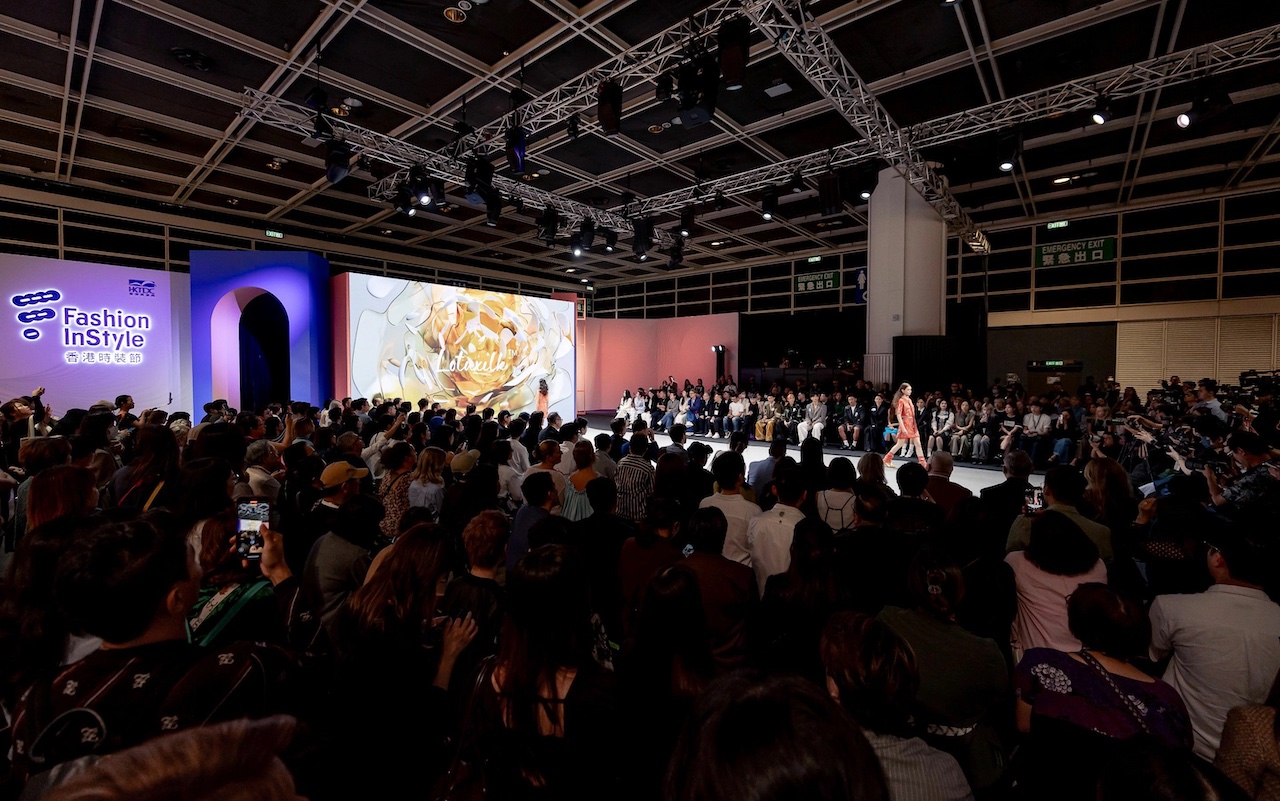
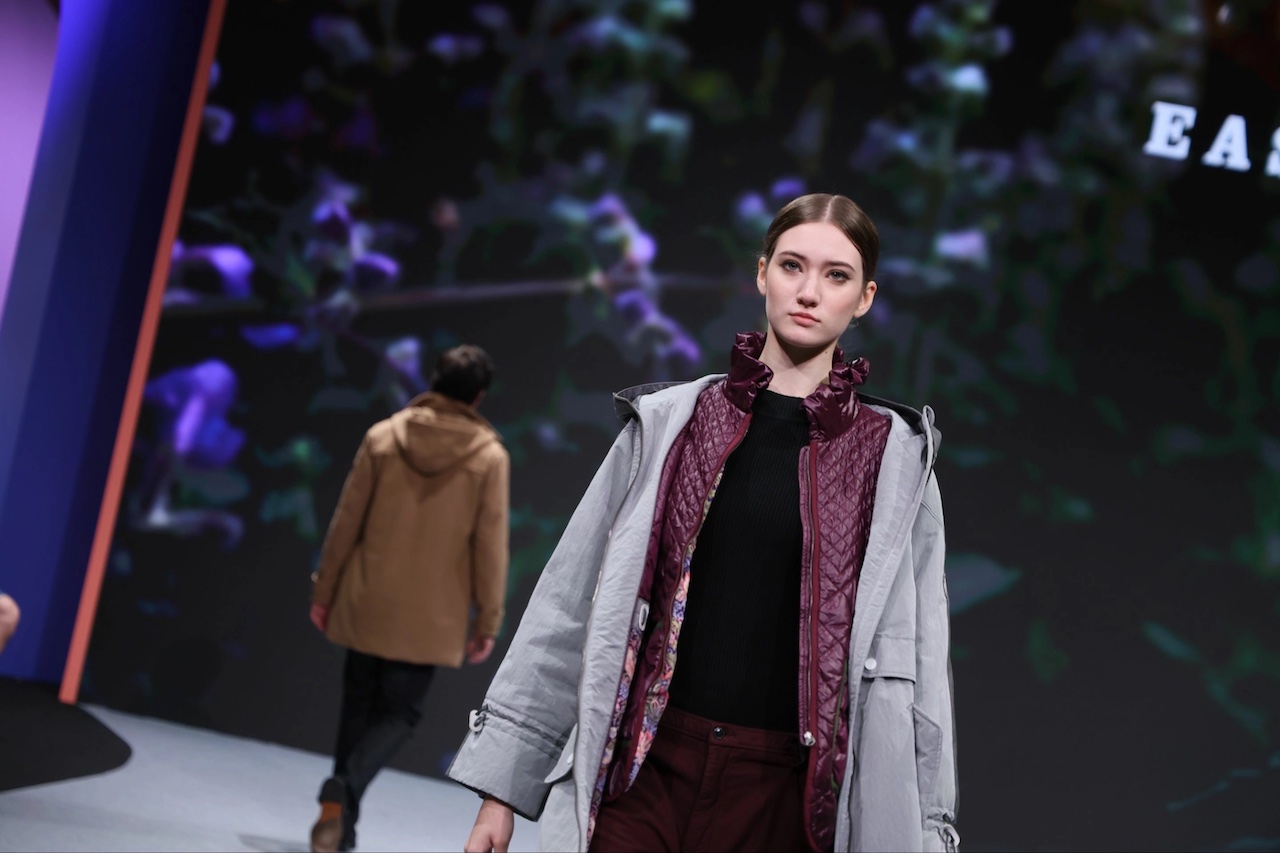
Furthermore, the scheduled fashion parades serve as "living lookbooks," allowing designers to demonstrate how these experimental fabrics drape, move, and hold shape in real-world conditions. This is essential for international buyers who must evaluate both the aesthetic and the functional reliability of new materials before committing to large-scale procurement.
Implications: A Broader Ecosystem of Sourcing
The decision to host Fashion InStyle alongside the Home InStyle and the Hong Kong Gifts & Premium Fair is a deliberate strategic move by the HKTDC. By creating a multi-industry cluster, the event facilitates a unique "cross-pollination" of sourcing. A buyer seeking eco-friendly packaging solutions for a fashion brand can now engage with exhibitors at the Gifts & Premium Fair, while also sourcing high-tech textiles at Fashion InStyle.
This creates an efficient, one-stop-shop environment that reduces the carbon footprint of the sourcing process itself. Instead of multiple international trips, buyers can access a wide spectrum of the supply chain in a single visit, reflecting the very sustainability ethos the fair promotes.
The Hybrid Advantage
The "EXHIBITION+" model ensures that the impact of the fair is not limited to those physically present in Hong Kong. Through the hktdc.com Sourcing platform, the dialogue initiated in April can continue for weeks afterward. This is critical for SMEs (Small and Medium Enterprises) that may not have the resources for frequent travel but are essential players in the innovation pipeline.
Conclusion: Redefining the Next Chapter
NEXT@Fashion InStyle 2026 is a reflection of an industry in transition. It is moving away from the "fast-fashion" cycles of the early 21st century toward a model defined by circularity, material science, and cultural integrity.
By centering the conversation on material innovation, the HKTDC is not just hosting a market; they are hosting a manifesto. The success of the participating designers—who are effectively acting as R&D departments for the industry—suggests that the future of fashion will be one where performance and planet-positive practices are indistinguishable.
As we look toward April 2026, the global fashion community faces a choice: to continue with legacy methods or to embrace the "Fashion Shock" of new materials. For those who choose the latter, the HKCEC will be the definitive place to start.
For further information or to register for the upcoming sessions, visit: