It has been nearly five years since Daniel Craig’s James Bond exited the cultural stage with a definitive, explosive finality in No Time to Die. Since that fateful missile strike on a remote island, the tuxedo has hung empty in the closet of cinematic history. For fans and industry analysts alike, the question of "Who is next?" has evolved from a parlor game into an obsessive, high-stakes industrial pursuit.
We may finally be approaching the moment of truth. Amazon MGM Studios, now the primary architect of the Ian Fleming spy franchise, is deep into a methodical, multi-stage search for the next face of 007. With a shortlist that spans rising dramatic talents like Callum Turner and Jack Lowden to established stars like Jacob Elordi, the process is unprecedented in its scope. This is not merely a casting call; it is a total reimagining of the world’s most successful spy franchise, now operating under a vastly different corporate and creative structure.
A Shift in the Shadow of the Broccoli Legacy
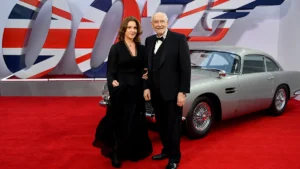
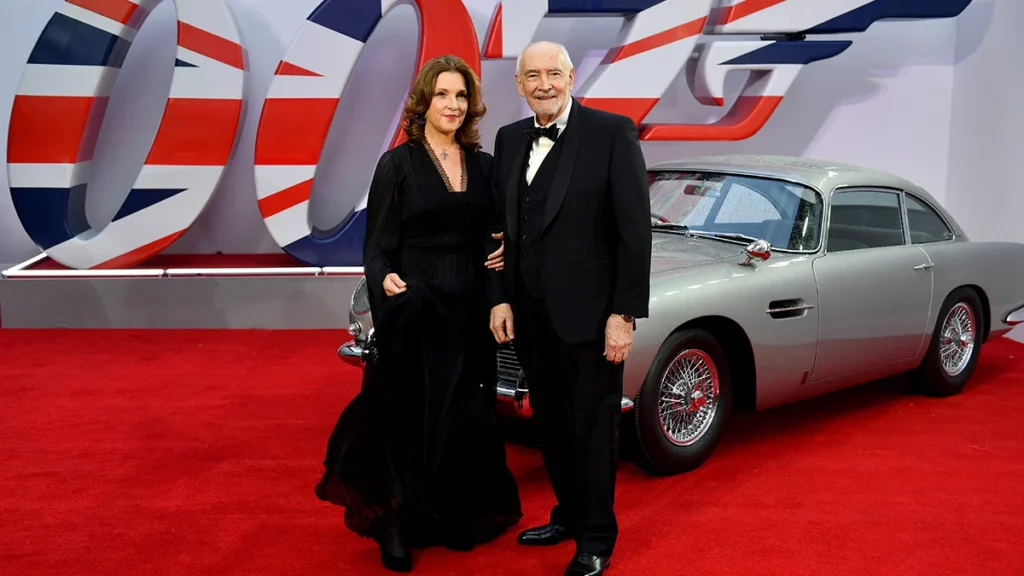
For nearly six decades, the James Bond franchise was the quintessential "family affair." Albert "Cubby" Broccoli helped launch the cinematic legend in the 1960s, and his daughter, Barbara Broccoli, alongside her stepbrother, Michael G. Wilson, served as the gatekeepers of the 007 mythos through the eras of Timothy Dalton, Pierce Brosnan, and Daniel Craig.
However, the landscape shifted dramatically in 2025. While Amazon’s $8.5 billion acquisition of MGM in 2021 signaled a new direction, the deal initially left creative control in the hands of the Broccoli-Wilson team. That arrangement changed in 2025 when Amazon MGM Studios and the Eon production team formed a new joint venture. Following a $1 billion capital injection from Amazon, the creative keys were officially turned over to a new leadership committee.

This transition marks a definitive break from the "Broccoli era." The decision-making power now rests with a high-profile collective led by visionary director Denis Villeneuve—who has been tapped to helm the 26th official Bond film—alongside renowned casting director Nina Gold and producers Amy Pascal and David Heyman. This shift represents the most significant structural change in the franchise’s history, moving the decision-making process away from a familial legacy toward a studio-driven, prestige-focused cinematic model.
The Architectural Blueprint: The Team Behind the Lens
The next iteration of James Bond is being constructed with the same meticulous attention to detail that defined Villeneuve’s Dune epics. The production hierarchy is as follows:
- Director: Denis Villeneuve, whose command of large-scale, atmospheric cinema suggests a shift toward a more serious, grounded, and visually arresting Bond.
- Screenwriter: Steven Knight, the creator of Peaky Blinders, whose track record of gritty, character-driven television is expected to breathe new, complex life into the 007 persona.
- Casting Director: Nina Gold, a master of ensemble casting with an impeccable resume that includes Game of Thrones, The Crown, and Conclave.
- Producers: Amy Pascal and David Heyman, two of the industry’s most formidable producers, who are tasked with ensuring the financial and critical success of the project.
The development cycle gained significant momentum in 2025, with the formal search for the lead actor commencing in the spring of 2026. According to industry insiders at Deadline, the production schedule is aggressive: filming is slated to commence in 2027, with an eye toward a 2028 global release.
Chronology of the Search: From Speculation to Selection
The search for a successor to Daniel Craig has been defined by three distinct phases:

- The Rumor Phase (2021–2024): Immediately following No Time to Die, the public and press speculated wildly. Names like Idris Elba, Henry Cavill, and Regé-Jean Page dominated headlines, fueled by fan-driven polls and betting odds rather than studio activity.
- The Structural Shift (2025): The formation of the new joint venture and the hiring of Villeneuve, Pascal, and Heyman transitioned the search from a passive observation to an active executive hunt.
- The Formal Audition Phase (2026–Present): With Nina Gold leading the charge, the studio moved to formal screen tests. While Amazon has remained tight-lipped, confirming only that the search is "underway," it is widely believed that the first round of auditions has concluded, and the final pool of contenders is currently being vetted.
The "American" Question and the Cultural Barometer
The shift to an American-led studio has naturally prompted the question: Could we see an American 007? While the franchise is deeply rooted in British identity, the global nature of modern media has led to speculation about actors like Austin Butler, Glen Powell, or Miles Teller.
However, industry sentiment remains overwhelmingly in favor of maintaining the British (or at least Commonwealth) status quo. Even the potential American contenders have been quick to dismiss the possibility. Austin Butler has publicly labeled the idea "sacrilegious," while Glen Powell joked that "a Texan should not play James Bond." Even Amazon’s Jeff Bezos, who occasionally fuels the fire with social media polls, seems to recognize that the soul of the character is inextricably linked to its British roots.
Profiles of the Leading Contenders
While no official shortlist has been released, the following actors represent the most credible contenders currently under consideration:
1. Jack Lowden
The Scottish star of Slow Horses has become the front-runner in many circles. His co-star Gary Oldman recently hinted that the choice has already been made, fueling speculation that Lowden’s nuanced performance as River Cartwright is exactly the blend of vulnerability and toughness the new team is seeking.

2. Callum Turner
A perennial favorite in the Bond conversation, Turner possesses the classic "leading man" look combined with the action chops required for the role. Having starred in Masters of the Air, he has the stamina and the screen presence to carry a multi-film franchise.
3. Jack Barton
The dark horse of the group. At 31, Barton is less recognizable than his peers, which is precisely his advantage. His previous work with Steven Knight on SAS: Rogue Heroes provides a direct pipeline to the writing room, making him a "discovery" candidate.
4. Jacob Elordi
The most "movie star" of the bunch. Elordi’s trajectory from Euphoria to prestige projects like Priscilla and Saltburn proves his versatility. Casting him would signal a move toward a younger, more globally magnetic Bond, though his high profile may be a double-edged sword.
5. Harris Dickinson
Dickinson represents the perfect middle ground. With roles in Triangle of Sadness and The King’s Man, he is a proven talent with an established rapport with action, yet he lacks the "baggage" of being an A-list household name, allowing the audience to believe in the character rather than the celebrity.

6. Paul Mescal
Perhaps the most unexpected choice, Mescal represents a "prestige" pivot. Following his success in Gladiator II, his star power is undeniable. While he is not a traditional action hero, his ability to portray internal conflict could lead to a more introspective, modern Bond.
7. Tom Francis
Reported to have auditioned earlier this year, Francis is the ultimate wildcard. His background in theater and his relative anonymity suggest that the new creative team is prioritizing acting range over box-office track records.
Official Responses and Strategic Secrecy
Amazon and the producers have maintained a wall of silence, a strategy that is as much about branding as it is about negotiation. By refusing to confirm or deny the involvement of specific actors, the studio preserves the "myth" of the character. As Amy Pascal noted in a recent interview, the team is being "really, really methodical." This indicates a desire to avoid the "leaks" that plagued previous casting cycles.
The goal is to announce the new Bond with a curated, high-impact reveal that resets the audience’s expectations and centers the actor within the new, gritty world Villeneuve is building.

Implications for the Future of 007
The implications of this search are profound. By moving away from the Broccoli-led tradition, the franchise is effectively shedding its skin. We are likely to see a version of Bond that is less reliant on the "gadget-heavy" spectacles of the past and more focused on the psychological toll of state-sanctioned espionage.
The choice of director Denis Villeneuve suggests that the 26th film will emphasize scope, tension, and a cinematic language that favors long, immersive takes over rapid-fire editing. This is a bold gamble. It acknowledges that in an era dominated by superhero franchises and high-concept sci-fi, James Bond must offer something distinct: a return to the "prestige thriller."
As the end of 2026 approaches, the industry watches with bated breath. Whether the choice falls on a seasoned veteran like Lowden or a complete newcomer like Francis, one thing is clear: the era of the "old" Bond is over, and the era of the "Amazonian" 007 is ready to begin. The wait for the next face of the franchise is, in itself, the final act of a long and storied chapter, preparing the stage for a new, and perhaps more dangerous, secret agent.