
By: Editorial Desk
For the well-travelled, few experiences rival the sophisticated embrace of a Swiss winter. As the mercury drops and the landscape transforms into a cathedral of white, Switzerland reveals a facet of itself that is both ancient in its traditions and modern in its luxury. From the icy, crystalline air of the high-altitude glaciers to the warm, amber glow of candlelit mountain villages, the Swiss Alps represent the pinnacle of seasonal indulgence.
This is not merely a holiday; it is an immersion into a culture of excellence, where world-class hospitality meets the raw, unbridled majesty of nature. For those seeking to curate an unforgettable winter itinerary, we explore four destinations that serve as the custodians of Alpine magic.
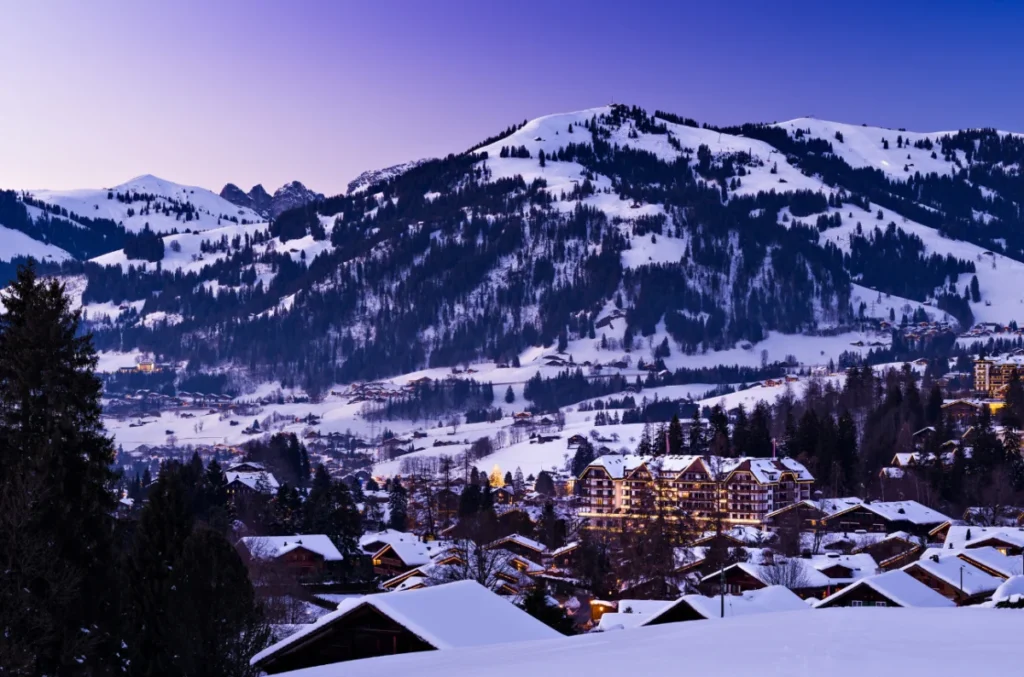
The Billionaire’s Playground: Gstaad
A Sanctuary of Discreet Luxury
Gstaad has long held the reputation as the snow-dusted playground for the world’s elite—a place where privacy is the ultimate currency and the Alpine outdoors remain blissfully unspoiled. Unlike the frantic energy of other ski hubs, Gstaad moves at a measured, graceful pace.
The Landscape and Thrills
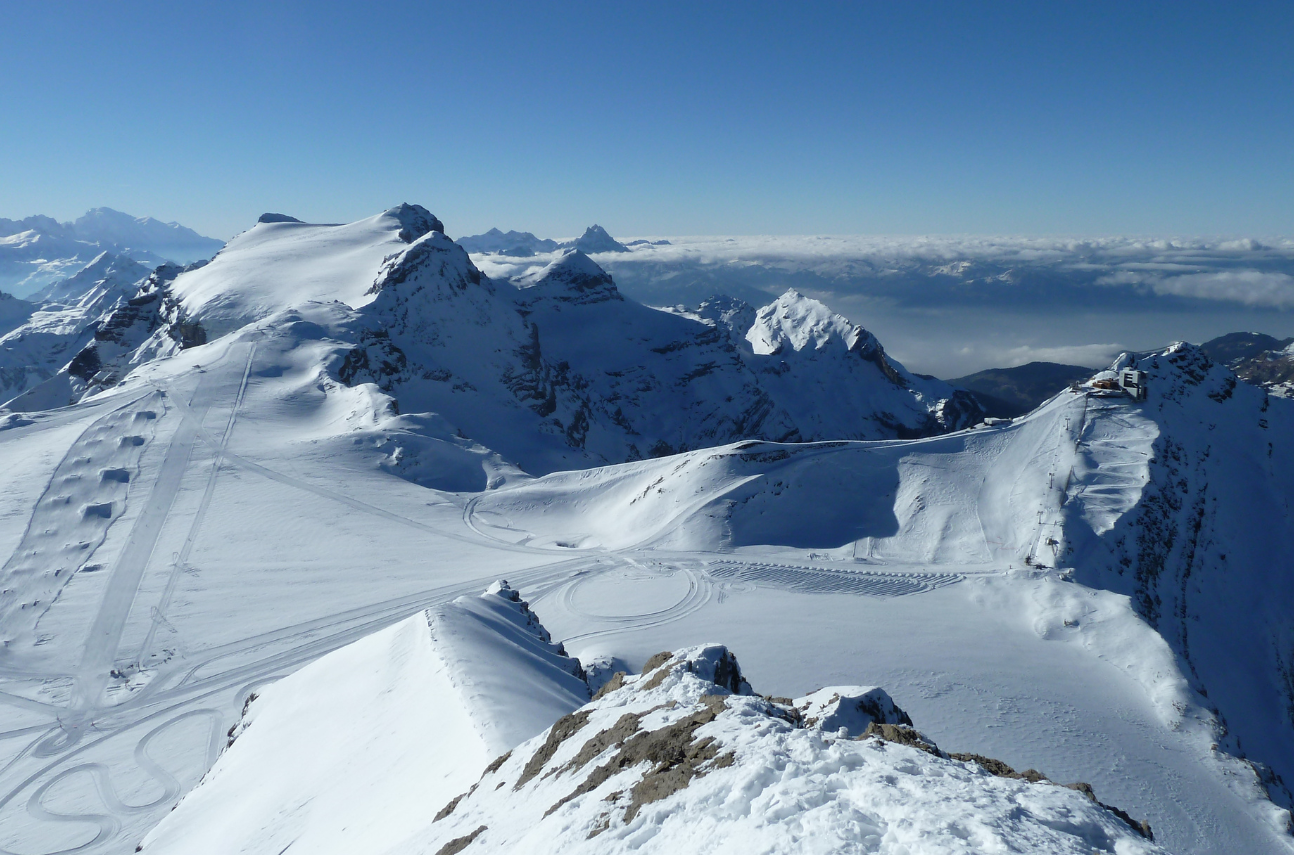
The region is a sprawling expanse of adventure, boasting three distinct ski areas, expansive cross-country trails, and hidden winter hiking paths. However, the crown jewel remains Glacier 3000. Accessible by a breathtaking 15-minute cable car ride from the valley floor, the summit station sits at a staggering 3,000 meters. Here, the panorama is nothing short of transcendent, offering unobstructed views of the Eiger, the Jungfrau, and the distant, shimmering peak of Mont Blanc.
For those who equate travel with adrenaline, the Peak Walk by Tissot offers the world’s first suspension bridge connecting two mountain summits—a dizzying, exhilarating feat of engineering. For a more tactile connection to the landscape, visitors may opt for a traditional dogsledding excursion, gliding silently across the glacial expanse.
Apres-Ski and Retail Therapy
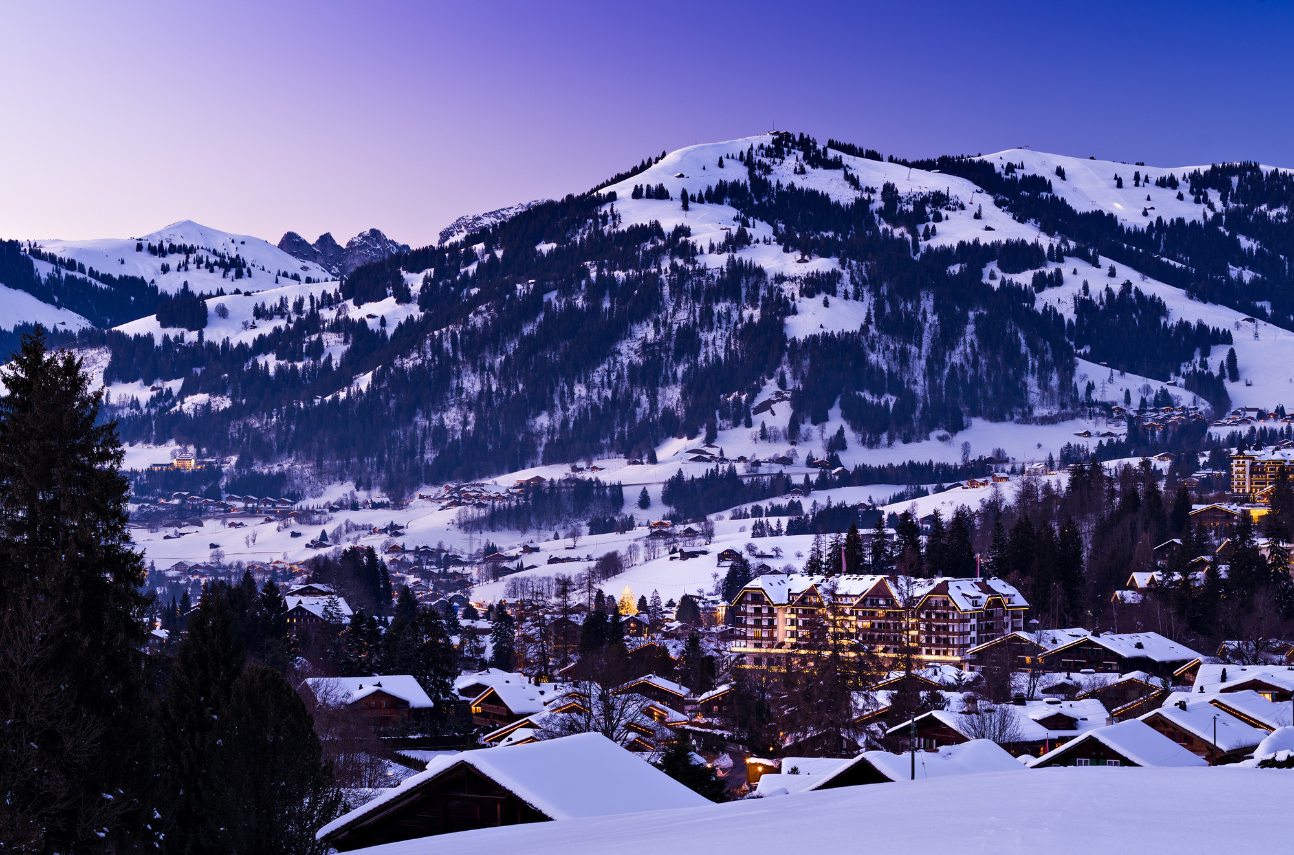
Back in the village, the architecture remains quintessentially chalet-style, yet the offerings are globally cosmopolitan. A stroll through the village reveals an array of high-fashion outposts—Hermès, Prada, and Louis Vuitton—nestled comfortably alongside traditional mountain bistros.
Accommodation Highlight
The Ultima Hotel Gstaad serves as an intimate anchor for visitors. Blending five-star sophistication with the warmth of a private residence, the property is currently elevating its culinary offering by hosting a seasonal pop-up of the world-renowned Japanese fusion restaurant, Zuma, available through March 2026.
The Iconic Ascent: Zermatt
Where the Matterhorn Defines the Horizon
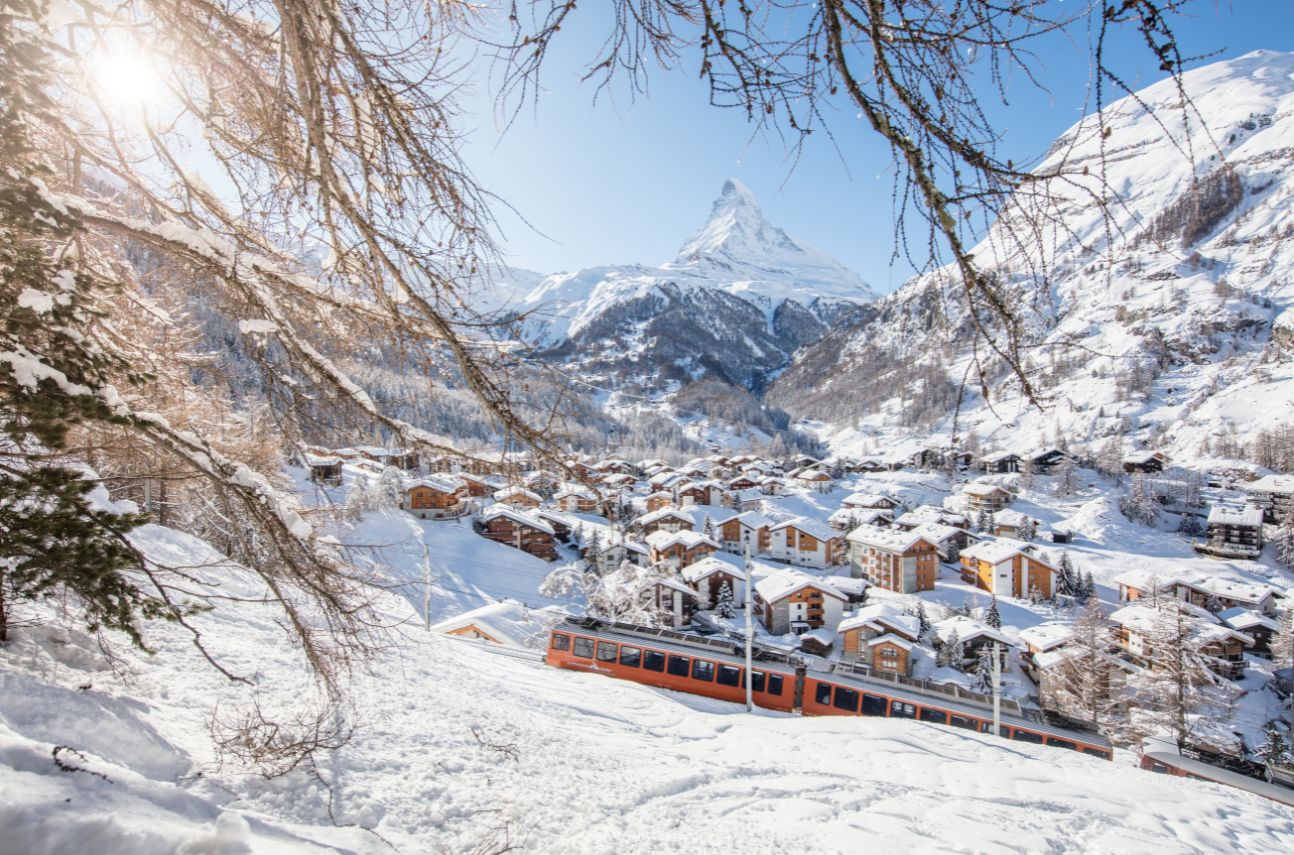
Zermatt is, in many ways, the definitive Alpine village. Dominated by the silhouette of the Matterhorn—the most photographed mountain in the world—the village is a testament to the enduring allure of mountaineering heritage.
The Matterhorn Alpine Crossing
Innovation defines the modern Zermatt experience. The introduction of the Matterhorn Glacier Ride II gondola has revolutionized regional travel, allowing guests to undertake the Matterhorn Alpine Crossing. This seamless journey transports passengers from Europe’s highest cable car station (3,883m) over vast, glittering glaciers directly into the Italian town of Cervinia. It is a cross-border expedition that marries Swiss precision with Italian dolce vita.
Cultural Immersion
Beyond the slopes, the village remains car-free, preserving an air of tranquility rarely found in major tourism hubs. The Matterhorn Museum – Zermatlantis offers a profound look at the village’s history, moving beyond the postcard imagery to tell the stories of the brave mountaineers who first conquered the local peaks.
Culinary and Stay
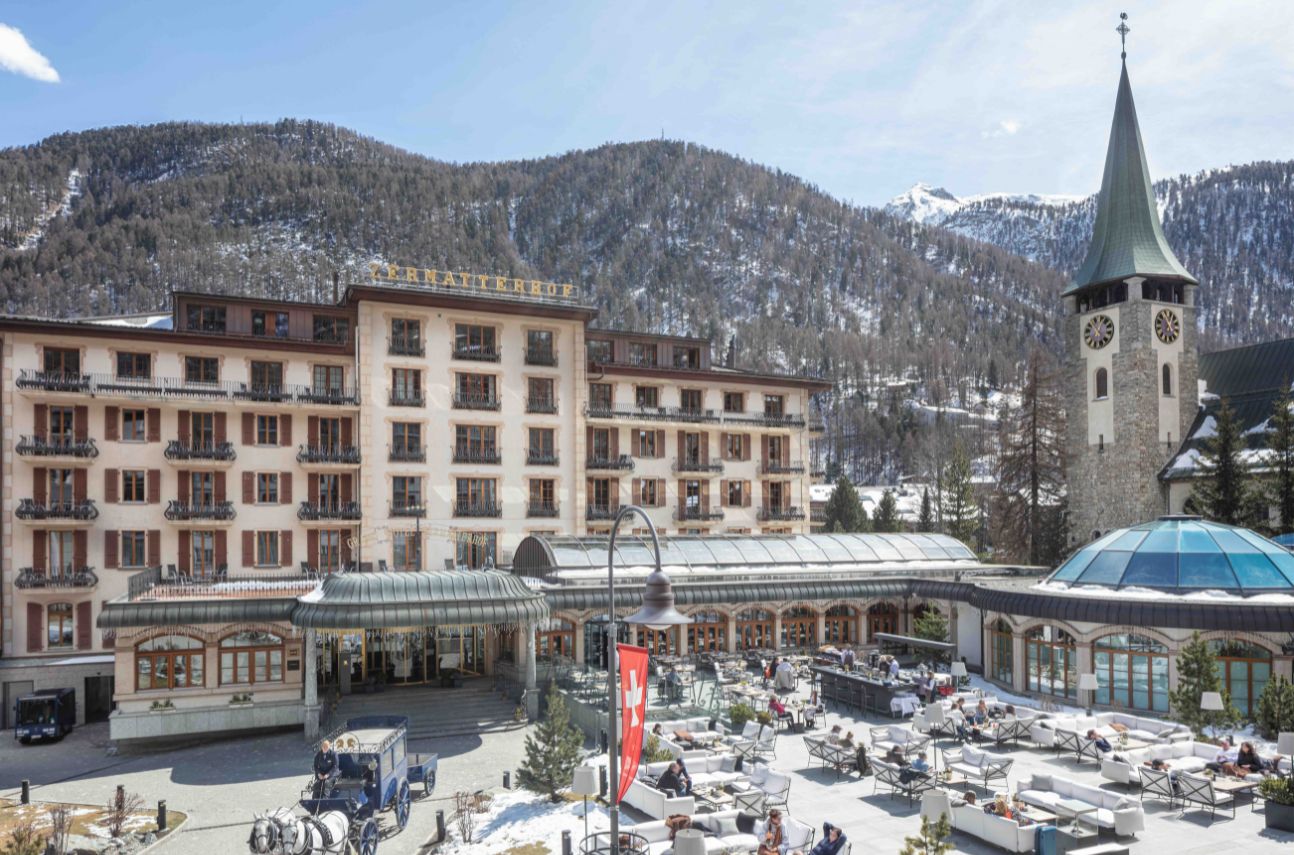
Gastronomy is a serious pursuit in Zermatt. Restaurants like Madre Nostra exemplify the shift toward refined Italian-Alpine fusion. For the quintessential arrival experience, one must arrive via horse-drawn carriage at the Grand Hotel Zermatterhof. A holder of the prestigious one-Michelin Key, the hotel’s newly renovated spa provides the perfect sanctuary to unwind after a day navigating the glacial pistes.
The Birthplace of Glamour: St. Moritz
The "Champagne Climate" of the Engadin
St. Moritz does not merely participate in winter tourism; it invented it. Since the 19th century, this Engadin valley town has been the epicentre of Alpine social life, setting the global standard for winter glamour.
Supporting Data: The Power of Atmosphere
Meteorologists and luxury travellers alike often cite the region’s "champagne climate"—a unique combination of dry air, high altitude, and a rare frequency of sunshine that gives the light a crystalline quality. This clarity has long attracted photographers and artists, cementing the town’s status as a visual masterpiece.
Events and Legacy
St. Moritz is a place of grand tradition, having hosted the Winter Olympics twice. It remains the home of the legendary Cresta Run and the White Turf horse races held on the frozen lake. During the winter, the lake surface transforms into a multifunctional arena, hosting everything from high-stakes polo matches to temporary art pavilions that cater to the global jetset.
Refined Retreats
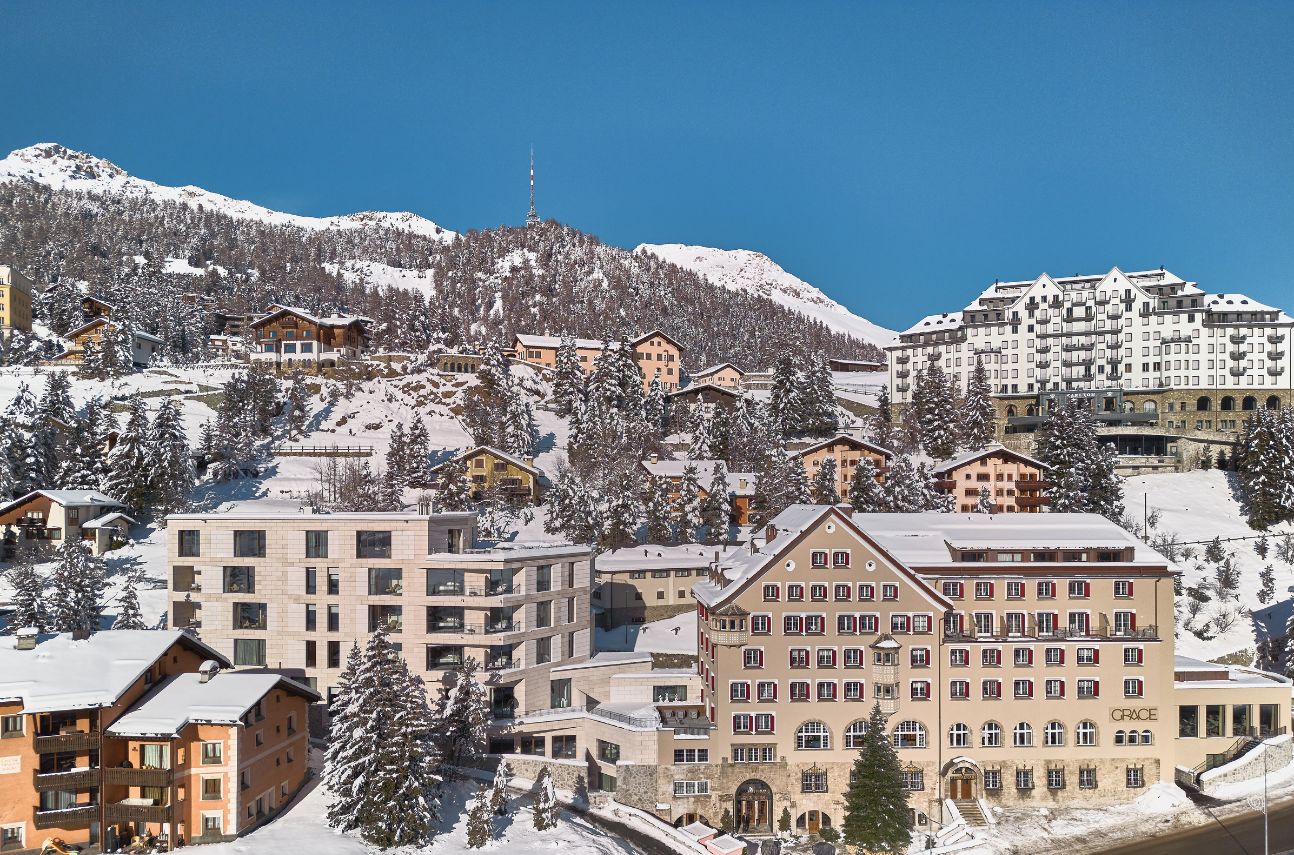
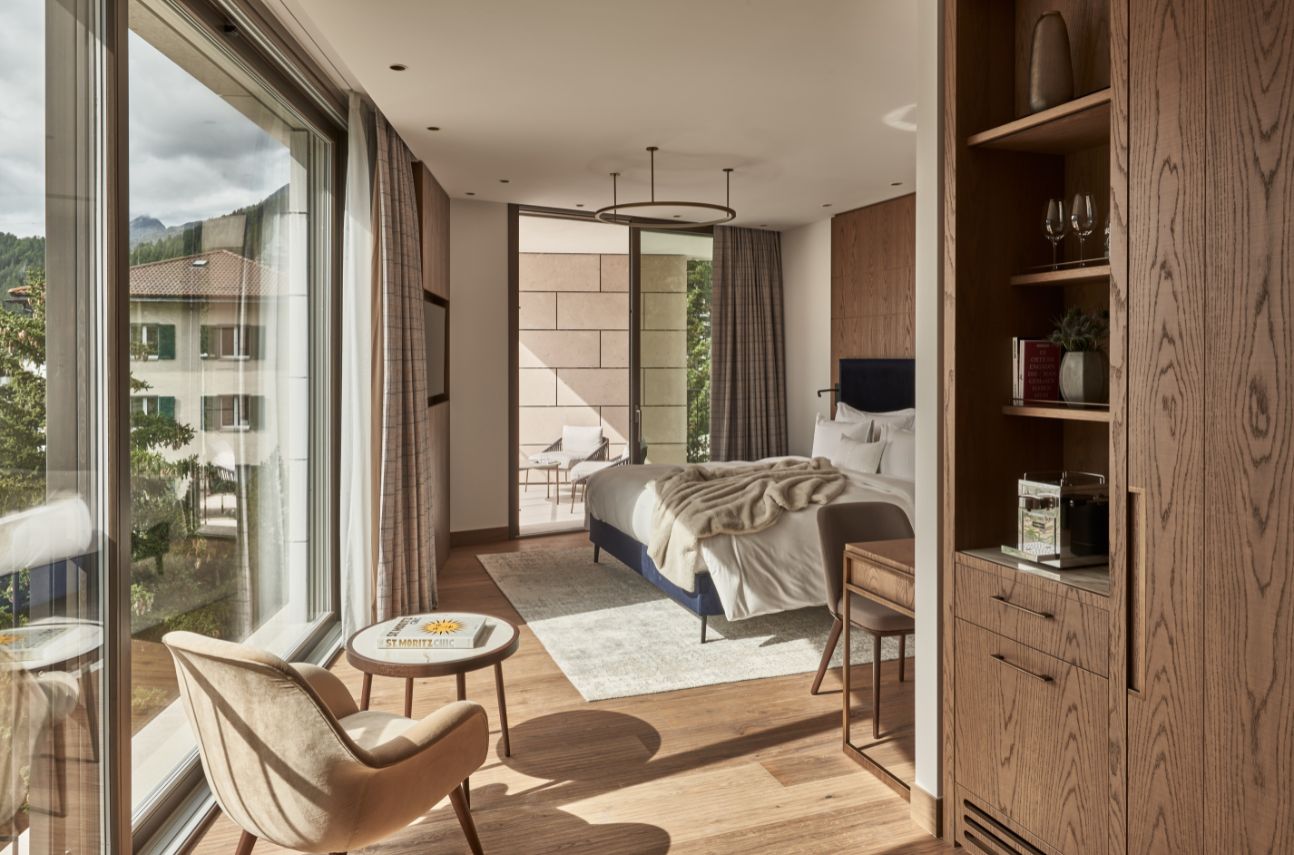
While the town is synonymous with high-octane luxury, it maintains pockets of charming simplicity. The Kulm Pizzeria, recognized by GaultMillau, offers a grounded, wood-fired culinary experience that contrasts beautifully with the town’s more opulent dining rooms. For those seeking an intimate base, the Grace La Margna offers a serene, light-filled environment with sweeping views of the valley, emphasizing understated luxury over overt display.
The Cultural Festive Hub: Lausanne
Where Belle Epoque Meets Contemporary Art
For travellers who prefer the sophistication of an urban environment over the isolation of the high mountains, Lausanne serves as the premier festive destination.
The Bo Noël Experience
During the year-end season, the city undergoes a metamorphosis. The Bo Noël Christmas Market blankets the city center, utilizing chalet-style architecture to create an immersive, nostalgic atmosphere. It is here that the festive spirit is most palpable, with artisanal crafts and local delicacies providing a sensory delight for visitors.
Artistic Implications
Lausanne is increasingly asserting itself as a cultural powerhouse. The development of Plateforme 10, a dedicated arts district, has centralized the city’s creative institutions, including the MCBA (Fine Arts), mudac (Design), and Photo Elysée. This district allows for a perfect afternoon of intellectual exploration, protected from the winter chill.
The Grande Dame: Beau-Rivage Palace
No visit to Lausanne is complete without considering the Beau-Rivage Palace. A bastion of Belle Epoque elegance, the hotel overlooks the serene waters of Lake Geneva. Its culinary crown is the two-Michelin-starred Pic au Beau-Rivage Palace, where Chef Anne-Sophie Pic delivers inventive, nature-inspired dishes. The property’s Guerlain Spa provides a final, luxurious layer to the Lausanne experience, functioning as a cocoon of wellness.
Chronology of the Swiss Winter Season
To best plan a Swiss winter escape, travellers should consider the distinct "rhythms" of the season:
- Early December: The arrival of the festive markets (particularly in Lausanne) and the opening of the initial ski lifts. This period is characterized by a "soft" start, ideal for those seeking lower crowd density.
- Late December to Early January: The peak of the festive season. Resorts like Gstaad and St. Moritz are at their most vibrant, with gala dinners and high-end social calendars in full swing.
- February: The height of the "Champagne Climate." Conditions are optimal for winter sports, and the frozen lakes (such as in St. Moritz) are at their most active for equestrian and social events.
- March: The "Spring Skiing" window. The days grow longer, the sun is stronger, and the terrace dining culture reaches its zenith before the season begins to taper off.
Implications for the Modern Traveller
The modern Swiss winter is shifting. While the traditional "ski-only" holiday remains popular, there is a clear trend toward experiential luxury. Today’s traveller is less interested in purely athletic achievement and more focused on the synthesis of wellness, culinary excellence, and cultural discovery.
Official responses from Swiss tourism boards indicate a continued commitment to sustainability, ensuring that the fragile Alpine ecosystem remains preserved for future generations. This is reflected in the increased use of electric transport within car-free villages like Zermatt and the prioritization of locally sourced, farm-to-table gastronomy in high-end hotels.
Ultimately, a festive Swiss escape is an investment in quality. Whether it is the quiet, snow-muffled streets of Zermatt or the sun-drenched, high-fashion avenues of St. Moritz, the country offers a unique form of "Alpine Alchemy"—a way of turning the cold, dark months of winter into a period of profound warmth, renewal, and refined celebration.