

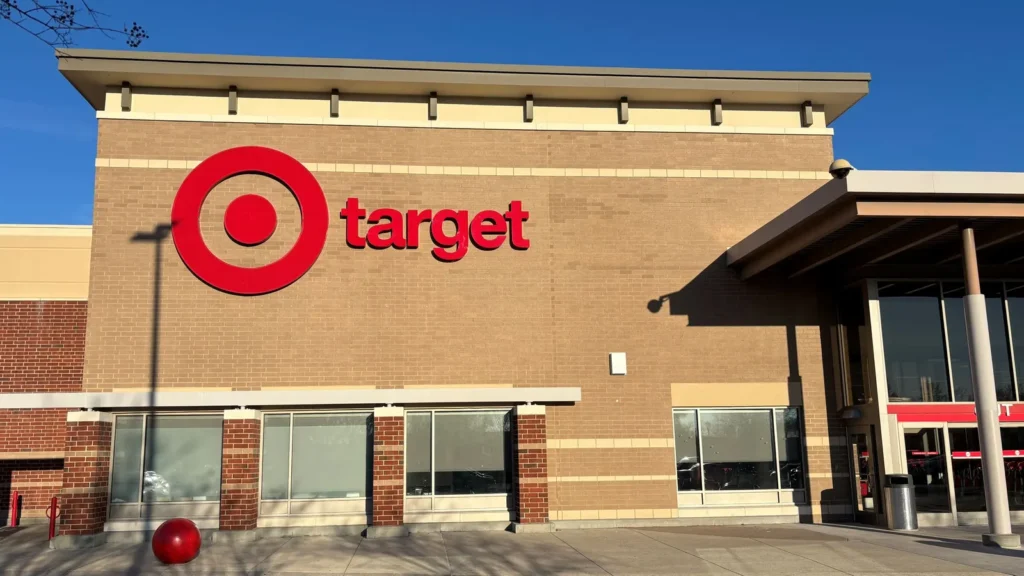
In an era where many brick-and-mortar retailers are retreating from physical footprints, Target Corporation is doubling down. The retail giant recently underscored its commitment to an ambitious, decade-long expansion strategy, aiming to launch over 300 new stores by 2035. This expansion is not merely a numbers game; it is a meticulously calibrated effort to refine the brand’s physical presence, integrate advanced technology, and capture untapped market segments ranging from high-income suburban enclaves like the Hamptons to rapidly growing regional hubs.
As Target continues to execute this aggressive growth phase, the retail industry is watching closely. With a fresh infusion of capital—$1 billion in supplemental investments added to a baseline $5 billion expenditure plan—the company is positioning itself to be more than just a place to shop; it is evolving into a tech-enabled, multi-functional retail ecosystem.
The Strategic Blueprint: Growth and Modernization
Target’s expansion strategy rests on three pillars: physical reach, store design innovation, and operational efficiency. The company is currently mid-stride in a massive initiative to modernize its existing fleet while simultaneously planting flags in new territory.
A Focus on Scale and Geography
The recent announcement of new store openings, including a highly anticipated location in the Hamptons, highlights Target’s focus on high-traffic, high-visibility markets. A notable detail of the recent October launch cycle is the scale: seven of the eight newly opened stores exceed 125,000 square feet. This shift toward larger-format stores allows the retailer to offer a broader inventory, including expanded grocery selections and dedicated space for its "store-within-a-store" partnerships.
Capital Expenditure and Financial Commitment
The decision to invest an additional $1 billion this year is a significant vote of confidence in the brick-and-mortar model. This capital is earmarked for:
- New Store Construction: Ensuring a consistent pipeline of openings to reach the 300-store goal by 2035.
- Remodeling Initiatives: 130 locations are slated for comprehensive overhauls in 2026, incorporating the latest design aesthetics and efficient floor plans.
- Technological Integration: Enhancing the "smart store" experience through AI-driven inventory management and streamlined checkout processes.
- Logistics Upgrades: Expanding next-day delivery capabilities to 20 additional metro areas, effectively turning the physical store into a hybrid fulfillment center.
Chronology: A Trajectory of Growth
Target’s recent expansion is not a sudden pivot but the culmination of a multi-year effort to fortify its competitive advantage.
- Early 2026: Reaching the 2,000-Store Milestone: Target officially crossed the threshold of 2,000 locations in Fuquay-Varina, North Carolina. This store served as a prototype for the company’s future, featuring an open-layout design and a food and beverage department 30% larger than the average historical store.
- Spring 2026: The Momentum Continues: Following the North Carolina milestone, the company accelerated its rollout, announcing six additional store openings in May across Arizona, Missouri, New Jersey, and North Carolina.
- Summer 2026: Q2 Financial Success: The expansion strategy was validated by a strong second-quarter performance. Target reported a 5.3% increase in net sales to $26.5 billion, with comparable sales rising 3.8%. Perhaps most impressively, net earnings surged by over 100%, reaching nearly $1.9 billion.
- Fall 2026: Scaling the Strategy: The late-year wave of openings, including the Hamptons location, demonstrates that the company is not deterred by macroeconomic fluctuations, maintaining a steady pace of development.
Supporting Data: Why Physical Stores Still Matter
Critics of big-box retail often point to the rise of e-commerce as a threat to physical stores. However, Target’s data suggests that physical locations act as the primary engines for its digital success.
The "Store-as-Hub" Model
Target’s strategy leverages its physical stores to lower the cost of digital fulfillment. By utilizing stores as local distribution centers, the company significantly reduces the "last-mile" shipping cost compared to centralized warehouse models. The expansion of next-day delivery services to 20 new metro areas is made possible only because these stores exist in close proximity to the customer.
Revenue Performance
The Q2 earnings report provides a clear narrative: the investments in stores, remodels, and technology are driving sales. A 3.8% increase in comparable sales during a time of general economic caution suggests that customers are responding positively to the modernized shopping environment. The focus on "beauty and hardlines" merchandise—areas that often benefit from physical browsing—has proven particularly lucrative.
Official Responses and Executive Vision
Target leadership emphasizes that these stores are not just warehouses for goods; they are experiential spaces designed to cultivate customer loyalty.
"These new stores give our teams the tools and environments to bring our merchandising strengths to life, create easier and more inspiring shopping experiences, and use technology to move smarter and faster every day," said Adrienne Costanzo, chief stores officer at Target.
This sentiment reflects a corporate culture that views the physical store as a "third space"—a location that bridges the gap between digital convenience and the tactile, sensory experience of shopping in person. By focusing on "inspiring" shopping experiences, Target is attempting to differentiate itself from discount-only retailers by adding a layer of curated lifestyle shopping to the convenience of a one-stop-shop.
Implications for the Future of Retail
Target’s 300-store expansion plan has profound implications for the retail landscape, signaling a potential shift in how legacy retailers view their future.
The Death of the "Dead Mall" Narrative
While many retailers have shuttered locations to survive, Target’s expansion suggests that the problem was never the physical store itself, but the lack of adaptation. By investing in larger, more efficient, and tech-forward designs, Target is proving that physical retail remains a high-growth sector if the stores are optimized for the modern shopper’s lifestyle.

Competitive Pressure
As Target increases its footprint, competitors in the mid-market space, such as Walmart and regional department stores, will face increased pressure to either match this level of capital investment or risk losing market share. Target’s ability to successfully integrate groceries, home goods, and tech-heavy fulfillment into a single footprint makes it a formidable adversary for both pure-play online retailers and traditional grocery chains.
The Role of Technology
The mention of "moving smarter and faster" via technology hints at a future where the store layout itself could change based on real-time data. AI-driven replenishment, dynamic shelf-labeling, and advanced mobile-app integration are becoming standard at Target. These are not just perks for the customer; they are data-collection points that allow Target to optimize its supply chain with surgical precision.
Long-term Resilience
By committing to 2035 as a benchmark for its 300-store expansion, Target is signaling long-term stability to investors. In an uncertain global economy, the company’s ability to pair steady, incremental growth with massive, headline-grabbing infrastructure projects provides a sense of reliability that few other retailers can offer.
Conclusion
Target is not simply adding more square footage to its portfolio; it is meticulously constructing a retail network designed for the next generation of consumption. By blending the physical experience with the speed of digital commerce, the company is creating a moat that is increasingly difficult for competitors to cross.
As the retailer marches toward its 2035 goal, the success of these new locations—from the high-end markets of the Hamptons to the suburban sprawl of North Carolina—will serve as a bellwether for the health of the broader American retail economy. For now, Target has set a clear path forward: one that values the tangible, the immediate, and the innovative, proving that for those willing to invest, the physical store is not a relic of the past, but the cornerstone of the future.