For decades, the concept of a "wellness retreat" has oscillated between two extremes: the ascetic, boot-camp-style deprivation of legendary outposts like The Ashram, and the high-tech, data-obsessed clinics that promise biological optimization through relentless blood testing and clinical diagnostics. However, a quiet revolution is taking place just 50 minutes outside of Manhattan. At The Ranch Hudson Valley, the goal isn’t to fix a machine; it’s to reconnect a human.
The Setting: History Meets Holistic Health
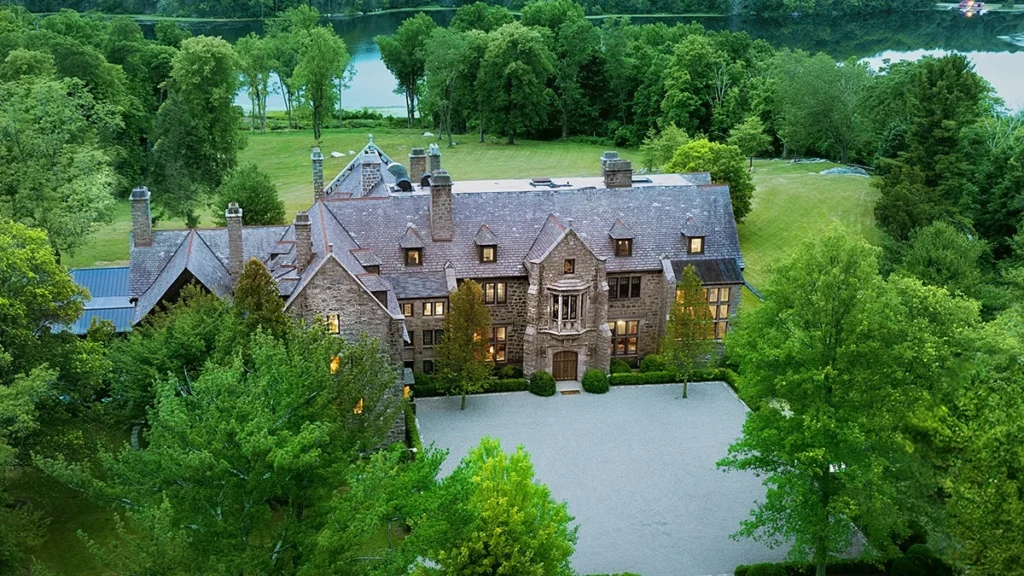
The Ranch Hudson Valley is anchored by Table Rock, a sprawling 40,000-square-foot estate originally constructed in 1904. Built as a country home for William Pierson Hamilton—the great-grandson of Alexander Hamilton—and his wife, Juliet Pierpont Morgan, the daughter of the titan J.P. Morgan, the estate exudes a Gilded Age grandeur that feels worlds away from the sterile environment of a modern spa.
In 2023, The Ranch acquired the property and its 200 surrounding acres. By 2024, the estate had been transformed into an East Coast sanctuary that balances the historical weight of its architecture with the rigorous, movement-based programming that made its Malibu predecessor a global benchmark for wellness.
The experience of arriving at Table Rock is intentionally intimate. Guests—affectionately known as "Ranchers"—are assigned named rooms; my own quarters, tucked beneath a third-floor gable, was simply called "Ranger." The absence of traditional hotel keys and the use of walkie-talkies for staff-guest communication cultivate an atmosphere that feels less like a resort and more like an exclusive, well-appointed house party for those seeking a profound reset.

A Chronology of the Ranch Experience
The program at The Ranch is structured to bypass the "vacation" mindset and force a recalibration of one’s daily rhythm.
Arrival: The Soft Landing
Upon arrival, the program eases guests into the routine. An afternoon breath-work session is paired with a gentle, exploratory hike on the property. It is a moment to shed the stresses of the city, though the local fauna serves as a reminder of the wild surroundings—a timber-rattlesnake sighting during my first hour served as a stark, visceral reminder that we were no longer in the concrete jungle.
The Full-Day Grind
By 6:00 a.m. on the first full day, the "Ranch life" truly begins. A Tibetan chime outside the bedroom door signals the end of sleep and the start of the process. After a brief group stretch, guests are treated to the program’s only indulgence: a mug of coffee at breakfast.
The core of the day is the hike. Unlike the leisurely nature walks found at standard resorts, these are serious, four-hour expeditions into Harriman State Park. The atmosphere in the morning is almost military in its preparation; seasoned guests meticulously tape their feet and apply gel pads, a ritual that newcomers quickly learn to emulate. The hikes are demanding, punctuated only by the occasional sighting of a black bear or a brief break for protein-dense cacao bites.

The Recovery Cycle
Returning to the estate, the transition from exertion to recovery is immediate. The mudroom becomes a sanctuary, where guests cycle through ice baths and warm soaks infused with lavender oil, fresh rosemary, and Epsom salt. This ritual, repeated over several days, is the cornerstone of physical recuperation.
Supporting Data: The Anatomy of a "Rancher"
The demographics of The Ranch provide insight into why such a high-intensity, high-cost program is surging in popularity. Our cohort consisted of 25 individuals, ranging in age by exactly 60 years.
- The Mix: The group included three mother-daughter pairs, three married couples, a trio of friends on an annual getaway, and a significant number of solo travelers.
- The Geography: While the majority hailed from the New York metropolitan area, the international appeal is evident, with guests traveling from as far as Bulgaria and Australia.
- The Motivation: The recurring theme among the group was not weight loss or aesthetic change, but rather a desire for a "reset." Most guests are high-functioning professionals looking to escape the "always-on" nature of modern life.
The social fabric of the retreat is woven through these shared experiences. Conversations over dinner—which range from the complexities of geopolitics to the merits of various athletic wear—create a sense of community that many attendees say is the most valuable "treatment" on offer.
The Philosophy of "Type 2 Fun"
A recurring mantra at The Ranch is "Type 2 Fun"—a term borrowed from the rock-climbing community. It describes an activity that is arduous, potentially uncomfortable, and physically demanding while in progress, but immensely rewarding and "addictive" in retrospect.

This philosophy is integrated into every aspect of the stay. While guests enjoy the five-star comforts of freshly laundered clothing and sophisticated massage therapy after 50,000 steps, the program refuses to "soften" the work. When I opted for a double massage after my initial hikes, it was not merely a luxury; it was a necessary component of the physical recovery required to tackle the next day’s terrain.
Official Perspective and Guest Feedback
The Ranch’s approach to nutrition is similarly utilitarian. Chef Julius, who brings a nutritionist’s mindset to the kitchen, focuses on "plant-forward" cuisine. The goal is not just to provide a meal, but to fuel the body for the next day’s physical challenges.
However, the feedback from guests suggests that even in a highly curated environment, there is always room for the "luxury" expectations of a modern traveler. Common requests among the group included:
- Infrastructure: A bathing-suit spinner for the pool area.
- Comforts: The ability to purchase the heated towel racks found in the spa area.
- Programming: A desire for more diverse, scheduled activity slots—specifically requests for TRX, Pilates, and water aerobics—to supplement the hiking regimen.
Implications for the Future of Longevity
The most striking takeaway from The Ranch Hudson Valley is its rejection of the "bio-hacking" trend. There is no blood work, no genetic mapping, and no algorithmic fitness planning. Instead, the program focuses on the foundational pillars of health: consistent, low-impact-to-moderate movement, whole-food nutrition, and uninterrupted sleep.

In an era where the wealthy are increasingly obsessed with measuring every micro-detail of their biological output, The Ranch offers something more radical: the permission to stop measuring and start living. By prioritizing communal connection and the simple, ancestral act of moving through the woods, the retreat addresses the "loneliness epidemic" alongside the physical one.
As the final dinner concluded, the sight of guests exchanging contact information and coordinating future returns suggests that the most effective longevity intervention might not be a pill or a scan, but the formation of a lasting, supportive social network. For a starting price of $9,500 for a four-night stay, The Ranch is selling more than a fitness program; it is selling a return to the fundamentals, proved by the blistered feet and the newfound, Type 2 Fun-fueled camaraderie of its graduates.