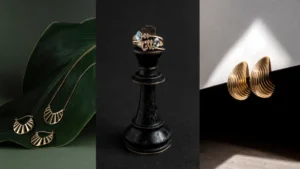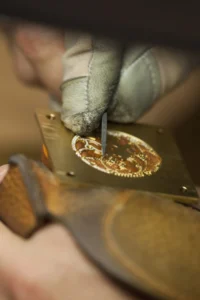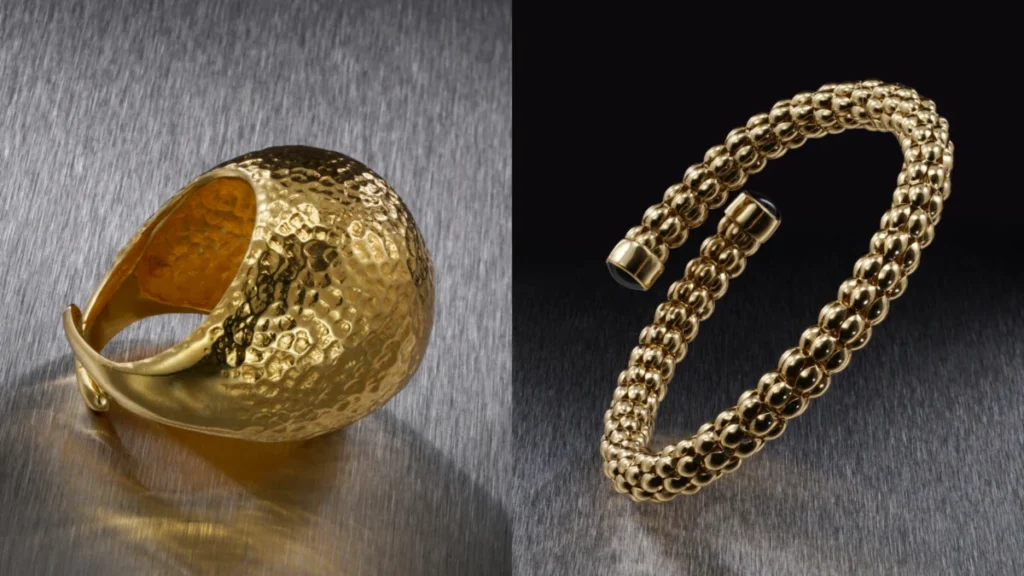
In the high-stakes world of luxury jewellery and watchmaking, the most critical innovations often happen away from the spotlight. While consumers are captivated by the sparkle of finished diamonds and the aesthetic grace of gold, a quiet revolution is occurring in the laboratories of Geneva. Pino Aliprandini SA, a cornerstone of Swiss technical excellence, is proving that the future of the industry is not just about what we see, but how we create it. As part of the Responsible Jewellery Council’s (RJC) "Facets of the Future" initiative for 2026, the company is emerging as a beacon of how family-led legacies can marry industrial chemistry with ethical stewardship.
The Legacy of Excellence: A Chronology of Innovation
To understand the current standing of Pino Aliprandini SA, one must look back at the roots of this family-owned powerhouse.
- 1977: The company is established in Geneva, Switzerland. Founded by Pino Aliprandini, a man whose pioneering spirit would eventually redefine surface treatment standards, the company begins its journey with a focus on precision and technical mastery.
- The Formative Decades (1977–2000): During this period, Pino Aliprandini quietly builds a reputation as an inventor’s inventor. Eschewing the fame often associated with luxury, he focuses on the "behind-the-scenes" science of electroplating and surface chemistry, setting benchmarks for quality that remain industry standards today.
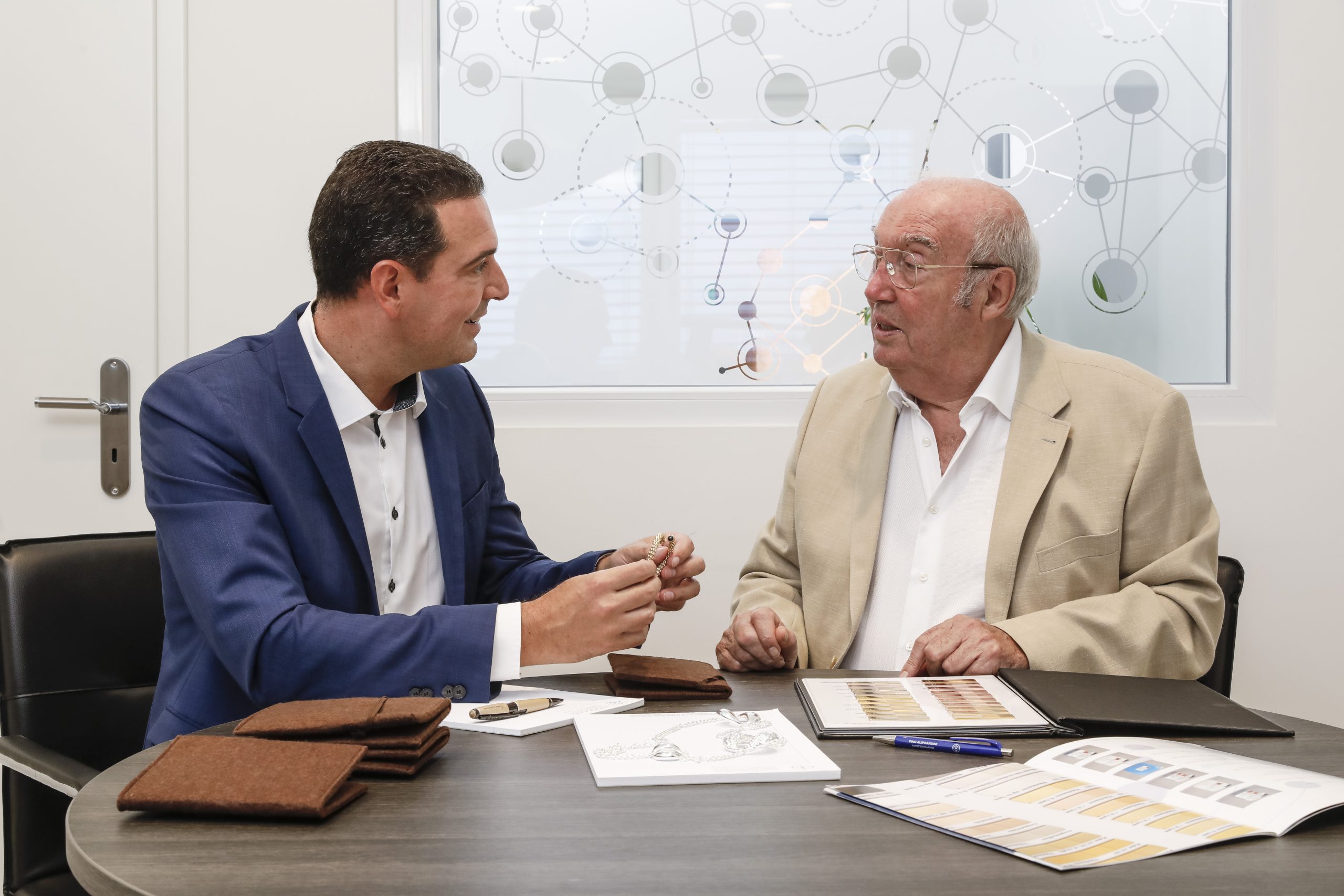
- The Second Generation Transition (2000–2025): Christian Aliprandini, having spent 25 years working side-by-side with his father, takes the helm. This transition marks the successful integration of traditional artisanal expertise with the demands of the modern, globalized luxury market.
- 2025–2026: The company gains international recognition for its "Acqua-Series" and commitment to cyanide-free processes, earning its place as a reference point in global industry reports regarding sustainable gold plating. The company joins the Responsible Jewellery Council (RJC) to formalize its long-standing commitment to ethical transparency.
Supporting Data: The Science of Sustainable Luxury
Sustainability in jewellery is frequently mischaracterized as a matter of simple material sourcing. However, Pino Aliprandini SA demonstrates that true sustainability is a technical, operational, and chemical challenge.
The Shift to Safer Chemistry
The industry has long struggled with the toxicity of traditional electroplating processes. Pino Aliprandini SA’s commitment to sustainability is evidenced by concrete, measurable shifts in their manufacturing:
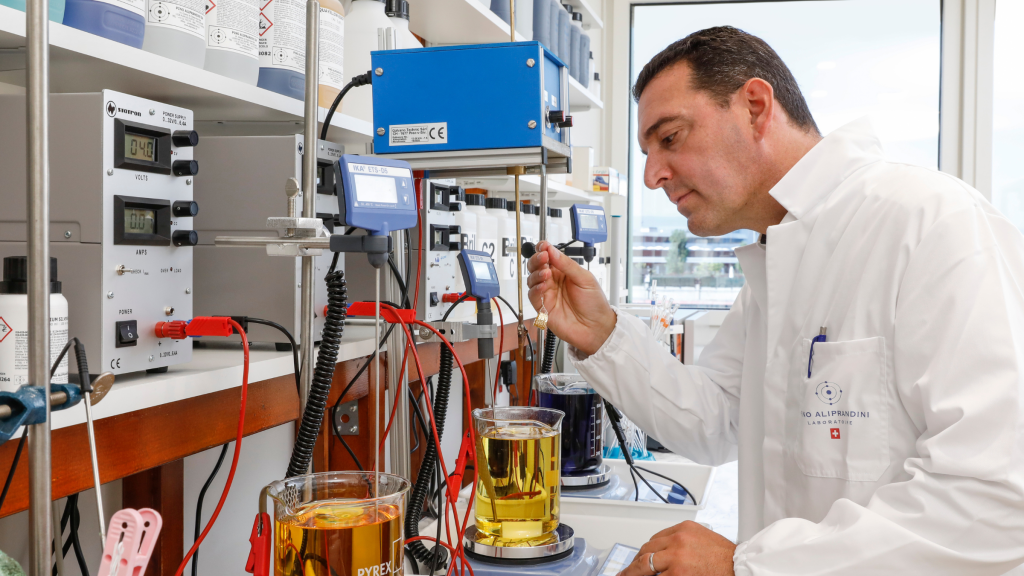
- Cyanide Elimination: Decades before it became an industry buzzword, the company pioneered cadmium-free processes and subsequently achieved the total elimination of cyanide in their precious metal alloy coating.
- The Acqua-Series: This innovative range of electroplating baths allows for the production of 2N, 5N, and white gold finishes without the use of toxic chemicals. These products are fully compliant with both REACH and RoHS regulations, significantly improving the safety of the working environment for operators.
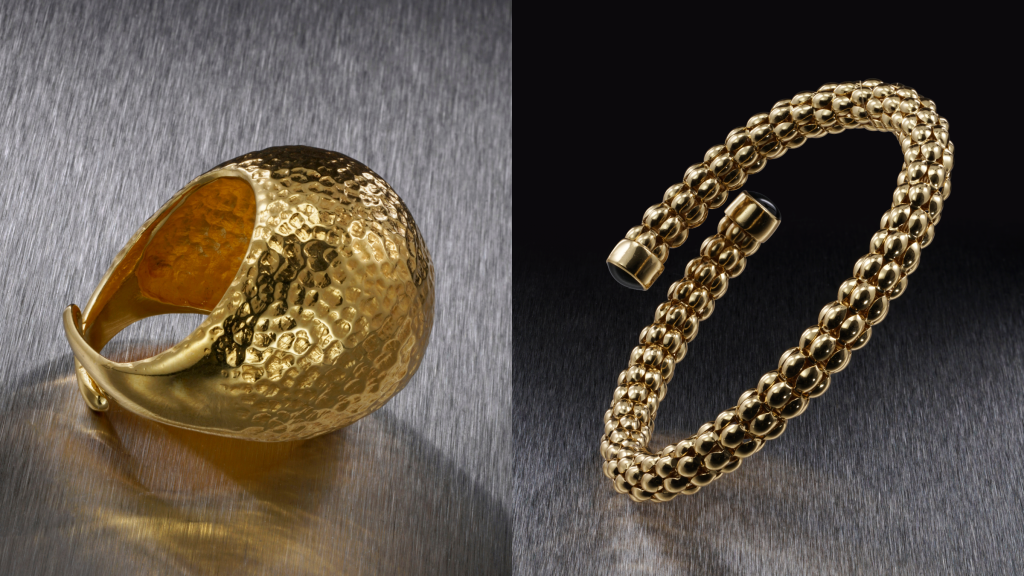
- Resource Efficiency: In response to precious metal price volatility, the company utilizes advanced electroforming techniques. By designing lightweight hollow jewellery that preserves aesthetic integrity while minimizing metal consumption, they have turned recycling and conservation into a strategic business advantage.
Economic Impact
As a Swiss SME, Pino Aliprandini SA represents the bedrock of the national economy. With 75% of Switzerland’s economic wealth generated by companies of this size, the firm serves as a case study in how family-owned enterprises provide the stability and long-term vision necessary to navigate global economic risks.
Official Responses: Why the Responsible Jewellery Council Matters
When asked about the motivation for joining the RJC, the leadership at Pino Aliprandini SA emphasizes a shared vision of transparency.
"Over 20 years of dedicated work, the RJC has succeeded in its mission: bringing together committed stakeholders and working collectively in a spirit of transparency," the company notes. For Pino Aliprandini SA, the RJC provides more than just a certification; it provides a recognized framework that validates their technical rigor to international partners.
The company is particularly vocal about the RJC’s role in highlighting that technological innovation is an essential, yet frequently overlooked, stage of the supply chain. By mastering stable and reproducible processes, the company proves that "behind-the-scenes" innovation is the engine of sustainable value.
Implications for the Industry: The "Human" Side of Science
As the jewellery industry faces a future defined by rapid technological change, Pino Aliprandini SA identifies three key pillars for long-term survival: Education, Talent Retention, and Human-Centricity.
The Need for Technical Literacy
The company posits that technical know-how is the foundation of the industry’s future. It is not enough to design; one must understand the chemistry of the metal. Since approximately 40% of jewellery-related professions are linked to the decoration and finishing of pieces, the expertise offered by companies like Pino Aliprandini is not a niche service—it is a critical sector of the trade.
The Family Business Advantage
In a world that is increasingly digitized and often feels disconnected, the "human" aspect of the family business model is becoming a premium asset. Pino Aliprandini SA stresses that their structure allows for:
- Personalized Relationships: Unlike larger, bureaucratic conglomerates, their family-run structure fosters long-term trust with clients.
- Controlled Growth: By avoiding the pressures of short-term quarterly gains, they can focus on long-term sustainability and the preservation of artisanal knowledge.
- The Human Element: The company argues that there is a profound need to humanize an activity that may appear cold or scientific. By placing the person at the top of their values, they provide the attentive support that global clients—faced with complex risks and supply chain volatility—deeply appreciate.
Conclusion: A Vision for 2026 and Beyond
As the jewellery sector moves toward 2026, the example set by Pino Aliprandini SA is clear: the path to the future is paved with both cutting-edge innovation and a return to foundational values. Whether through the development of ultra-thin platinum electroforming, which pushes the boundaries of physical possibility, or the rigorous adherence to non-toxic manufacturing, the company remains a benchmark for the industry.
By merging their deep-rooted Swiss heritage with an aggressive, forward-looking commitment to the Responsible Jewellery Council’s standards, Pino Aliprandini SA is proving that you do not have to choose between luxury and ethics. In the hands of a second-generation family business, sustainability is not merely a goal—it is the very process by which they create, innovate, and thrive.
For the next generation of jewellers, designers, and manufacturers, the message from Geneva is simple: respect the chemistry, honor the heritage, and never stop innovating behind the scenes. That is the true essence of the "Facets of the Future."