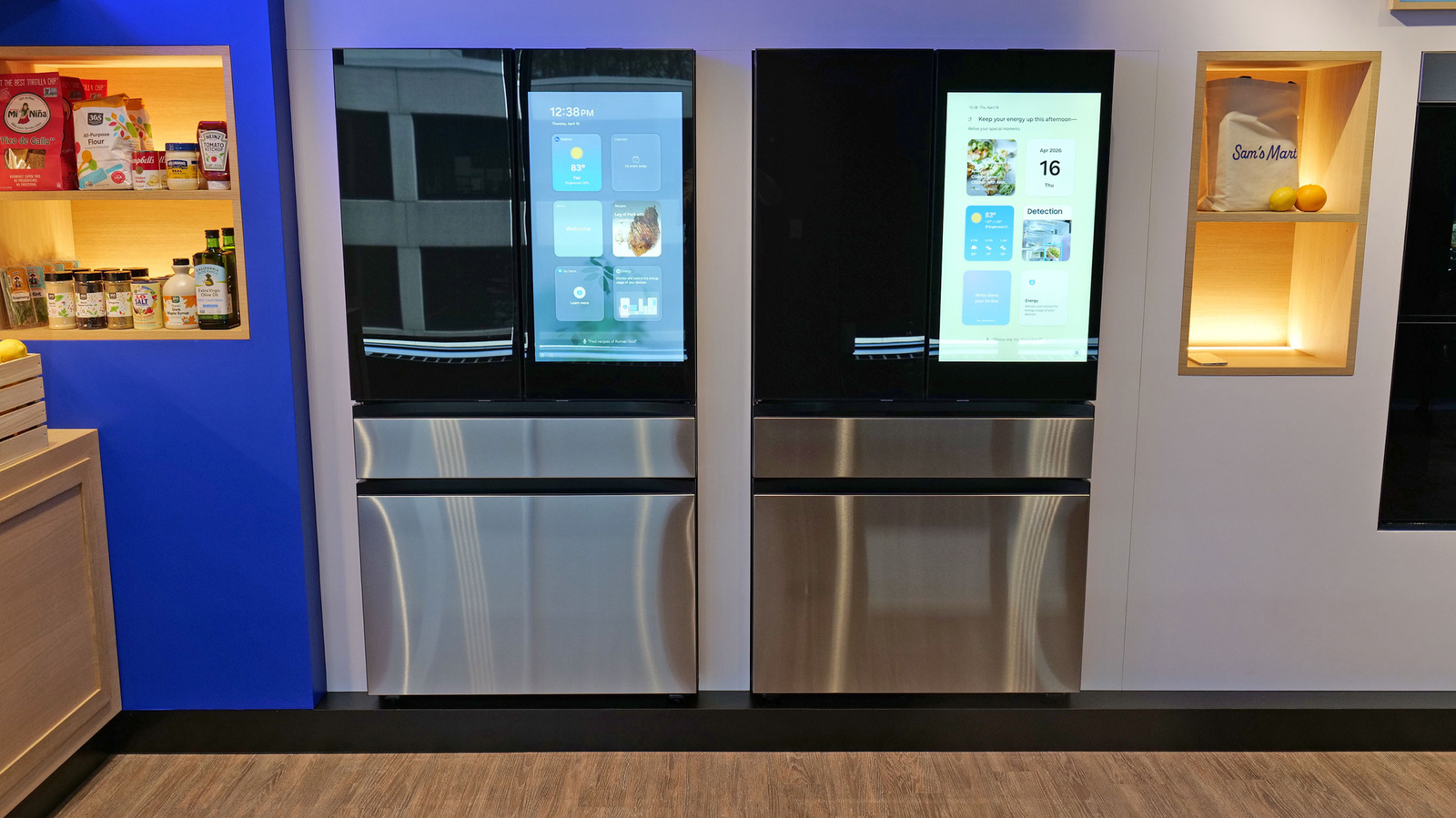
The concept of a "smart fridge" has long been a punchline in the technology sector. For years, the idea of an appliance requiring a software update felt less like an innovation and more like an unnecessary complication—a gadget seeking a problem it didn’t quite solve. However, Samsung is aiming to shed that reputation with a significant overhaul to its Bespoke refrigerator lineup. By integrating Google’s Gemini AI, Samsung is moving away from the gimmicky "connected" features of the past and toward a genuinely functional, intelligent kitchen assistant.
This week’s software update marks a pivotal shift in how household appliances interact with our daily lives, transforming the Bespoke fridge from a cold storage unit into a proactive inventory manager, maintenance technician, and sous-chef.
The Evolution of the Smart Fridge: A Chronology of Progress
To understand the magnitude of this update, one must look at the trajectory of Samsung’s kitchen technology.
- 2022-2023 (The Early Days): Samsung introduced its initial iteration of the "AI Food Manager." These early models relied on basic on-device object recognition, which could identify approximately 60 fresh food items and roughly 50 packaged goods. While ambitious, the system was plagued by manual labor requirements. Users often had to input data, such as quantity and expiration dates, manually.
- Late 2023 (The Reality Check): Following reviews of flagship Bespoke models, it became clear that the tech was still in its infancy. The limited database of 110 items meant that a typical grocery haul—filled with diverse brands and niche products—would largely go unrecognized by the fridge’s internal cameras.
- Early 2024 (The Development Phase): Samsung began working behind the scenes to bridge the gap between local processing and cloud-based intelligence, recognizing that on-device silicon alone could not handle the complexity of modern consumer goods.
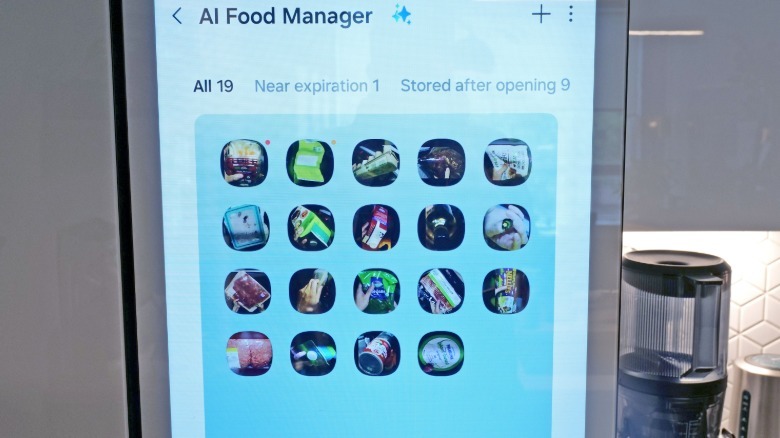
- Present Day (The Gemini Integration): The latest software deployment signals a massive expansion. By leveraging the cloud-based capabilities of Google Gemini, Samsung has exponentially increased the fridge’s recognition database from a modest 110 items to over 2,000, signaling a maturation of the platform from a "tech demo" to a household utility.
Supporting Data and Technical Breakthroughs
The core of this upgrade lies in a hybrid processing approach. While Samsung retains on-device object recognition for privacy and low-latency responses, it now offloads more complex queries to Google’s cloud-based Gemini models.
Expanding the Inventory Horizon
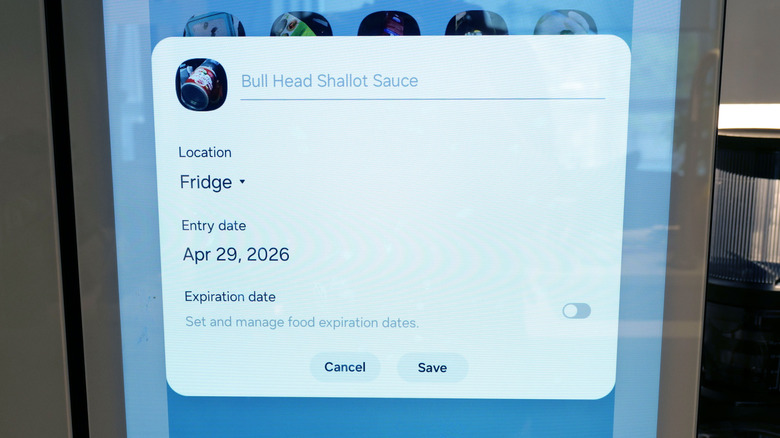
The jump from 100 to 2,000+ items is not just a statistical increase; it changes the user experience entirely. During recent testing, the AI proved capable of identifying highly specific, niche items—such as imported Taiwanese shallot sauce—that would have previously stumped the system. Furthermore, the AI’s ability to distinguish between similar products (e.g., Diet Coke vs. Coke Zero) and count multiple units of the same item represents a quantum leap in accuracy.
The "Reliability AI" Framework
Beyond inventory, the most practical addition is "Reliability AI." This system monitors the health of the refrigerator’s internal components. By tracking performance metrics, the system can proactively identify faults.
For instance, if a user reports an issue with clumped ice, the system can analyze the data and, with user consent, allow remote technicians to adjust water intake levels in the icemaker. This capability could significantly reduce the need for in-home service visits, saving both time and money for the consumer and the manufacturer.
Official Responses and Strategic Implications
Samsung’s strategy appears to be focused on long-term retention and ecosystem integration. By embedding these AI features, the company is attempting to make the Bespoke line an indispensable hub for the "Smart Home."
According to company representatives, the focus is on "low-friction" interactions. The goal is not for the user to spend time "managing" the fridge, but for the fridge to manage itself. The integration of voice controls—powered by the new Gemini-backed backend—allows users to troubleshoot issues by asking the fridge for guidance. If a filter needs replacing, the fridge can now explain the process or pull up a tutorial video directly on its display.
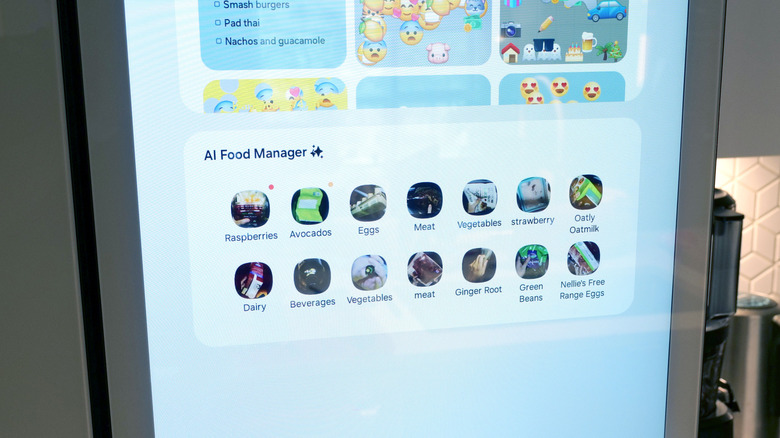
However, the integration is not without its strategic tensions. While the fridge utilizes Gemini’s intelligence, the user-facing interface remains tethered to Samsung’s proprietary Bixby assistant. This creates a slightly disjointed experience where the "brain" is Google, but the "voice" is Samsung. Industry analysts suggest this is a calculated move to ensure Samsung maintains control over the user experience and data ecosystem, rather than fully offloading the interface to Google.
Real-World Performance: The Promise and the Pitfalls
While the update is a major step forward, early adopters and testers have noted that the system is not yet infallible.
The Hallucination Factor
Like all Large Language Model (LLM) implementations, the Bespoke fridge’s AI is prone to "hallucinations"—instances where the AI provides an confident, incorrect answer. In one documented instance, the fridge misidentified a bandage on a user’s finger as a vegetable. While these errors are rare and often comical, they highlight the inherent limitations of current machine learning models when applied to visual recognition in uncontrolled, messy environments like a refrigerator shelf.
The Privacy Trade-off
To achieve this level of intelligence, users must connect their appliances to the internet and provide consent for data to be processed in the cloud. Samsung has emphasized that for "Reliability AI" and service-related diagnostics, user consent is mandatory. This transparency is vital, as the "always-on" camera inside a kitchen appliance represents a significant privacy frontier for modern consumers.
The Shopping List Revolution
One of the most immediate benefits for the average user is the automated shopping list. The AI tracks consumption patterns; when a frequently used item is removed, the fridge can suggest adding it to a digital list. This list syncs seamlessly to the user’s smartphone, removing the need for manual curation. It is a subtle, non-intrusive feature that adds genuine value to the user’s weekly routine.
The Outlook: Is the Future Here?
Samsung’s latest Bespoke update proves that the smart fridge is finally growing up. It is no longer just a screen on a door; it is a diagnostic tool and an inventory manager that offers genuine, measurable utility.
The path forward, however, will depend on three factors:
- Refining Accuracy: As the AI learns from millions of user interactions, the "hallucination" rate will likely drop, increasing trust in the automated inventory.
- Universal Integration: Users are waiting for the day when these AI features can speak to other kitchen devices—such as an oven preheating based on the ingredients identified in the fridge.
- The User Interface: Moving beyond the current Bixby-centric limitations to allow for a more natural, multi-modal interaction will be the next major hurdle for Samsung.
In conclusion, while we aren’t quite at the point where the fridge can cook a five-course meal, we have certainly moved past the era of the "gimmick." Samsung has successfully laid the groundwork for an appliance that thinks, monitors, and supports. For those willing to embrace the learning curve, the modern Bespoke fridge is, for the first time, earning its place as the centerpiece of the digital kitchen.