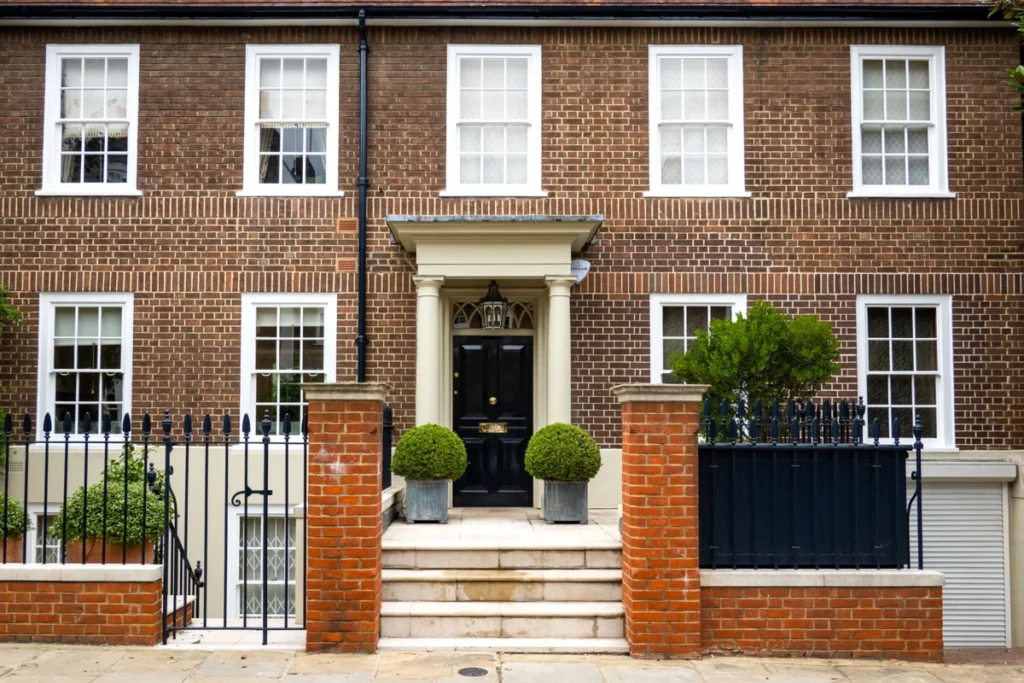
Owning a substantial residence in the leafy, affluent enclaves of Queen’s Park, West Hampstead, or Belsize Park has long been considered a "golden ticket" in the London property market. For decades, the narrative was one of perennial growth and lightning-fast transactions. However, as of late 2026, the landscape has undergone a profound transformation. The days of putting a sign up on a Monday and accepting a premium offer by Friday are, for many, a relic of the past.
Today, buyers at the seven-figure price point have become significantly more discerning. They are no longer chasing the market; they are interrogating it. For sellers, this shift requires a complete recalibration of strategy, moving away from passive listing to a proactive, highly curated approach.
Main Facts: The Market Shift
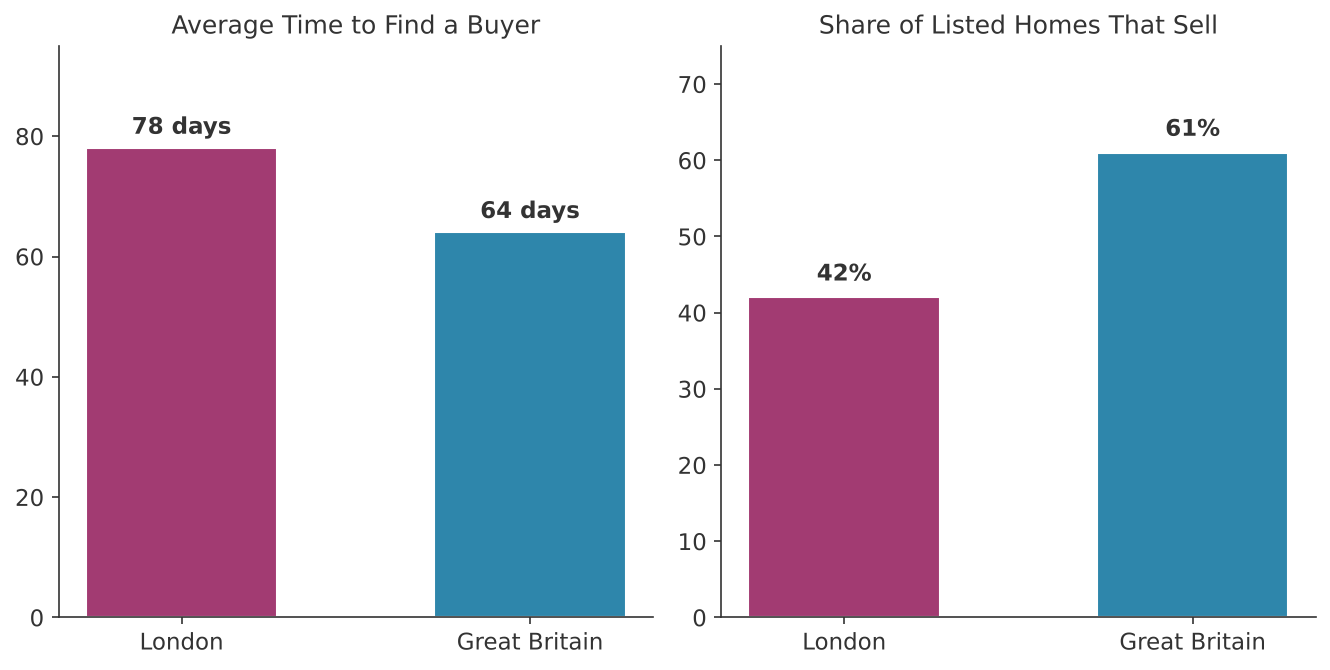
According to the Rightmove House Price Index for September 2026, the capital is currently facing a liquidity challenge. Only 42% of London homes that hit the market successfully find a buyer, a stark contrast to the 61% success rate observed across Great Britain as a whole. Furthermore, the average time taken to reach a sale in London has stretched to 78 days.
These figures do not imply that premium homes have become unsellable; rather, they signal that the "easy money" era has concluded. Success in the current climate is contingent upon meticulous preparation. The market is currently characterized by higher borrowing costs, stretched affordability, and a buyer cohort that feels zero pressure to rush into high-value commitments.
A Chronology of the Slowdown
The cooling of the North West London market did not occur overnight. It is the culmination of a sustained period of economic pressure that began to manifest in early 2025 and solidified throughout 2026.
- Early 2025: Initial interest rate hikes began to weigh on mortgage affordability, cooling the frantic pace of the post-pandemic market.
- Late 2025: Buyers began to exit the market in search of better value, leading to an accumulation of inventory in boroughs like Camden and Brent.
- Spring 2026: The announcement of the proposed High Value Council Tax Surcharge added a layer of uncertainty for buyers at the top end of the market, causing many to pause.
- Summer 2026: Data from the Office for National Statistics (ONS) confirmed a year-on-year price correction, confirming that the "wait and see" approach had become the dominant buyer sentiment.
- Autumn 2026: A new equilibrium has emerged where only the most competitively priced and perfectly presented homes attract immediate interest.
Supporting Data: The Borough Breakdown
The most significant corrections have occurred in the capital’s most expensive regions. ONS data through July 2026 reveals that Camden’s average property price fell by 10.1% to £815,000. Neighboring Brent saw a more modest but still significant decline of 2.6%, bringing the average down to £546,000.
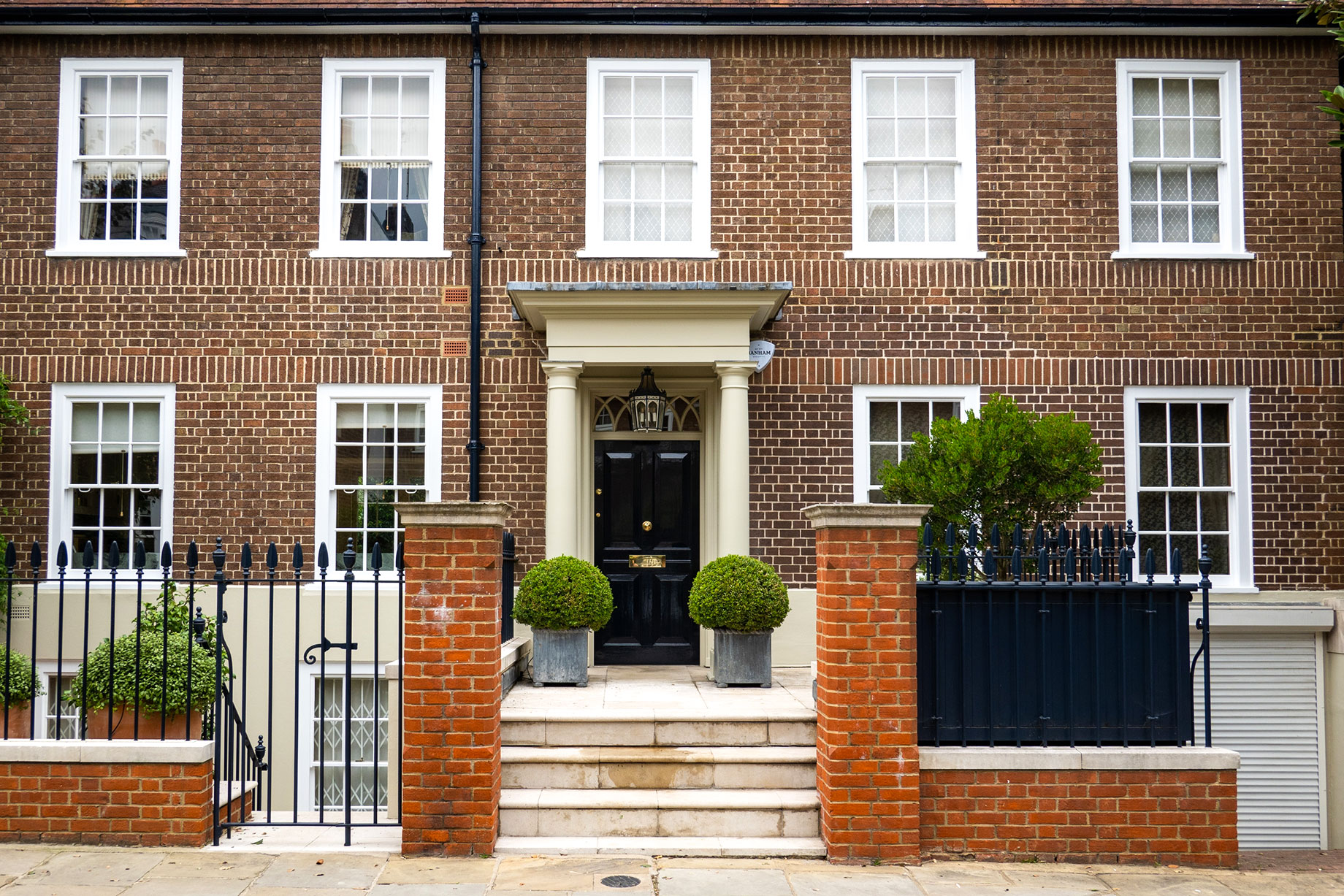
Even the ultra-prime segment has felt the pressure. Detached properties in Camden—historically the most resilient asset class—saw a 3.8% price decline over the year. The following table illustrates the current price distribution across property types in the region:
| Property Type | Brent Average | Camden Average |
|---|---|---|
| Detached | £1,326,000 | £3,645,000 |
| Semi-Detached | £830,000 | £2,118,000 |
| Terraced | £700,000 | £1,555,000 |
These figures underscore a critical reality: falling averages are not a monolith. While the broad market may be cooling, a well-presented family home on a prime, tree-lined street in Queen’s Park can still spark a bidding war. The market is now bifurcated between "turn-key" properties and those that require significant capital expenditure, with the latter languishing on the market for months.
Official Policy and Financial Implications
Two primary fiscal pressures are currently shaping buyer behavior at the £1.5 million+ threshold: Stamp Duty and the looming High-Value Council Tax Surcharge.
The Burden of Stamp Duty
For a buyer moving into a £2 million home, the Stamp Duty Land Tax (SDLT) is a staggering £153,750. In a buoyant market, buyers often absorbed these costs as the "price of entry." In 2026, these costs are being weaponized during negotiations. Sellers who do not account for the buyer’s heavy tax burden in their pricing strategy often find their sales collapsing during the final stages of price discovery.
The High-Value Council Tax Surcharge
Set to take effect in April 2028, the government’s proposed surcharge on homes valued at £2 million or more has introduced a "long-term tax risk" factor. The consultation, which concluded in July 2026, outlined the following annual surcharges:
- £2m to £2.5m: £2,500/year
- £2.5m to £3.5m: £3,500/year
- £3.5m to £5m: £5,000/year
- Over £5m: £7,500/year
While the policy is not yet active, savvy buyers are already factoring these future annual costs into their current offers. Sellers holding homes at the lower end of the £2m bracket must be prepared to demonstrate why their property’s value—and potential for growth—outweighs this upcoming fiscal liability.
Strategic Implications: How to Sell in a Buyer’s Market
For those looking to sell, the path to success lies in professionalizing every aspect of the transaction. Here are seven tactical pillars for the modern seller:
- Price for the Market, Not the Dream: Overpricing is the fastest way to lose market momentum. Use local comparables from the last three months, not two years ago.
- Invest in "Digital Staging": In an era where 90% of searches begin online, your listing photos are your first (and often only) showing.
- Prioritize Chain-Free Buyers: A slightly lower offer from a cash buyer is frequently more valuable than a high offer from someone caught in a long, unstable chain.
- Maximize Curb Appeal: In West London, the exterior facade—the sash windows, the iron railings, the cream entrance columns—must be pristine. It sets the expectation for the interior.
- Be Transparent About Costs: If your home is in the £2m+ bracket, have the council tax and utility data ready. Transparency builds trust.
- Leverage Local Expertise: Engage an agent with a deep, street-by-street knowledge of the area, rather than a large national chain that treats your home as a commodity.
- Negotiation Agility: Be prepared to negotiate terms, not just price. Flexible completion dates or including high-end fixtures can sometimes bridge the gap between a rejection and a signed contract.
The Verdict: Sell Now or Wait?
There is no "perfect" time, but there is a "right" time based on individual circumstances. If you are selling to move elsewhere within the capital, a softer market can actually be an advantage; you may sell your current home for less, but you will likely purchase your next property at a similarly adjusted price point.
However, for those holding properties just above the £2 million threshold, the window to sell before the 2028 surcharge implementation is narrowing. The market currently rewards those who are decisive, data-driven, and pragmatic. If you are waiting for a return to the explosive growth of 2021, you may be waiting for a market cycle that is unlikely to repeat in the near future.
Ultimately, the North West London property market has not closed its doors; it has simply changed its entry requirements. By focusing on realistic pricing, exceptional presentation, and the guidance of an expert negotiator, sellers can still achieve a successful outcome in one of the most desirable corners of the world.