By Dani James | Retail Dive
Published October 12, 2026
In a clear signal of the resilience and dominance of the off-price retail sector, Ross Stores Inc. has officially crossed the finish line for its fiscal 2026 growth strategy. The company announced on Monday that it has successfully completed its target of opening 115 new locations, a milestone that underscores the brand’s robust expansion strategy and its ability to capitalize on changing consumer behaviors in a value-conscious economy.
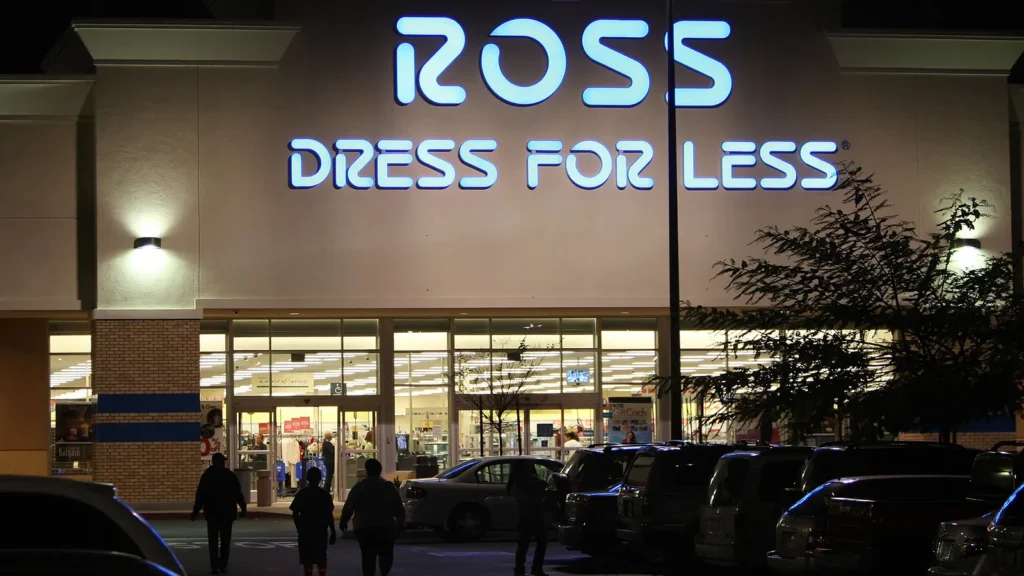
The final push of this expansion saw the opening of 51 new stores across 17 states during September and October alone, comprising 41 Ross Dress for Less locations and 10 DD’s Discounts outlets. With these additions, the retail giant now boasts a formidable footprint of 2,377 stores across 45 states, the District of Columbia, Guam, and Puerto Rico. Most notably, this cycle included the company’s inaugural entry into the Massachusetts market, a strategic expansion that marks a new frontier for the off-price powerhouse.
The Strategy Behind the Surge: A Chronology of Growth
The path to 115 new stores was not a static goal but a dynamic one that responded to market conditions throughout the year.
Early Fiscal Year Ambitions: As the fiscal year began, Ross Stores initially outlined a conservative but ambitious growth plan aimed at bolstering its presence in existing high-performing markets. The goal was set at 110 new locations.
The Mid-Year Pivot: By August 2026, buoyed by exceptional earnings reports and a surge in consumer demand for discounted branded goods, the company made a strategic decision to accelerate its trajectory. Ross announced an upward revision to its expansion plans, increasing the target from 110 to 115 new store openings. This five-store boost reflected the company’s confidence in its real estate pipeline and its operational capacity to scale rapidly.
The Closing Stretch: The final phase of the rollout, concentrated in the early autumn of 2026, solidified the company’s presence in competitive regions. While the Massachusetts entry grabbed headlines as the "first-of-its-kind" for the brand in that state, the company simultaneously deepened its roots in New York and strengthened the footprint of its DD’s Discounts banner in its core markets of California, Florida, and Texas.
Supporting Data: By the Numbers
The physical expansion of Ross Stores is not merely a vanity metric; it is directly correlated with a period of extraordinary financial performance. The retail landscape in 2026 has been characterized by inflationary pressures, yet Ross has emerged as a primary beneficiary, as middle-to-lower-income shoppers prioritize value over traditional retail price points.
- Quarterly Sales Velocity: The expansion news follows a stellar second quarter in which total sales reached $6.3 billion, a 13% increase over the previous year.
- Comparable Store Sales: Ross reported a 10% jump in comparable store sales during Q2, marking the second consecutive quarter of double-digit growth. This performance significantly outpaced many of its direct competitors, who struggled to maintain positive traffic in the face of shifting discretionary spending.
- Profitability Metrics: The bottom line saw even more dramatic movement, with net earnings surging 68% to $851.3 million. This massive leap in profitability has provided the capital necessary to fund aggressive capital expenditures, including real estate acquisitions and store build-outs.
- The Future Footprint: The company has laid out a long-term roadmap that anticipates a total count of 2,900 Ross Dress for Less locations and 700 DD’s Discounts stores, suggesting that the current 2,377-store count is merely the foundation for a much larger retail empire.
Official Perspectives: Leadership’s Vision
The decision to enter the Massachusetts market and scale the DD’s Discounts concept is being framed by leadership as a calculated move to capture long-term market share.
"Building on the strong performance of our newer stores, we are excited to open our inaugural stores in Massachusetts while strengthening Ross Dress for Less’ presence in New York and other existing markets," said Richard Lietz, Executive Vice President of Property Development at Ross Stores.

Lietz’s comments reflect a broader company sentiment: that the "off-price" model is no longer a niche segment but a core component of the American retail fabric. By targeting both the flagship Ross Dress for Less brand and the value-oriented DD’s Discounts, the company is effectively insulating itself against market volatility. While Ross Dress for Less targets a broader range of apparel and home goods, DD’s Discounts serves the hyper-value-conscious shopper, ensuring that the company captures a wide demographic spread.
Lietz noted that the company is "well-positioned" for future growth, emphasizing that the current real estate strategy is not just about quantity, but about finding the right sites that deliver high-velocity traffic and strong unit-level economics.
Implications for the Retail Industry
The aggressive expansion of Ross Stores sends a clear message to the broader retail sector: the "bricks-and-mortar" model is thriving, provided the value proposition is clear.
1. The Death of the "Dead Mall" Narrative
Ross, along with other off-price retailers like TJX Companies and Burlington, has become the primary anchor for many mid-tier shopping centers. By taking over former big-box spaces or filling vacancies in aging malls, they act as a catalyst for foot traffic. Their entry into Massachusetts and continued density in Texas and Florida suggests that retail landlords remain eager to court off-price tenants who offer guaranteed customer volume.
2. Competitive Pressure on Full-Price Retailers
As Ross continues to grow its footprint, department stores and specialty retailers face increasing pressure. When consumers can find high-quality, branded merchandise at a 30% to 70% discount just a few miles from their homes, the incentive to shop at full-price retail locations diminishes. This shift in consumer behavior is forcing traditional retailers to reconsider their own pricing strategies and inventory management.

3. Supply Chain Dominance
To support 115 new stores in a single fiscal year, Ross has had to refine its supply chain and logistics capabilities. The ability to source and distribute vast quantities of "off-price" inventory—often opportunistically acquired from manufacturers with excess stock—requires a sophisticated operational backbone. The company’s growth suggests it has successfully optimized its procurement processes, allowing it to maintain the "treasure hunt" experience that keeps customers returning to its stores.
4. Macro-Economic Sensitivity
Ross’s performance is often used by analysts as a barometer for the American consumer. The 68% growth in net earnings suggests that even in a climate where households are carefully monitoring their budgets, the appetite for high-quality goods remains high—provided the price is right. The expansion into 17 different states highlights that this trend is not localized; it is a nationwide shift in shopping habits.
Looking Ahead: The Path to 3,600 Stores
As Ross Stores looks toward the next fiscal cycle, the focus will likely shift from pure expansion to the optimization of the new locations. Integrating 115 new stores into an existing network of over 2,200 is a significant logistical challenge. The company will need to ensure that these new sites—particularly in new territories like Massachusetts—achieve the same productivity levels as their mature counterparts.
Investors and industry observers will be watching the next quarterly earnings report to see if the surge in new store count correlates with sustained margin health. For now, however, Ross Stores remains a titan of the off-price world, proving that in an era of digital disruption, a physical store, if executed with the right value proposition, remains the most potent tool in a retailer’s arsenal.
With a long-term goal of 3,600 total locations, the retailer is signaling that it is far from reaching its peak. As the company continues to refine its footprint, the rest of the retail industry will be forced to adapt to the new reality: a market where value is the primary currency, and Ross Stores is the lead banker.