From the mist-shrouded peaks of Victoria Harbour to the glittering, futuristic waterfront of Singapore, a seismic shift is occurring in the world of high-end hospitality. Luxury is no longer just about square footage or thread counts; it is about the elevation of the human experience—quite literally. As two of Asia’s most iconic properties, the Island Shangri-La in Hong Kong and Marina Bay Sands in Singapore, unveil their latest suite transformations, a new narrative has emerged: the modern suite is evolving into a self-contained sanctuary that challenges the very boundaries of urban living.
The Evolution of the "Sky-High Sanctuary"
The concept of the luxury hotel suite has undergone a radical transformation over the past decade. Where once a suite was merely a place to sleep between business meetings or sightseeing excursions, it is now an integrated ecosystem. These new spaces are designed for the "holistic traveler"—a guest who demands wellness, professional-grade technology, and culinary excellence without ever needing to press the "lobby" button on an elevator.
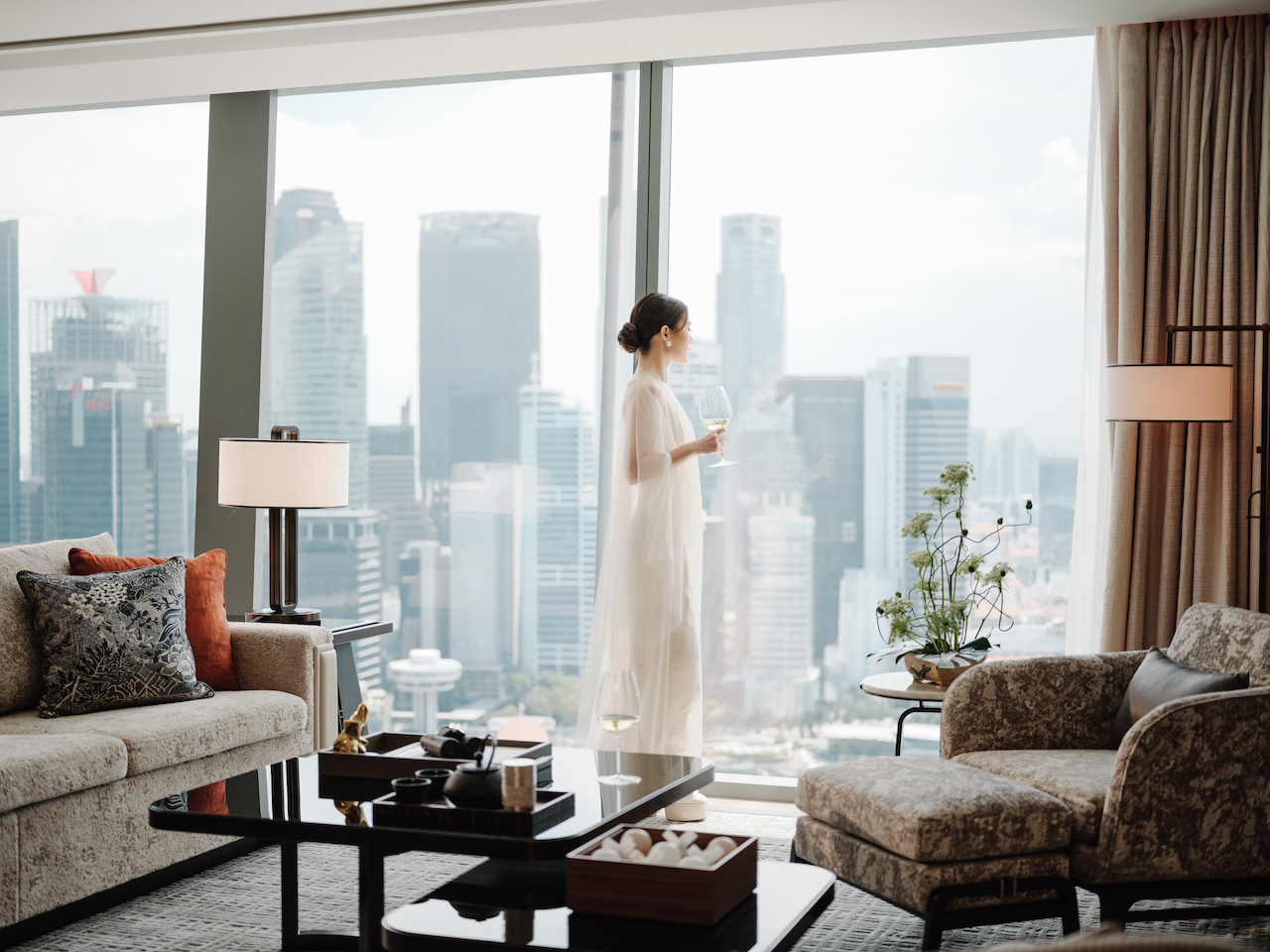
This shift toward "upward luxury" reflects a broader trend in global tourism: the desire for privacy, autonomy, and hyper-personalized service. By blending residential comforts with the operational precision of a five-star hotel, these properties are successfully creating "homes in the sky."
Hong Kong: The Island Shangri-La’s Cinematic Rebirth
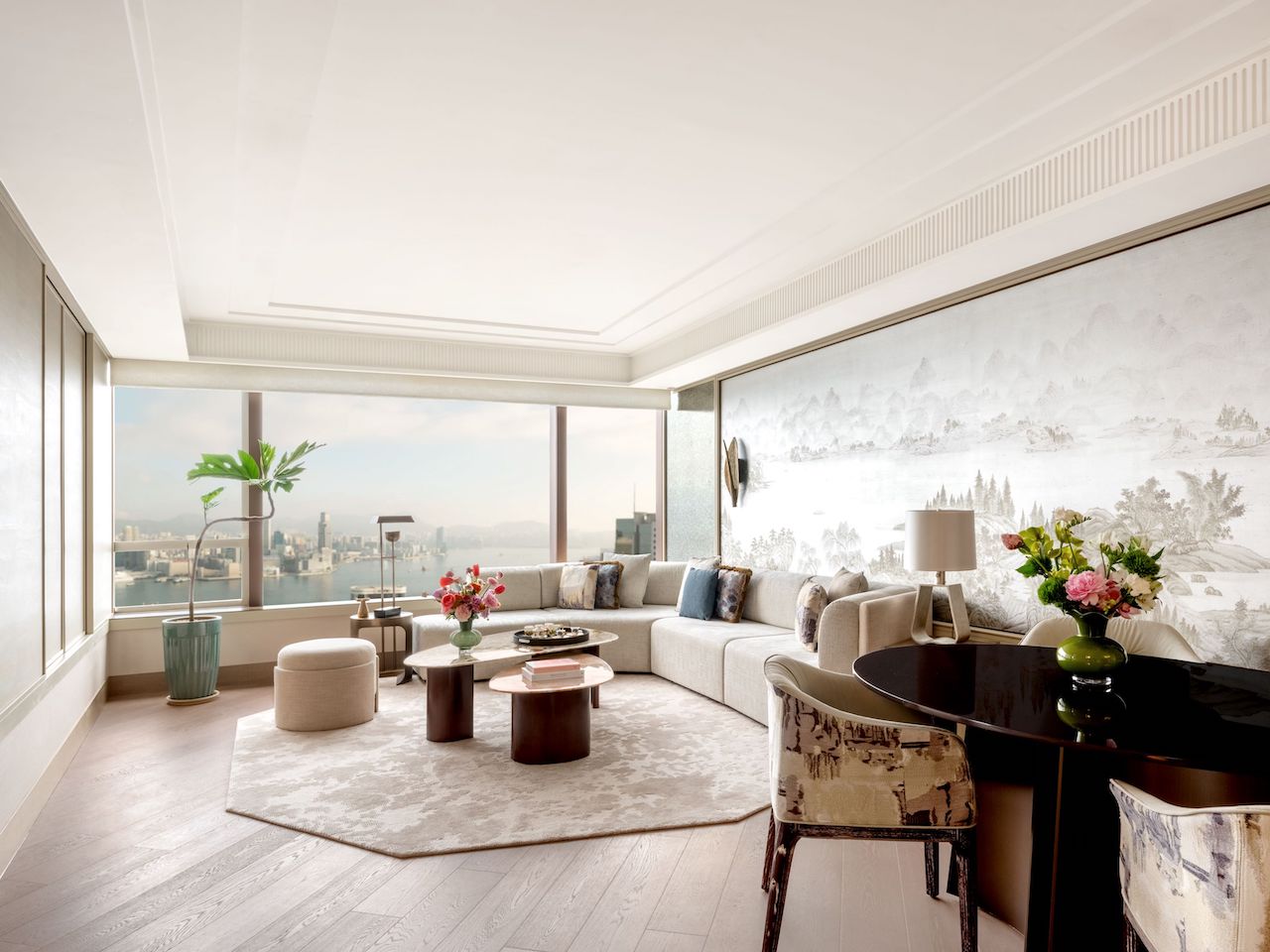
Perched on the 50th floor of the Island Shangri-La, the newly unveiled Hong Kong Suite is a masterclass in narrative design. Following a multi-year, multi-million-dollar transformation, the suite has moved away from the generic "international luxury" aesthetic to embrace a deeply rooted, distinctly Hong Kong identity.
A Curated Artistry
The interior design is a testament to the intersection of history and modernity. Walls adorned with painted fabrics provide a tactile backdrop to a collection of art that speaks to the city’s maritime roots—most notably, 19th-century paintings of traditional sampans sourced from Christie’s. This is not a hotel room; it is an intimate gallery. Every piece of furniture feels bespoke, chosen not just for its form, but for its dialogue with the panoramic vistas of Victoria Harbour and the verdant slopes of Victoria Peak.
The Service Architecture
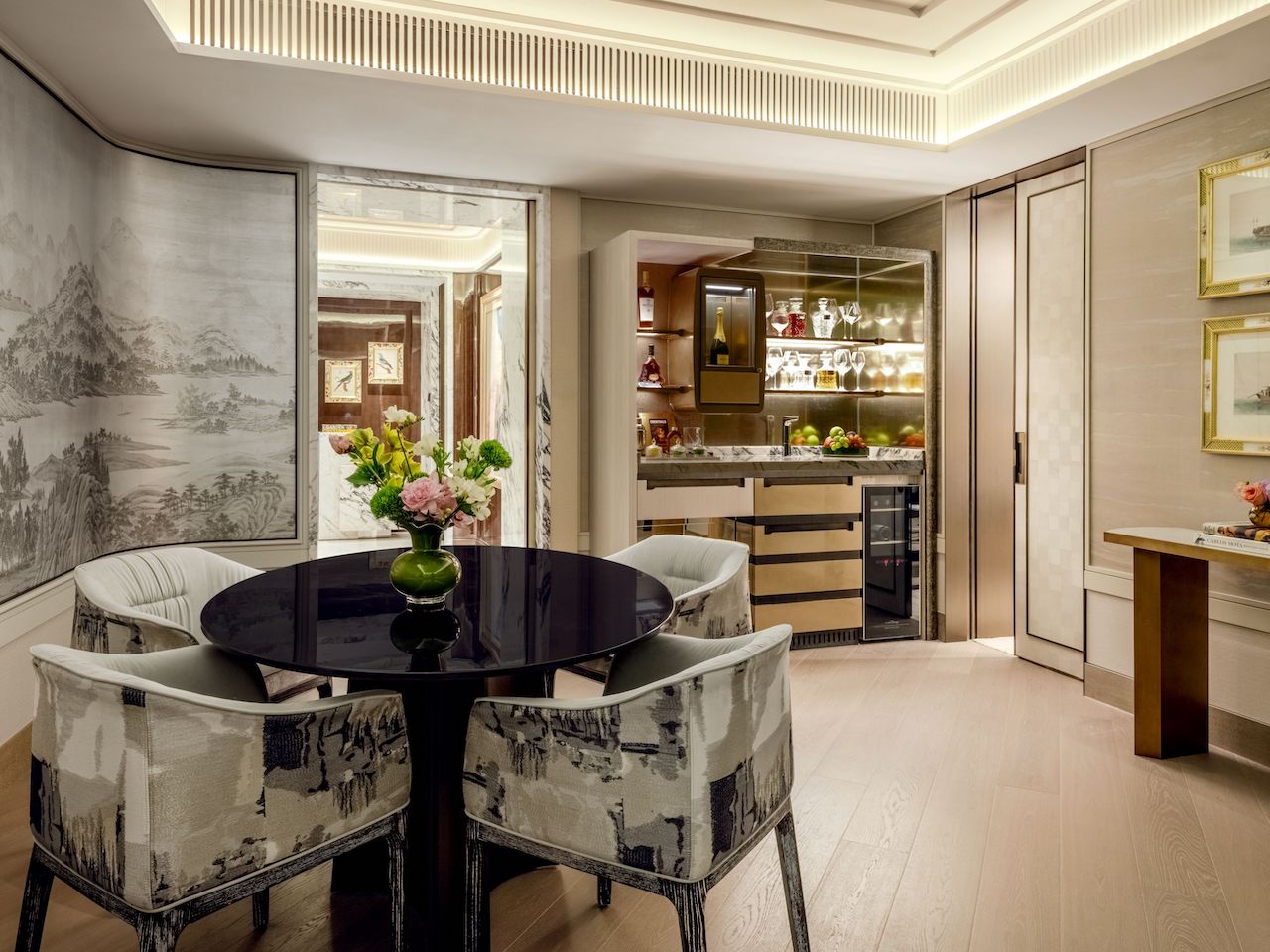
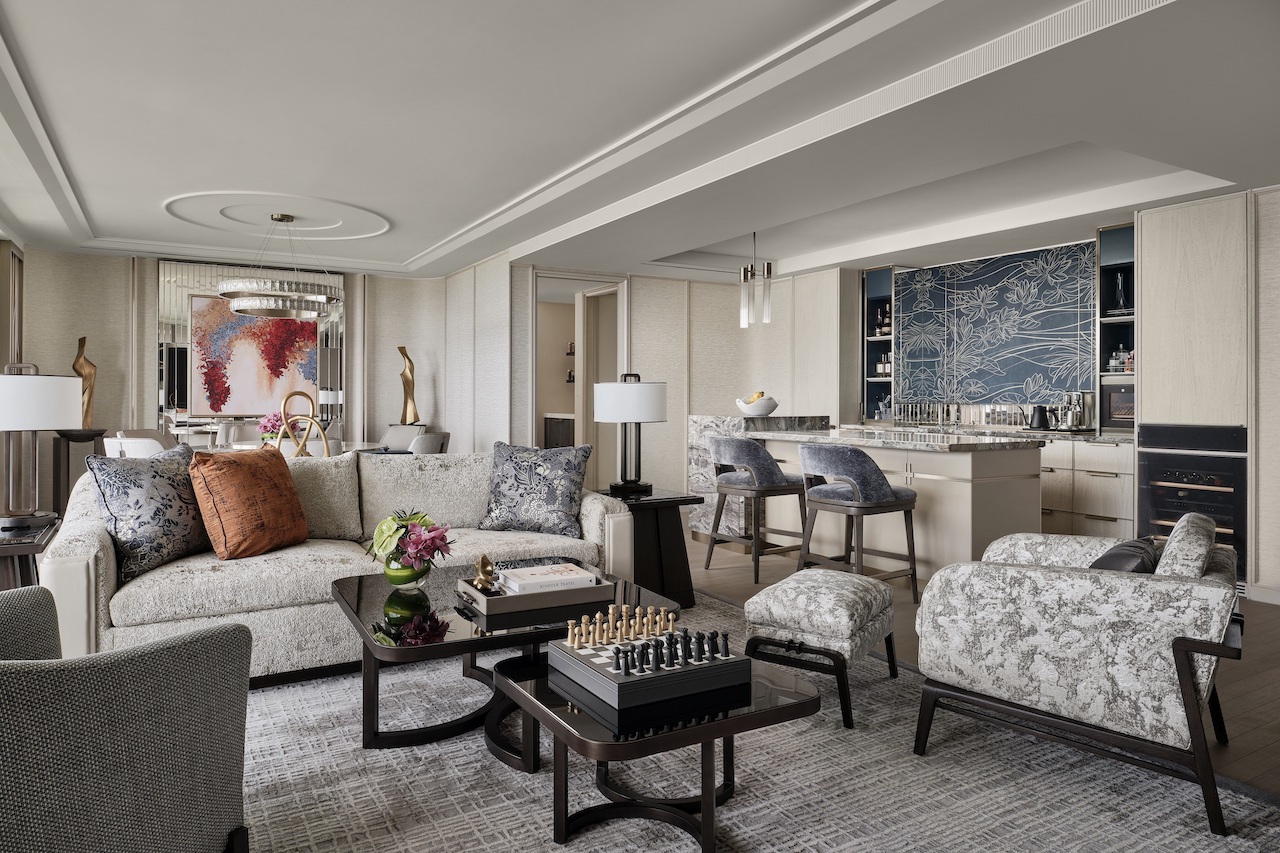
The suite features a dedicated pantry that functions as a culinary engine. Equipped with a dual-zone wine fridge, high-end kitchenette, and a filtered water system, it allows for seamless butler service. The emphasis here is on the ritual of living—guests are invited to participate in a refined tea service using premium leaves, turning a simple afternoon break into an immersive cultural experience.
The Wellness Retreat
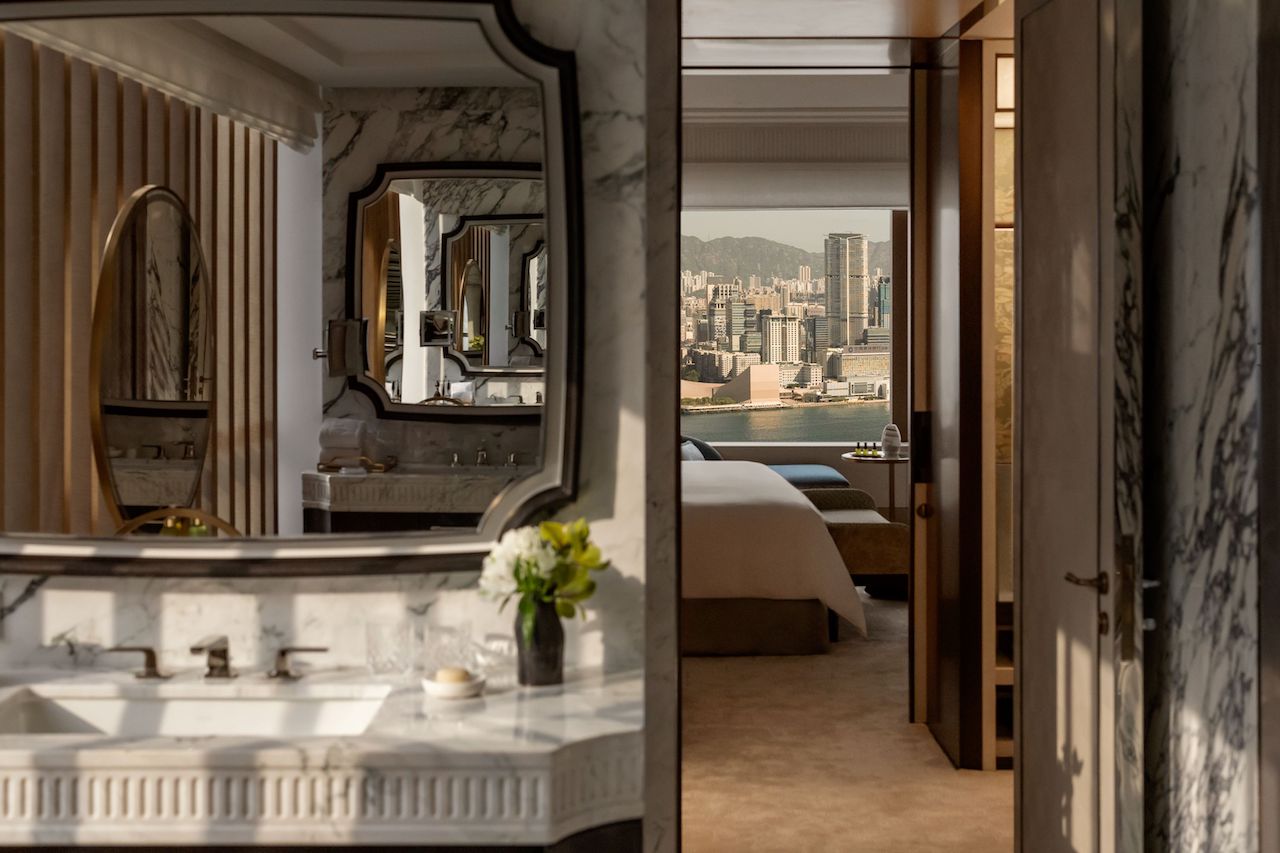
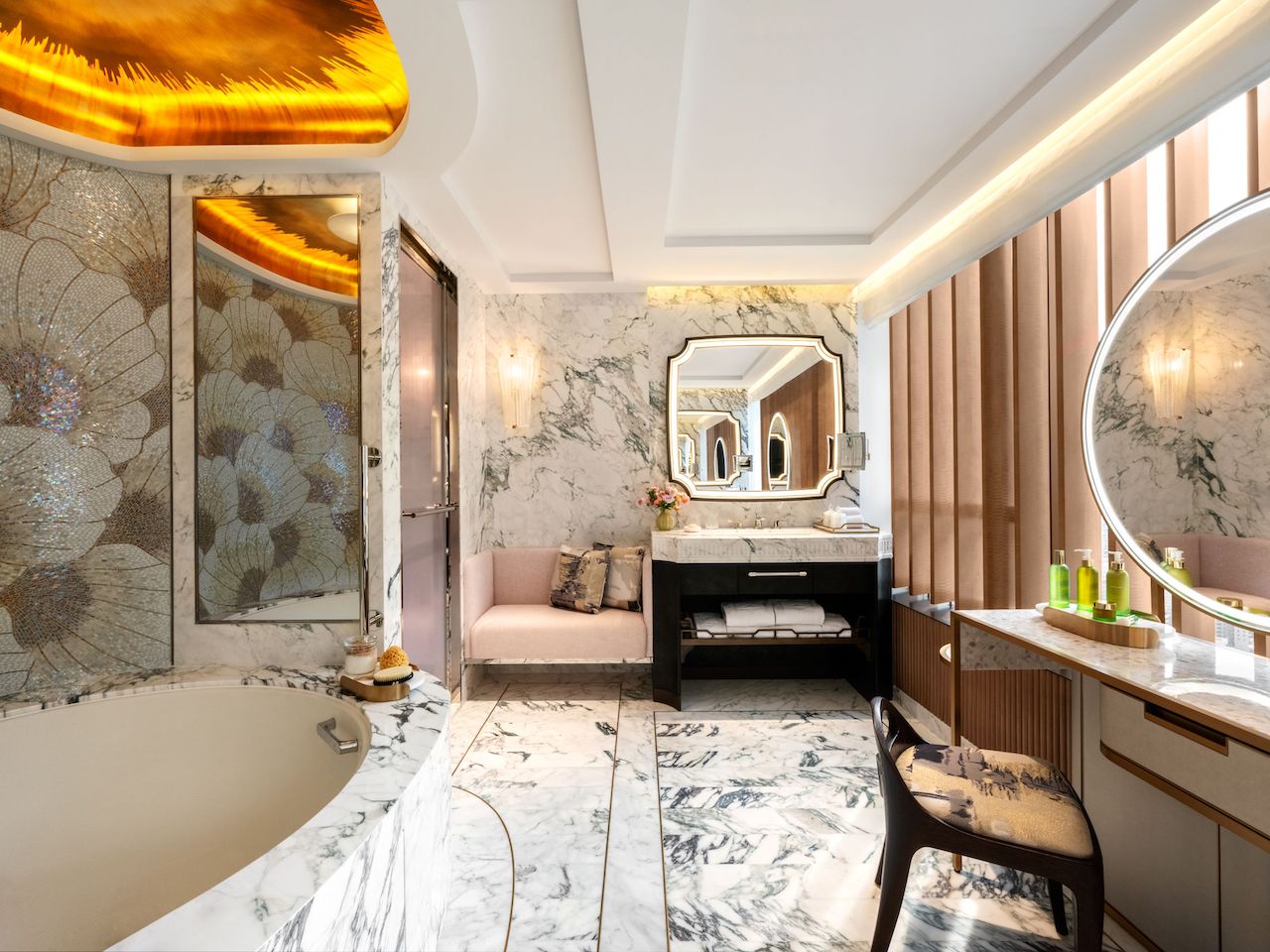
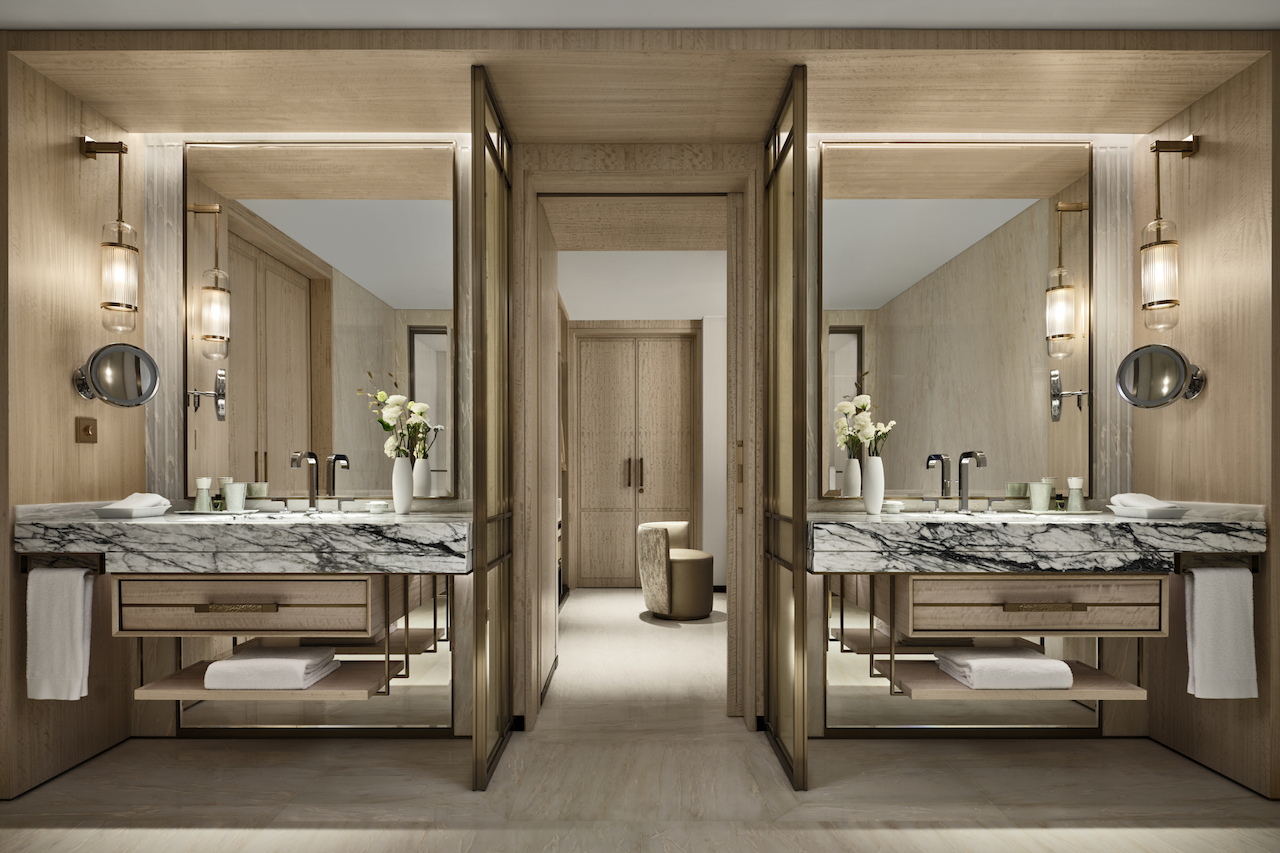
The bathroom has been reimagined as a private spa. Clad in white marble, it features a sculptural bathtub framed by magnolia-inspired mosaics—a nod to the nearby botanical gardens. The integration of Yun Wellness-crafted bath salts and integrated Bluetooth audio ensures that the physical space serves as a psychological refuge from the frantic pace of Hong Kong below.
Singapore: The Marina Bay Sands Paiza Renaissance
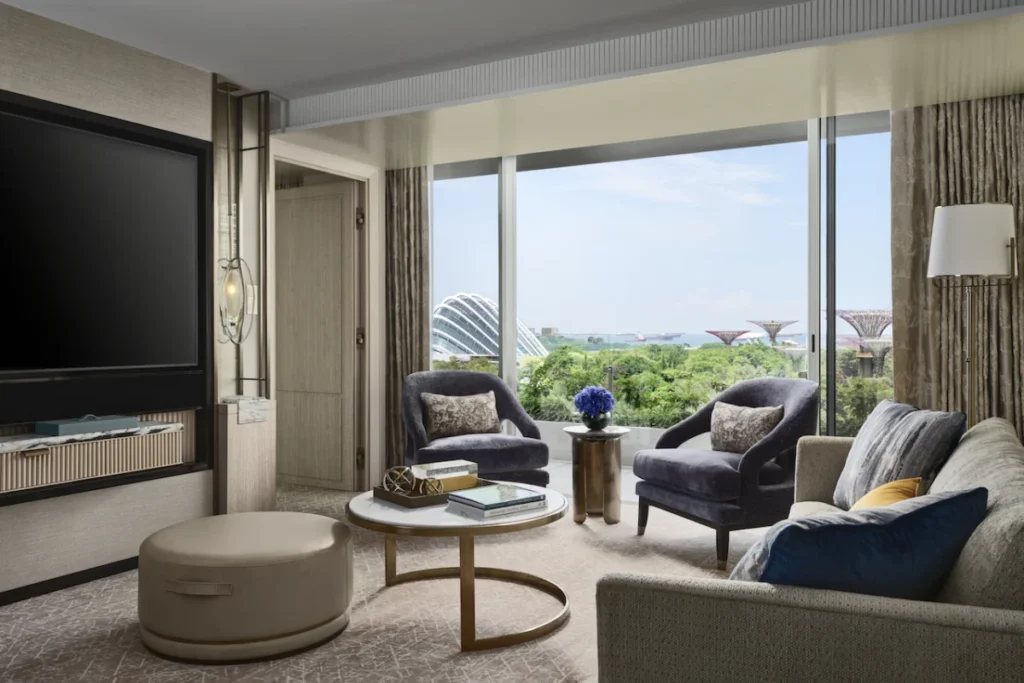
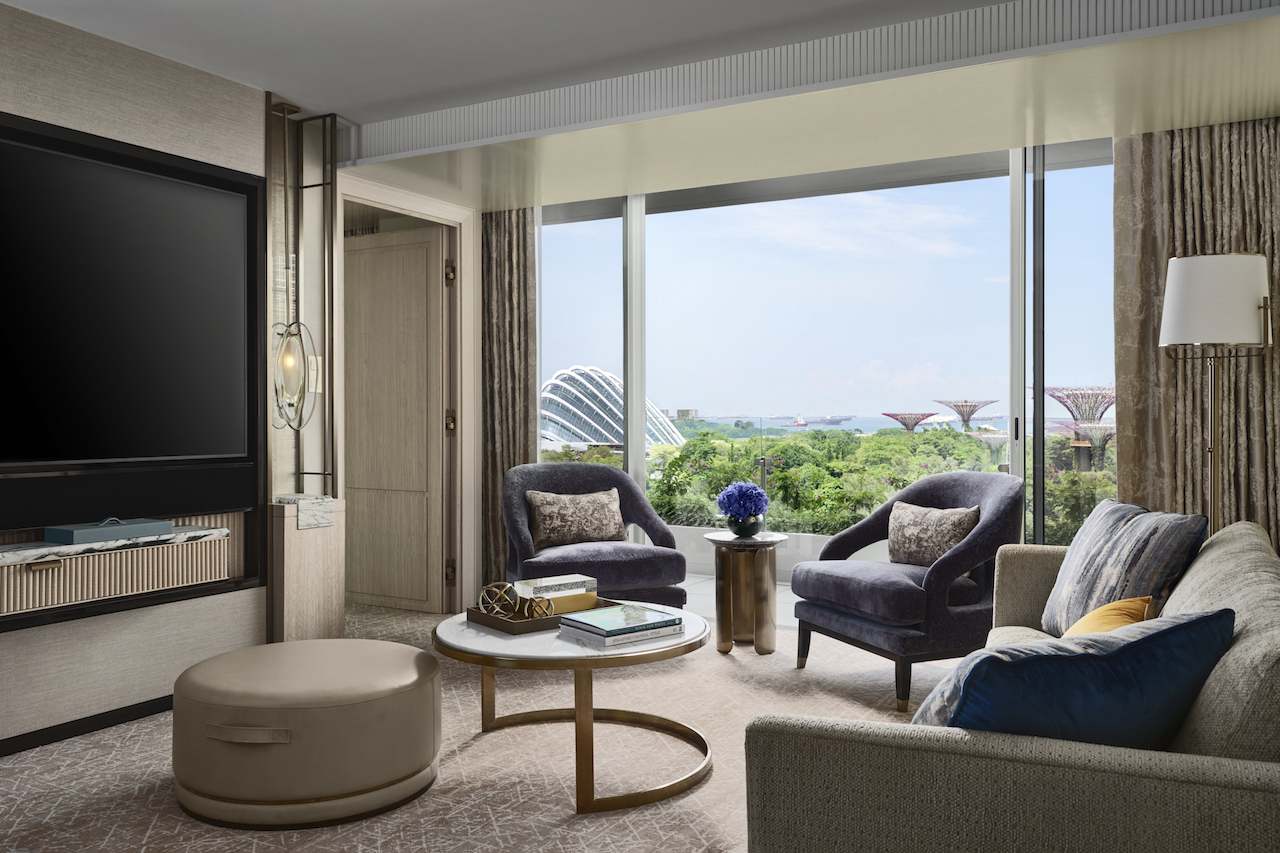
While Hong Kong leans into historical elegance, Marina Bay Sands (MBS) has doubled down on the "city of the future" aesthetic. Following a massive refurbishment of 1,850 rooms and 775 suites, the property has solidified its status as a titan of the hospitality industry.
The Paiza Collection: Precision and Power
At the pinnacle of the MBS renovation is the Paiza Collection, a 370-suite ensemble that caters to the ultra-high-net-worth traveler. The strategy here is clear: absolute autonomy.
- The Chairman Suite: A cavernous space designed for social dominance, featuring a 146-inch television and a private karaoke suite.
- The Presidential Suite: Designed for the active traveler, this suite includes a professional-grade golf simulator.
- The Horizon Suite: A pinnacle of wellness, this unit functions as a private clinic-spa, complete with a Himalayan salt wall, hammam, and private gym.
A Seamless Journey
The experience at MBS begins long before the guest enters their room. The "Paiza VIP Arrival" process bypasses the public chaos of the main lobby, utilizing private lifts and dedicated lounges to ensure that the guest’s transition from the airport to their suite is frictionless. With a 160-strong butler team, the ratio of service to guest is among the highest in the world, ensuring that no request—from a midnight omakase dinner to a custom wardrobe fitting—is too complex to fulfill.
Chronology of the Transformation
The current state of luxury in these properties is the result of a long-term strategic pivot:
- 2022–2023: Both properties initiate master-planning phases, focusing on "residential-style" design and the integration of wellness technology.
- Early 2024: Island Shangri-La begins the phased rollout of its renovated suites, focusing on the preservation of Hong Kong’s cultural identity.
- Late 2024–2025: Marina Bay Sands completes its massive room and suite refurbishment, signaling a shift toward tech-forward, ultra-luxury living.
- 2026: The full ecosystem of these suites—including private wellness, dining, and butler services—is officially operational, setting a new benchmark for regional hospitality.
Supporting Data and Amenities
To understand the scale of this luxury, one must look at the technical specifications:
| Feature | Island Shangri-La (Hong Kong) | Marina Bay Sands (Singapore) |
|---|---|---|
| Primary Design Focus | Heritage, Art, and Botanical | Tech, Wellness, and Entertainment |
| Wellness Integration | Yun Wellness Bath Rituals | Himalayan Salt Wall, Hammam, Sauna |
| Butler Staffing | Personalized, Discreet | 160-strong dedicated team |
| Culinary Edge | Petrus (Michelin) & Ming Pavilion | Waku Ghin & CUT by Wolfgang Puck |
| Tech Integration | In-room bespoke pantry & tea service | 146-inch TV, Golf Simulator |
Official Responses and Strategic Implications
In official statements, leadership at both properties emphasized that the "luxury of time" is the primary value proposition.
"Our guests no longer want to navigate the city to find the best of the city," noted a spokesperson for the Island Shangri-La. "They want the best of the city brought to their door."
For Marina Bay Sands, the strategy is about maintaining a "resort-within-a-city" environment. "By integrating high-performance wellness and private entertainment into the suite architecture, we are effectively removing the barriers between the guest and their lifestyle, whether that is training for a golf tournament or hosting a corporate reception," the management stated.
Implications for the Future of Hospitality
The rise of these hyper-luxurious suites has significant implications for the wider hotel industry:
- The Death of the "Lobby" Experience: As high-end travelers move toward private check-ins and in-suite services, the traditional hotel lobby may see a decline in utility for the ultra-wealthy.
- Wellness as a Suite Standard: Hotels will increasingly need to offer in-room wellness solutions—saunas, gyms, or spa equipment—to remain competitive in the luxury tier.
- The Curator Economy: The use of curated art and bespoke furniture suggests that guests are seeking an "authentic" local experience without the exposure to crowds. Hotels that fail to curate a distinct local narrative will find themselves at a disadvantage against those that leverage their regional history.
Conclusion: A New Peak of Comfort
As the Island Shangri-La and Marina Bay Sands demonstrate, the future of urban luxury is not just about what a hotel can provide, but how it can disappear. By creating suites that function as autonomous, high-performance environments, these properties have mastered the art of the "vertical sanctuary."
Whether it is the quiet, tea-steeped reflection of a Hong Kong morning or the high-tech, golf-simulated energy of a Singaporean evening, these suites prove that for the modern traveler, the ultimate luxury is a space that understands exactly who they are—and provides everything they need, without them ever having to ask. As these trends continue, the "upward" trajectory of luxury hospitality seems not just inevitable, but essential for the next generation of global nomads.