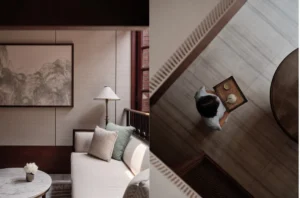

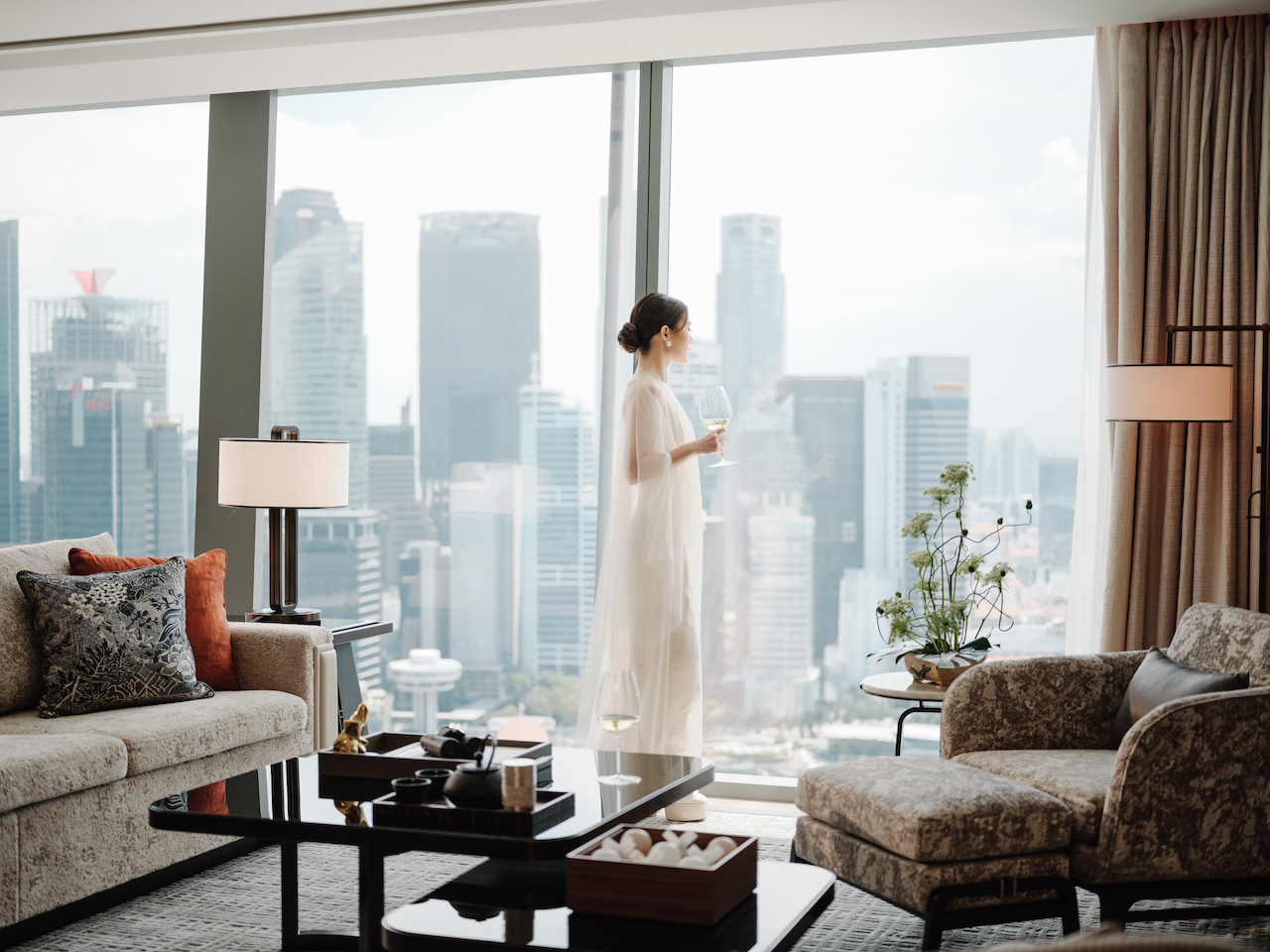
From the neon-lit verticality of Hong Kong to the architectural marvels of Singapore’s waterfront, the definition of the "urban sanctuary" is undergoing a radical metamorphosis. As global travelers increasingly demand more than just a place to sleep—seeking instead self-contained residential experiences that double as wellness retreats and private entertainment hubs—two of Asia’s most iconic hotels have responded with ambitious multi-year transformations. The Island Shangri-La in Hong Kong and Marina Bay Sands in Singapore have unveiled new tiers of luxury that prove the future of high-end hospitality is, quite literally, moving upwards.
The Evolution of the Skyline Sanctuary: Main Facts
The recent renovations at both the Island Shangri-La and Marina Bay Sands signal a departure from the traditional "hotel room" model. Instead, these properties are pivoting toward a "residential-plus" philosophy.
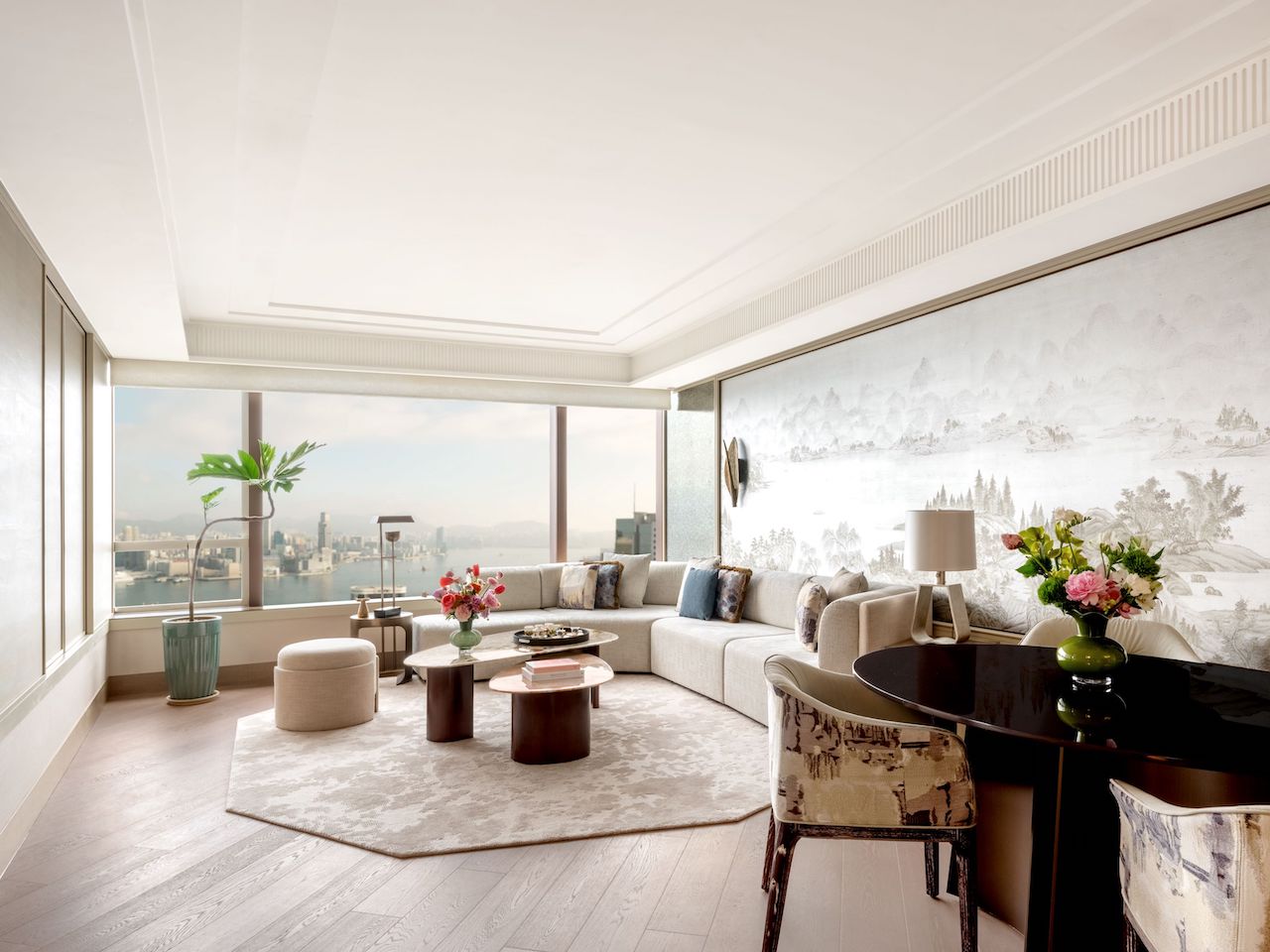
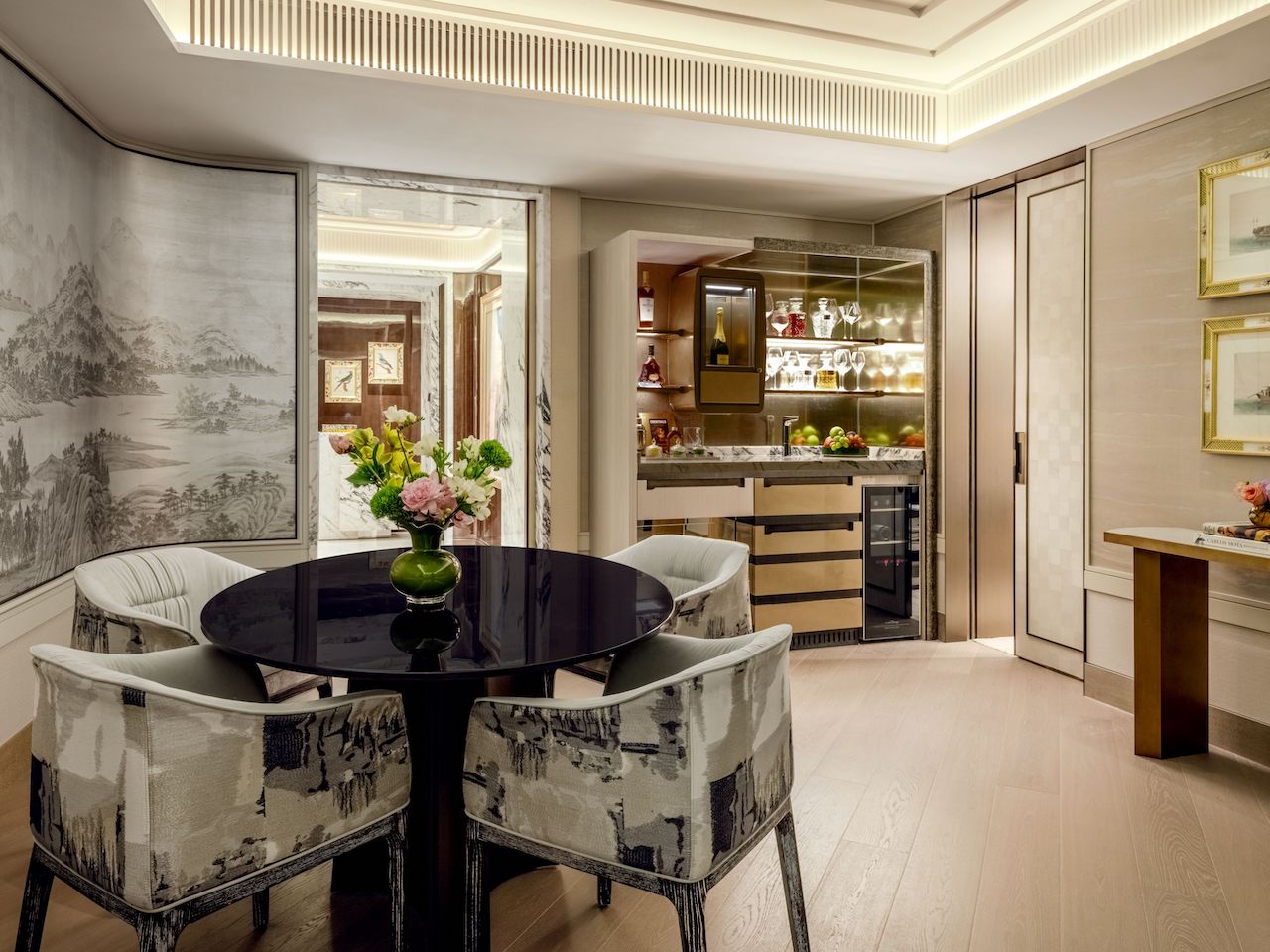
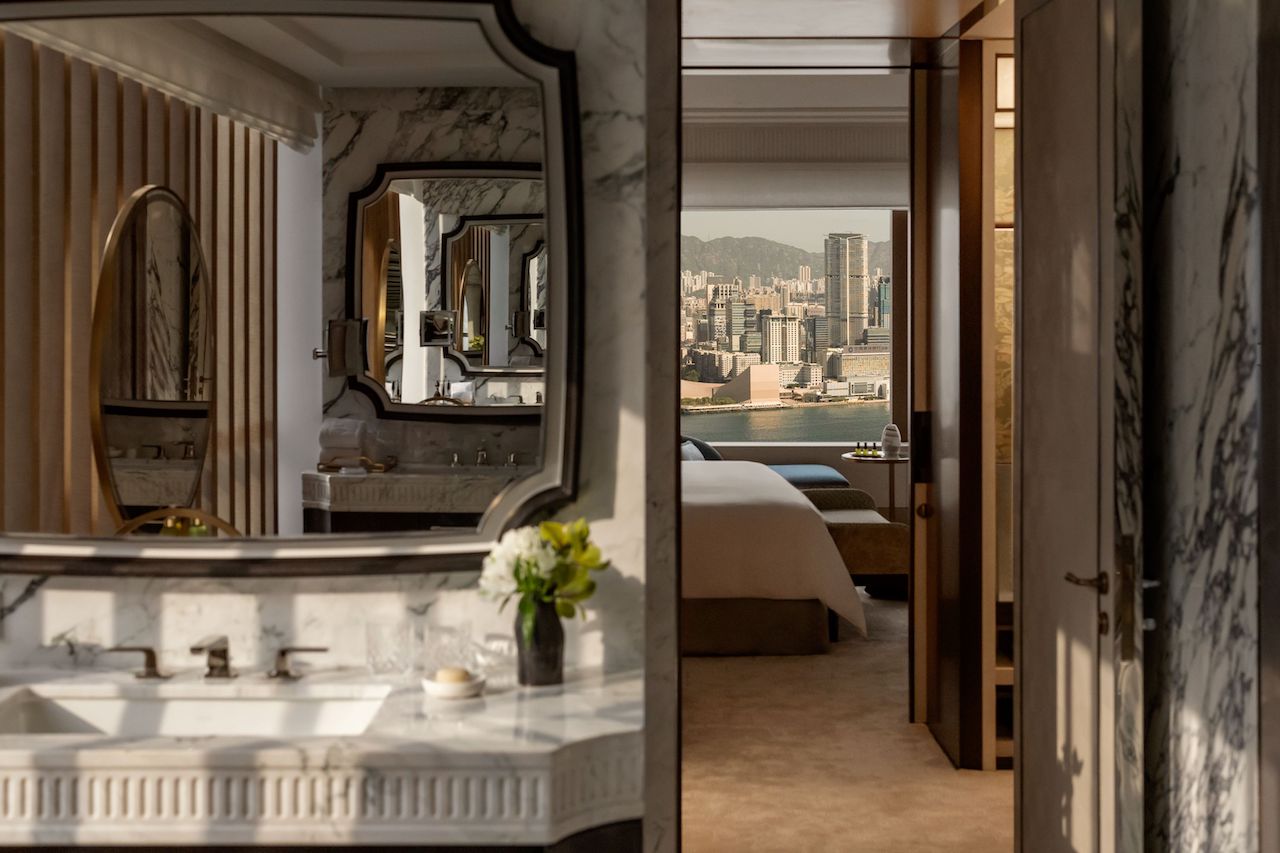
At the Island Shangri-La, Hong Kong, the newly unveiled Hong Kong Suite is a masterclass in cultural storytelling. Located on the 50th floor, the suite is a curated environment where 19th-century history meets modern-day comfort. The property has moved away from generic international decor, favoring a bespoke aesthetic that highlights local character through painted fabric walls, antique art, and a profound connection to the surrounding geography of Victoria Peak and the harbour.
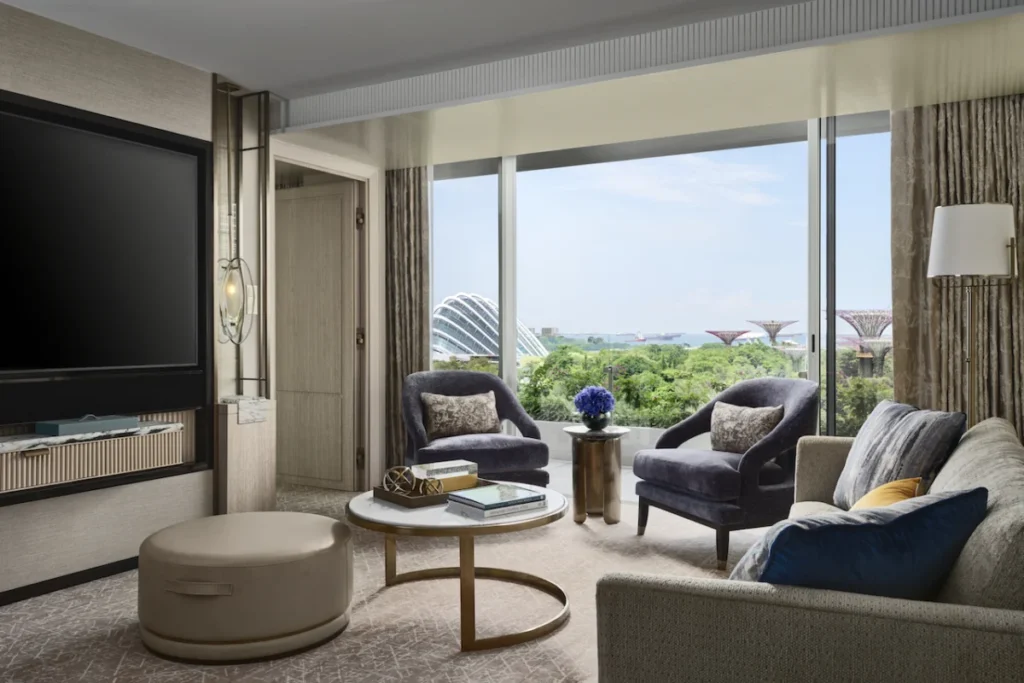
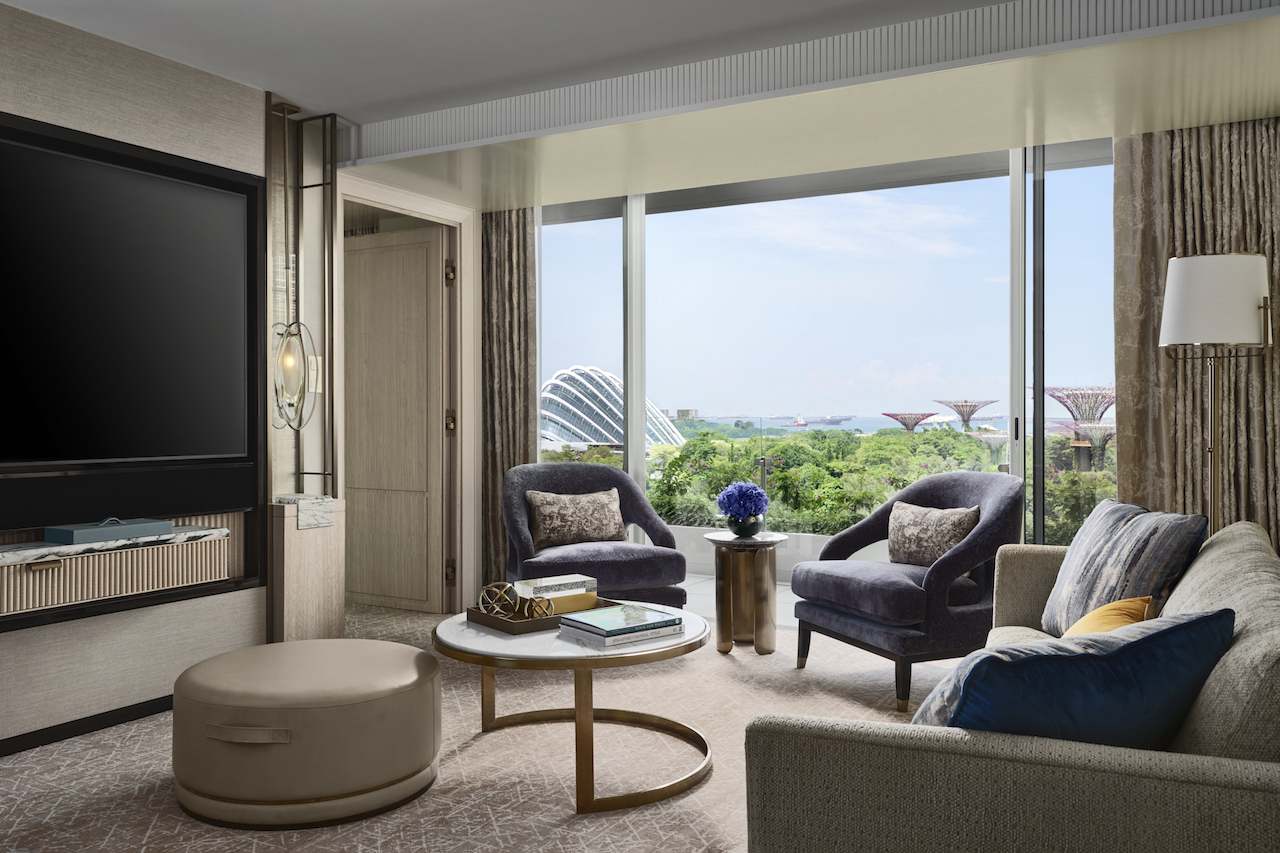
Conversely, Marina Bay Sands (MBS) has undertaken a massive structural repositioning. With 1,850 newly redesigned rooms and 775 suites, the hotel has segmented its offering into the "Sands Collection" and the ultra-exclusive "Paiza Collection." The latter, consisting of 370 suites, effectively functions as a hotel-within-a-hotel, offering dedicated infrastructure—from private arrival lounges to a 160-strong butler team—that caters to the ultra-high-net-worth individual.
A Chronology of Transformation
The shift toward these hyper-luxe environments did not happen overnight; it is the culmination of years of strategic planning.
- 2023–2024 (The Planning Phase): Both hotels initiated massive capital expenditure programs. Marina Bay Sands began the process of refreshing its inventory to meet post-pandemic expectations for larger, more functional living spaces.
- Late 2024 (The Island Shangri-La Shift): The Island Shangri-La commenced the final phases of its transformation, focusing on "The Hong Kong Suite." This period involved sourcing rare artifacts, such as 19th-century sampan paintings from Christie’s, to ground the suite’s identity.
- 2025–2026 (The Unveiling): This year marks the completion of the major refurbishment at Marina Bay Sands. The introduction of the Paiza Collection’s "sky residences"—including suites with private golf simulators and Himalayan salt walls—represents the pinnacle of this timeline, setting a new benchmark for what a hotel suite can contain.
Supporting Data: By the Numbers
The scale of these renovations is staggering.
- Marina Bay Sands: The refurbishment encompasses a total of 1,850 rooms. The Paiza Collection alone comprises 370 suites, supported by a dedicated staff of 160 butlers. The Chairman Suite, the flagship of the collection, boasts a 146-inch television, while the Presidental Suite includes professional-grade golf simulation technology.
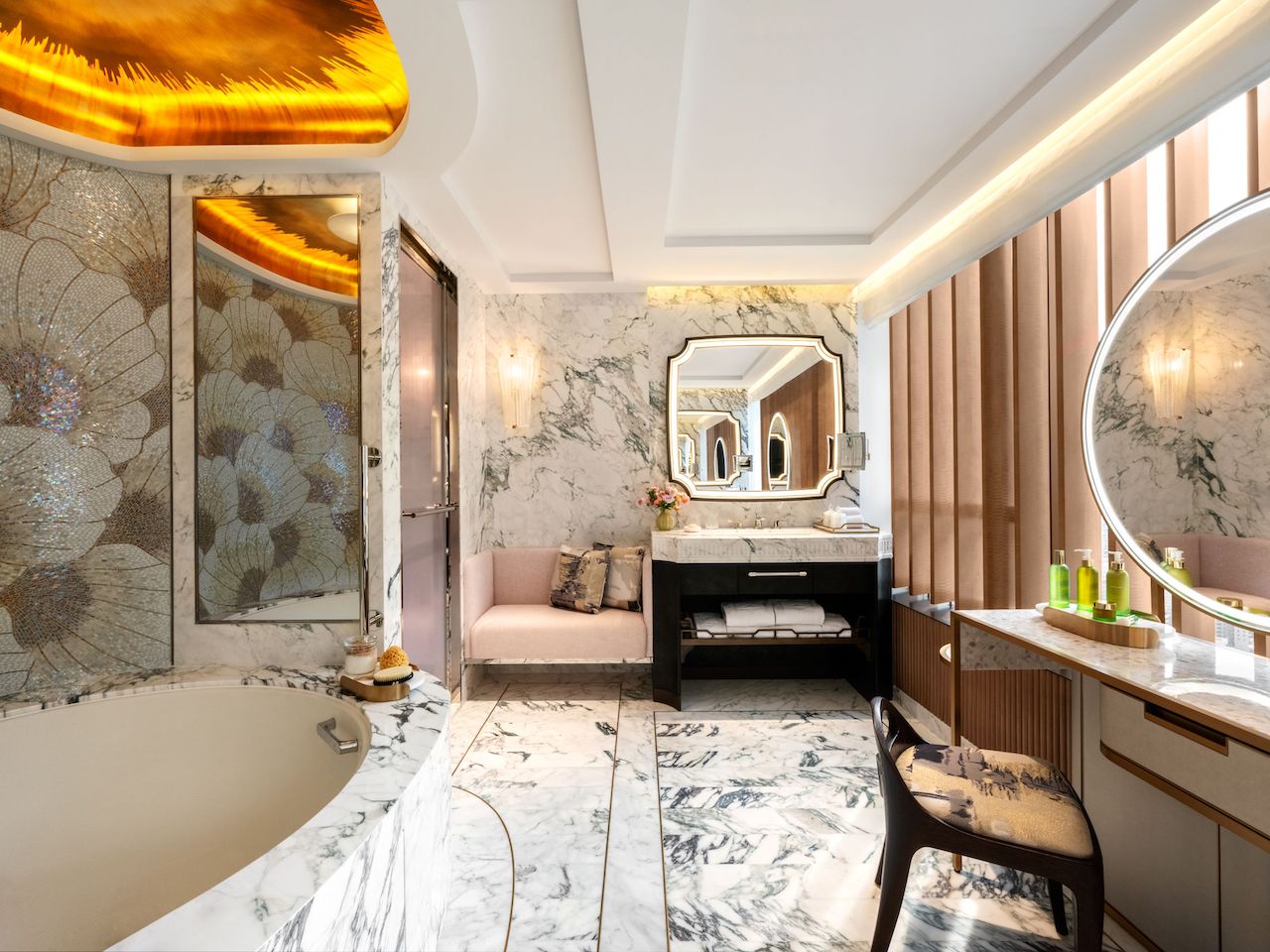
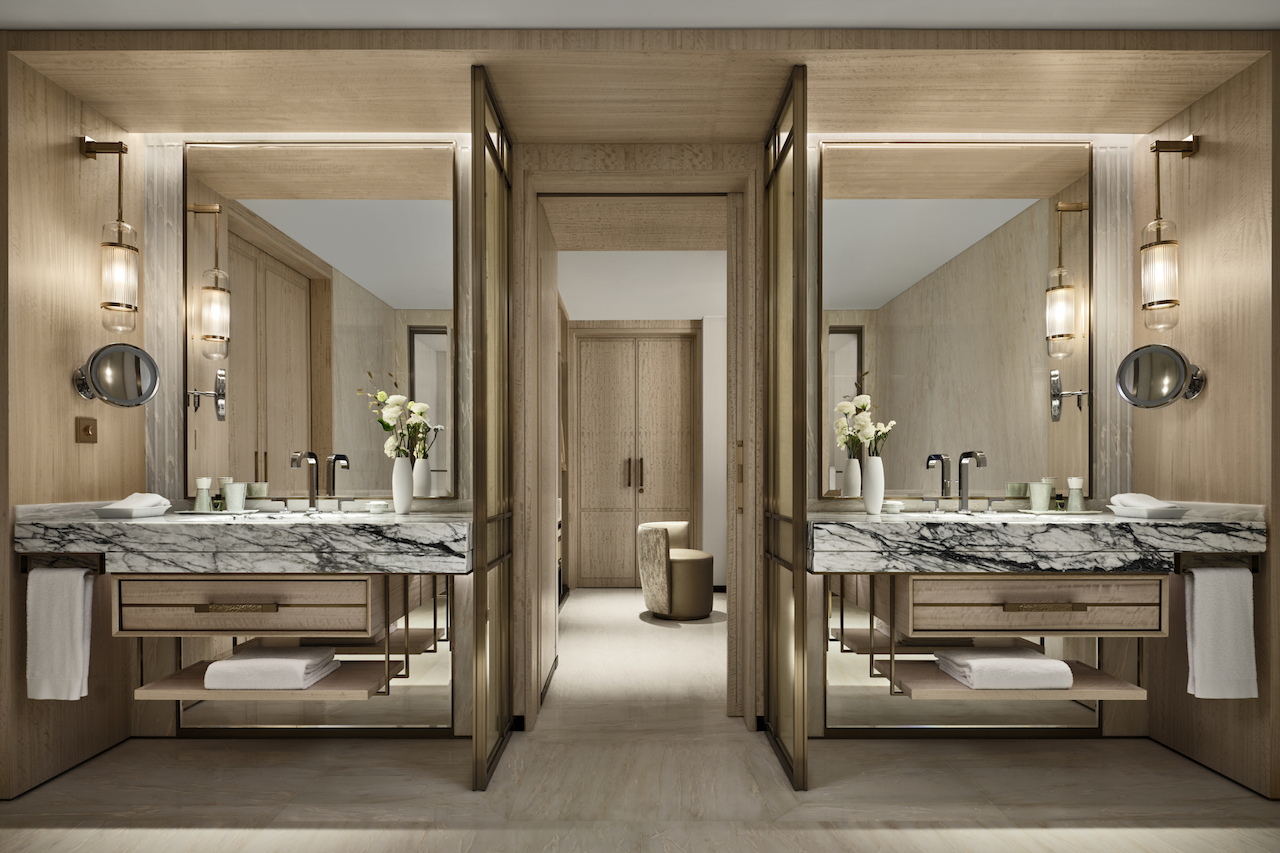
- Island Shangri-La: The focus here is on quality over quantity. The suite’s pantry is engineered for high-level hosting, featuring dual-zone wine refrigeration, a filtered water system, and a full kitchenette. The bathroom, designed as a private spa, uses hand-cut magnolia mosaics and a gold-leaf-accented ceiling to create a sensory experience that rivals the city’s top-tier wellness centers.
Official Responses: The Philosophy Behind the Design
Industry experts and hotel management suggest that these changes are not merely cosmetic; they are responses to a fundamental shift in guest behavior.
"The goal was to create a residence in the sky that feels deeply connected to the pulse of the city while offering a complete withdrawal from it," says a spokesperson for the Island Shangri-La. By integrating the lush greenery of Victoria Peak into the interior design—through wall murals and botanical motifs—the hotel aims to reduce the "concrete fatigue" often associated with urban travel.
At Marina Bay Sands, the strategy is one of "seamless integration." By providing guests with dedicated lifts, private lounges, and a personalized arrival experience, the hotel minimizes the friction typically associated with large-scale resorts. "Our Paiza guests are not looking for a room; they are looking for a lifestyle," notes the management team. "From the in-suite sauna to the karaoke room, we have designed these spaces so that a guest never truly needs to leave their sanctuary unless they desire to."
The Implication for Global Luxury Hospitality
The implications of these developments are far-reaching. We are witnessing the end of the "standard suite." In its place, hotels are creating specialized, functional environments tailored to specific lifestyle interests.
1. The "In-Suite" Wellness Revolution
The inclusion of Himalayan salt walls, dry saunas, and massage tables at Marina Bay Sands suggests that the "hotel spa" is no longer confined to the basement level. High-end travelers now expect the privacy of their own suite for wellness treatments. This trend forces other luxury chains to re-evaluate their square footage and utility layouts.
2. The Cultural Anchor
The Island Shangri-La’s focus on 19th-century art and local history demonstrates that luxury is increasingly defined by authenticity rather than brand ubiquity. In a world of globalized interior design, the ability to anchor a suite in the history of its host city has become a premium commodity.
3. The Rise of the Service Tier
The 160-strong butler team at Marina Bay Sands highlights that hardware (the room) is only as good as the software (the service). As these rooms become more complex—featuring kitchenettes, golf simulators, and spa equipment—the need for hyper-attentive staff to manage these assets becomes paramount. The hotelier of the future is part concierge, part property manager, and part event planner.
4. Gastronomic Integration
Both properties have doubled down on their culinary offerings, moving away from "hotel dining" toward destination-level restaurants. Whether it is the Michelin-starred Petrus at Island Shangri-La or the Omakase artistry of Waku Ghin at Marina Bay Sands, the integration of world-class dining into the hotel ecosystem is now mandatory.
Conclusion: Looking Ahead
As we look toward the future of luxury hospitality, the trajectory is clear: the suite is becoming a fortress of solitude and a platform for entertainment. The Island Shangri-La and Marina Bay Sands have successfully raised the ceiling—both literally and figuratively. By blending the high-touch service of the past with the high-tech, wellness-oriented demands of the future, they have created an urban experience that is, in every sense, elevated.
For the modern traveler, the luxury of space is no longer just about square footage. It is about the ability to curate one’s own environment, to find stillness amidst the city’s roar, and to access the world’s best amenities without stepping past the threshold of one’s own door. In the sky-high sanctuaries of Hong Kong and Singapore, the future of travel has arrived, and it is more comfortable—and more exclusive—than ever before.