By Editorial Staff
Published: August 21, 2026
In a significant maneuver to redefine convenience within the home improvement sector, The Home Depot has officially launched a nationwide express delivery service. This strategic initiative allows both professional contractors and DIY enthusiasts to receive essential project materials in three hours or less. By leveraging its vast physical footprint of over 2,000 U.S. stores as localized fulfillment hubs, the retailer is effectively blurring the lines between traditional brick-and-mortar shopping and the high-speed expectations of modern e-commerce.
This rollout represents the culmination of a multi-year effort to modernize the company’s supply chain, prioritizing speed, precision, and customer satisfaction in an increasingly competitive retail landscape.
The Core Strategy: Turning Stores into Fulfillment Engines
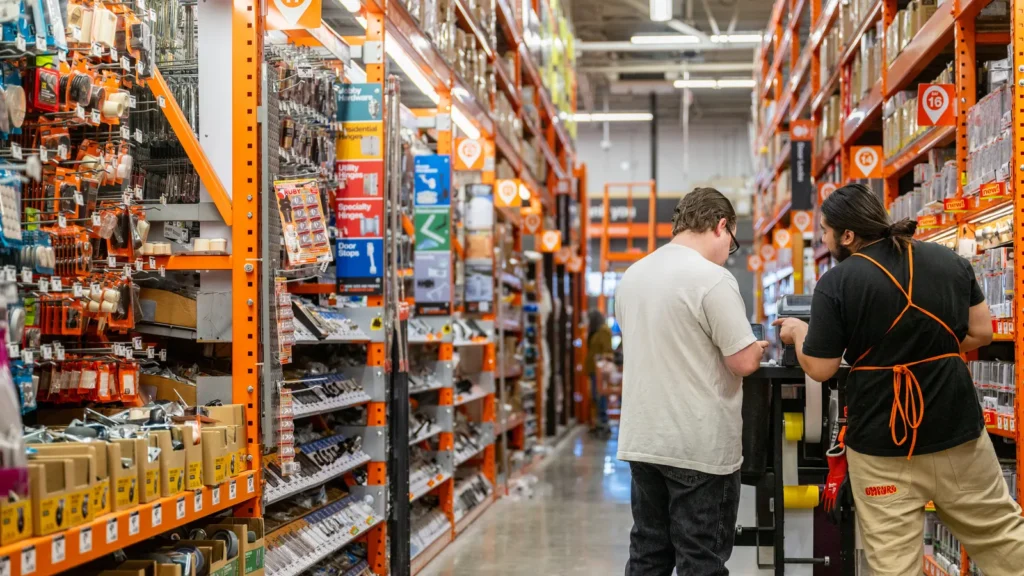
The Home Depot’s move to introduce three-hour delivery is not merely a logistical upgrade; it is a fundamental shift in how the retailer utilizes its real estate. By transforming more than 2,000 U.S. stores into micro-fulfillment centers, the company is placing inventory closer to the end consumer than ever before.
The service covers thousands of Stock Keeping Units (SKUs), spanning critical categories such as plumbing, hardware, paint, and tools. Eligibility is determined dynamically; customers can view whether an item qualifies for express delivery directly on product pages and within the digital cart during the checkout process.
To maintain accessibility, the company has opted for a straightforward, subscription-free model. The service is available for a $7 flat fee in the majority of major U.S. markets, with a slightly higher $10 flat fee in the Los Angeles area. By removing the barrier of a membership fee, The Home Depot is positioning its express service as a utility rather than a luxury, catering to the urgent needs of the "Pro" contractor who cannot afford project downtime, as well as the impulsive DIYer who prefers not to leave the job site.
Chronology: From Pilot Testing to National Rollout
The nationwide expansion did not happen overnight. The company spent the preceding months carefully testing the infrastructure and consumer response in select regional markets.
- Early 2025: The Home Depot began internal assessments of its distribution speed, setting an aggressive goal to cut delivery lead times across the board.
- Late 2025 – Early 2026: Select urban markets were chosen to pilot the express delivery model. These pilots were designed to stress-test the store-level fulfillment process, ensuring that staff could pick, pack, and hand off orders to delivery partners without disrupting the in-store shopping experience.
- Q2 2026: During the company’s most recent earnings call, leadership signaled that the pilot programs had exceeded performance expectations.
- August 21, 2026: The official announcement confirms the expansion of the service to a nationwide scale, marking a pivotal moment in the company’s "Interconnected Retail" strategy.
Supporting Data: By the Numbers
The Home Depot’s commitment to speed is backed by significant operational improvements. According to recent executive reports:

- 45% Reduction in Lead Times: Executive Vice President of Merchandising Billy Bastek noted that the company has successfully slashed U.S. delivery lead times by 45% over the last 18 months.
- Real-World Speed: EVP of Interconnected Retail Jordan Broggi revealed that, in many current testing markets, deliveries are already arriving in less than one hour, significantly outpacing the three-hour promise.
- Delivery Network Efficiency:
- Parcel Deliveries: The retailer’s delivery center network currently manages to deliver more than 65% of in-stock parcel products on a same-day or next-day basis.
- Big and Bulky: 55% of in-stock orders categorized as "big and bulky" are now delivered within a two-day window.
- Appliance Logistics: The company has modernized its appliance delivery model, now reaching 60% of the U.S. population with next-day service.
Official Responses and Executive Insight
The leadership team at The Home Depot views this service as a competitive necessity. During the Q2 2027 earnings call, Jordan Broggi emphasized that the company is not just meeting a benchmark but actively working to lower it.
"Now the majority of those deliveries are actually happening in less than one hour," Broggi stated. "We’ll continue to work that promise time down to customers in the months ahead, but we are super excited about that."
Billy Bastek echoed this sentiment, highlighting the scalability of the current model. "We are encouraged with the positive performance we are seeing in these markets, and we’ll continue to expand population coverage and SKUs throughout the year."
Furthermore, Senior Executive Vice President Ann-Marie Campbell addressed the evolution of the appliance sector, noting, "We’ve evolved our appliance delivery model to better serve direct purchases. We now stock a select assortment of appliances that can reach our customers next day in certain markets."

Implications for the Retail and Logistics Landscape
1. The Pro-Contractor Advantage
For the professional contractor, time is money. A missing bag of grout or a specific drill bit can stall a job, costing thousands of dollars in labor. By offering a three-hour delivery window, The Home Depot is effectively becoming an on-demand warehouse for job sites, potentially cementing its status as the preferred partner for trade professionals.
2. Supply Chain Integration
The Home Depot is demonstrating the power of "Interconnected Retail." By effectively merging its digital storefront with its physical retail inventory, the company is solving the "last-mile" problem that plagues many retailers. The ability to pull inventory from the shelf of a local store to satisfy an online order is a logistical hurdle that requires seamless software integration and labor management—both of which the company appears to have mastered.
3. The New Standard of Competition
The success of this program will likely force competitors—including Lowe’s, Ace Hardware, and regional lumber yards—to reconsider their own fulfillment timelines. If Home Depot can deliver a box of screws in under 60 minutes, the industry standard for "convenience" will likely shift permanently.
4. Economic and Labor Considerations
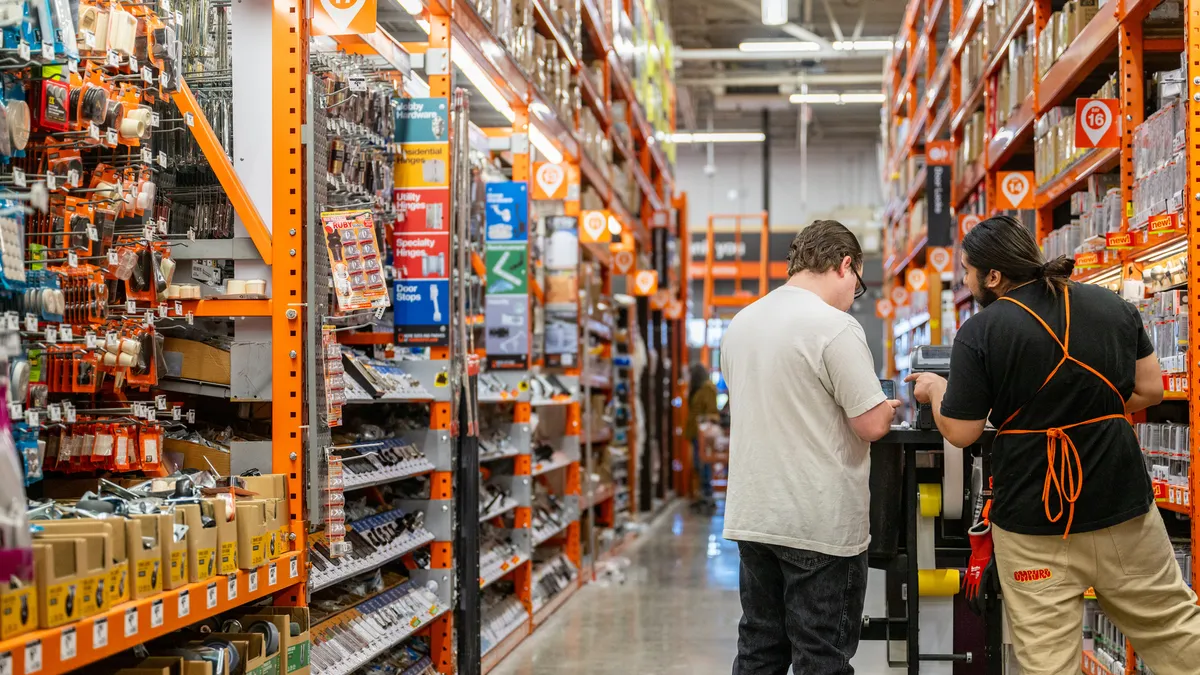
While the service is a boon for consumers, it puts pressure on the company’s labor force. Utilizing retail associates to pick orders during high-traffic periods requires a delicate balance. The company must ensure that the "express" promise does not detract from the quality of service provided to customers physically walking through the doors.
Looking Ahead
As The Home Depot continues to optimize its delivery network, the focus will likely shift to expanding the scope of eligible items. Currently, the service is optimized for smaller, high-velocity goods. However, as the company refines its localized fulfillment technology, it is expected that the range of products—potentially including larger project materials—will grow.
The company’s pivot toward hyper-speed fulfillment is a clear indicator that the home improvement industry is no longer immune to the "Amazon Effect." In an era where customers demand immediate gratification, The Home Depot is betting that the combination of its physical ubiquity and digital agility will keep it at the forefront of the home improvement market for years to come.
With the nationwide rollout now underway, the focus shifts to maintaining these ambitious delivery windows during peak seasonal demand, such as the spring renovation rush, which will serve as the ultimate test for this high-speed logistics network.