

By Caroline Jansen
Published October 2, 2026
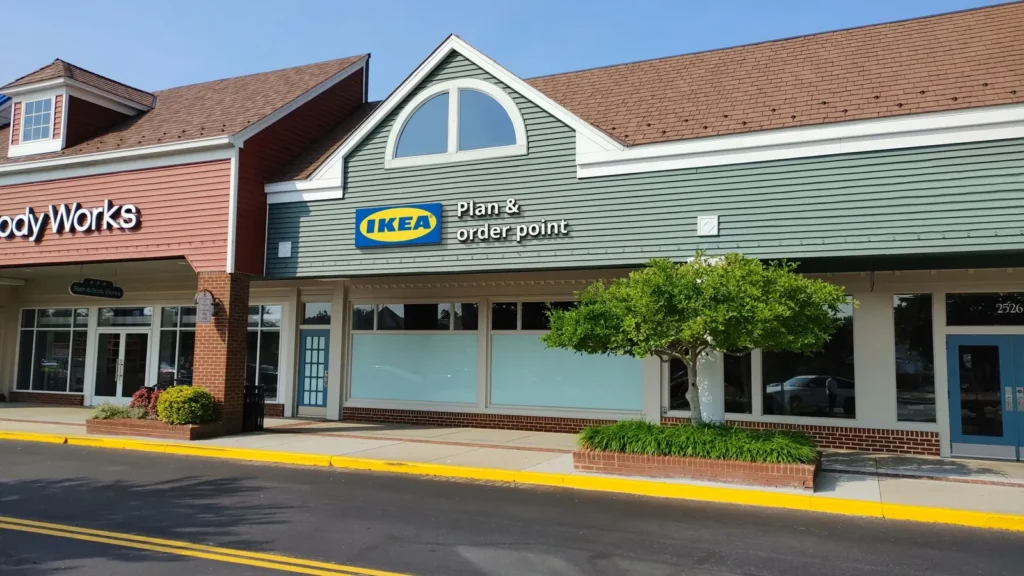
Ikea, the world’s largest furniture retailer, is undertaking a significant strategic pivot that signals a cooling of its aggressive pursuit of small-format "plan and order" stores. The company confirmed on Friday that it will shutter several locations across the Washington, D.C., Virginia, and Maryland region, including a prominent Georgetown storefront that opened less than twelve months ago.
This contraction marks a notable shift in tone for the Swedish home-furnishing giant, which until recently had positioned these compact, specialized showrooms as the cornerstone of its American growth strategy. While Ikea insists these closures are part of a broader, long-term evolution toward a "more affordable, accessible, and sustainable" business model, the move has prompted industry analysts to question the viability of the company’s recent real estate experiments.
Main Facts: The Scope of the Contraction
The closures target a specific, high-density market where Ikea had heavily invested in proximity-based retail. By pulling back from locations in the D.C. metro area, the company is effectively conceding that the "plan and order" model—designed for consultations on complex home projects like kitchens and bathrooms—may not be delivering the expected return on investment in every urban landscape.
The most striking casualty is the Georgetown location in Washington, D.C. Having opened its doors in late 2025, the site was touted as a premier destination for city dwellers to access Ikea’s design expertise without needing to trek to the sprawling suburban warehouses that have historically defined the brand. Its closure, occurring less than a year after its grand opening, highlights a rapid reassessment of local market performance.
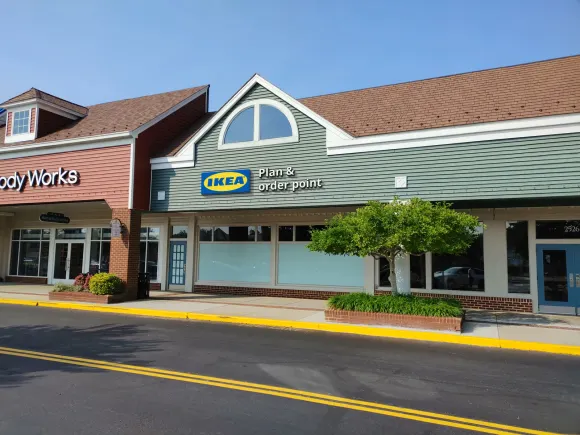
For existing customers who were in the middle of kitchen or bedroom renovations, the company has pledged to maintain continuity. Clients can transition their ongoing planning projects to other nearby stores or utilize the company’s digital remote planning tools.
Chronology: A Strategy in Flux
To understand the current closures, one must look at the timeline of Ikea’s recent U.S. expansion, which has been characterized by both high-stakes investment and sudden pivots.
- Spring 2023: Ikea announces a massive $2.2 billion investment in the United States. The goal is to strengthen fulfillment infrastructure and open a series of new, smaller-format stores to capture urban customers who are less likely to visit traditional, car-dependent showrooms.
- Late 2023: The company accelerates its "plan and order" rollout, launching several sites across the country, including in the D.C. area. These stores are positioned as service hubs rather than product warehouses, allowing customers to order items for home delivery or convenient pickup.
- November 2025: The Georgetown store opens in D.C., replacing an earlier "plan and order" site in Arlington, Virginia. At the time, the move was described as an optimization of the company’s footprint in the region.
- February 2026: Despite internal whispers of a looming slowdown, Ikea publicly reaffirms its expansion plans, pledging to open 10 additional stores across the U.S. in 2026, including its first-ever city-center concept in Los Angeles and a market entry in Oklahoma.
- October 2026: The company abruptly announces the closure of the D.C.-area sites, signaling a "reevaluation" of its footprint.
Supporting Data: The Retail Landscape
Ikea’s struggle to find the right balance between massive destination stores and small, agile urban touchpoints mirrors the challenges faced by many "big-box" retailers today.
Data from the retail sector suggests that while consumers enjoy the convenience of smaller showrooms, the operational costs of maintaining prime real estate in high-rent districts like Georgetown can be prohibitive. When those stores do not drive a sufficient volume of high-margin kitchen and bathroom installations, they become difficult to justify in a balance sheet that is also contending with supply chain volatility and rising labor costs.
Furthermore, the shift toward digital-first interactions has changed consumer behavior. If a customer can complete a design consultation via a video call—a technology Ikea has heavily invested in—the need for a physical "plan and order" office within a few miles of the customer’s home diminishes significantly.

Official Responses: Navigating the Pivot
In an email statement to Retail Dive, an Ikea spokesperson emphasized that the closures do not signal a retreat from the American market, but rather a refinement of its "omnichannel" approach.
"Plan and order points with pick-up are new format locations with a smaller footprint, designed to help customers plan big projects like kitchens, bedrooms and bathrooms, and access convenient pick-up options as part of our broader store network," the statement read. "Each of these locations is situated near another Ikea store. We are moving to shutter some of these locations as part of our strategy to build a more affordable, accessible, and sustainable future."
The company maintains that it is doubling down on its digital channels. By consolidating its footprint, Ikea hopes to allocate resources more efficiently toward "home delivery, pick-up services and its digital channels," effectively attempting to create more touchpoints without the overhead of physical retail space.
Implications: What This Means for the Future of Retail
The decision to close these locations has profound implications for both the brand and the broader retail industry.
1. The "Big-Box" Dilemma
Ikea’s brand identity is built on the "Saturday experience"—the labyrinthine walk through a massive showroom, followed by a meal in the cafeteria and a trip to the self-serve warehouse. The "plan and order" model was an attempt to decouple the brand from that time-intensive experience. The current closures suggest that for many, the brand is inseparable from the massive physical store.

2. Urban Real Estate Risks
The D.C. closures demonstrate the risks of "hyper-local" retail. When a brand opens a store in a neighborhood, it is betting that the local demographic will provide sustained, recurring foot traffic. If that traffic is seasonal or fluctuates based on the broader economic climate, these locations become vulnerable.
3. A Shift in Capital Allocation
While Ikea continues to expand in markets like Los Angeles and Oklahoma, the decision to shutter established, high-visibility D.C. locations suggests that the company is moving toward a more disciplined capital allocation strategy. It is no longer just about the number of stores opened; it is about the profitability per square foot.
4. The Customer Experience
For the average customer, the shift creates a degree of friction. While the company provides digital alternatives, the loss of a local design hub may alienate customers who prefer in-person professional advice for their home improvement projects. How Ikea manages this transition will be a litmus test for its customer loyalty programs.
Conclusion
As Ikea moves into the final quarter of 2026, the retail world will be watching closely to see if this contraction is an isolated correction or the beginning of a broader retreat from the urban, small-format experiment. By prioritizing digital fulfillment and core, large-format locations, Ikea is betting that its future lies in a more streamlined, centralized model—a return to its roots, perhaps, but with a digital-age twist. Whether this will satisfy the modern consumer’s demand for convenience remains to be seen.



