As the Japanese tourism landscape evolves beyond traditional sightseeing, a new vanguard of luxury hospitality is emerging. Leading properties across the archipelago are moving past the standard concierge experience, instead curating deeply personal, artisanal, and wellness-focused itineraries. From the intersection of high fashion and architecture in Tokyo to the ancestral fermentation rituals of Hokkaido and the meditative brushwork of Osaka, these unique hotel packages represent a sophisticated shift in how travelers connect with the essence of Japan.
The Intersection of Fashion and Heritage: The Dior-Palace Hotel Collaboration
Main Facts
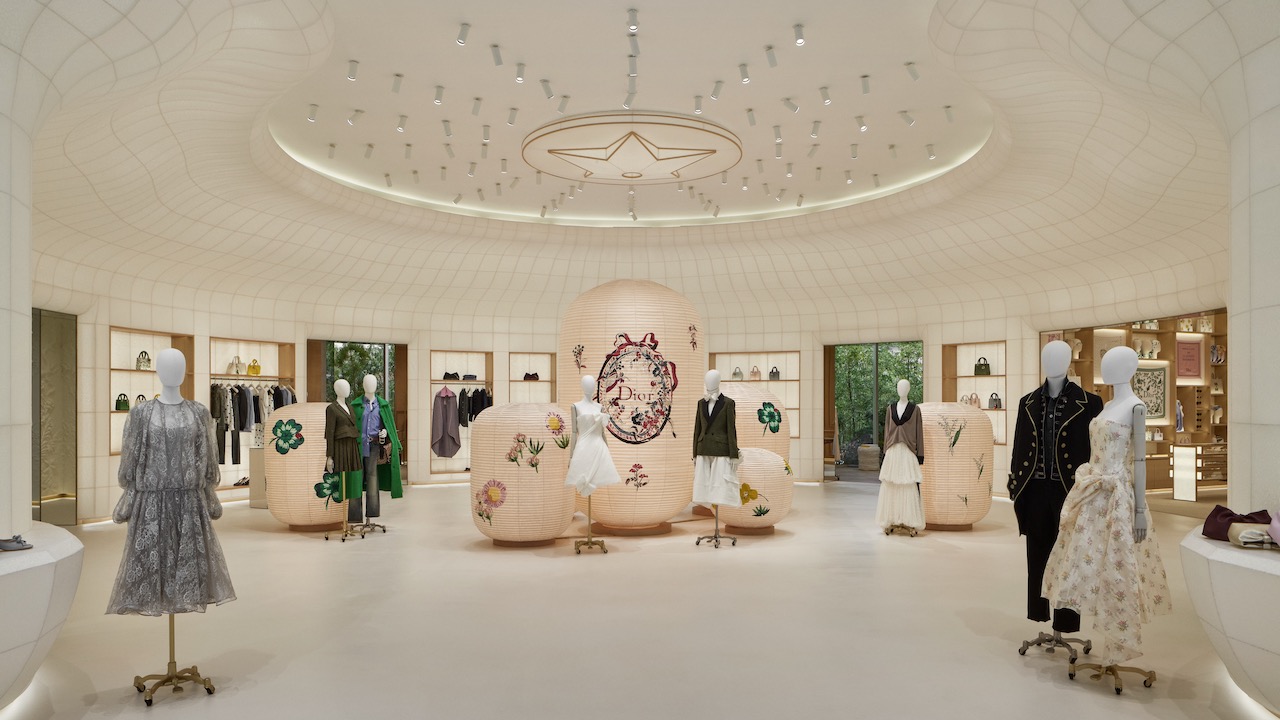
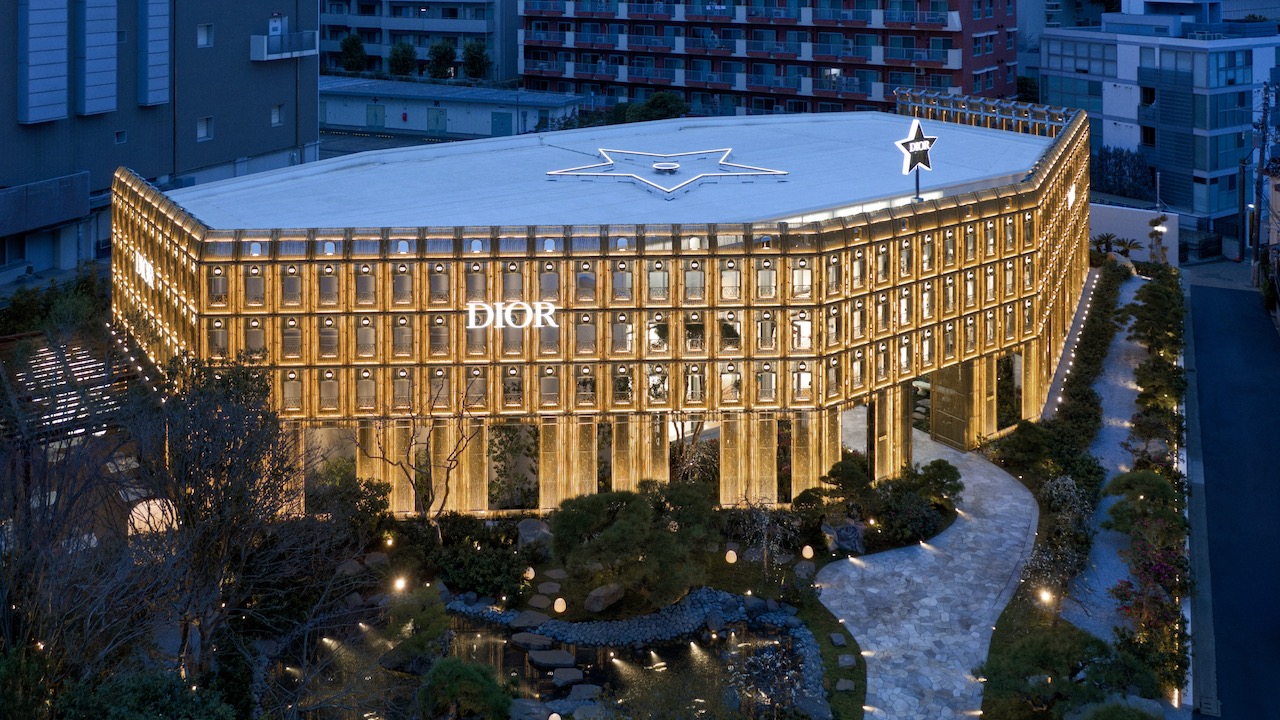
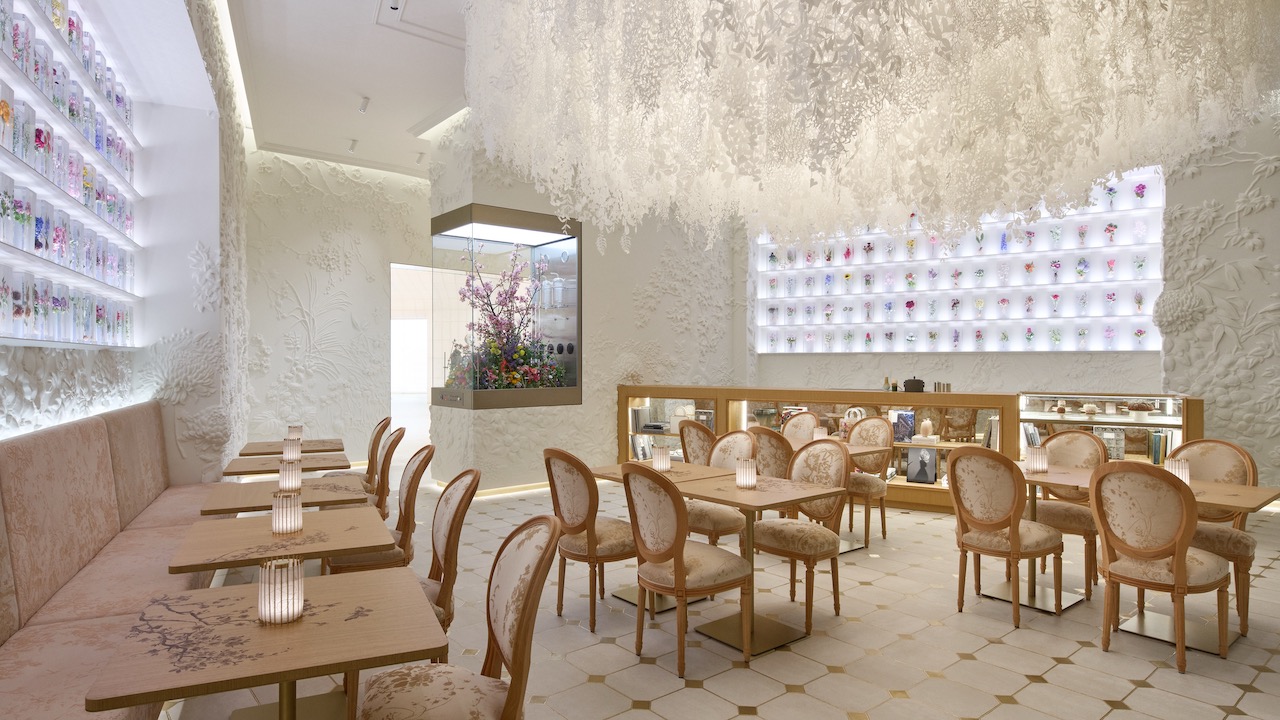
In a move that marries Parisian haute couture with Japanese craftsmanship, the Palace Hotel Tokyo has unveiled an exclusive partnership with Dior. This collaboration serves as a celebratory extension of the newly opened Dior Bamboo Pavilion in the Daikanyama district. The Pavilion itself is a structural marvel, featuring a golden aluminum façade that mimics the verticality of a bamboo forest, designed to reflect Christian Dior’s lifelong reverence for nature.
Chronology and Availability
The "A Touch of Dior" package is currently available for booking, with availability running through March 2027. Given the exclusive nature of the partnership, the hotel has restricted the package to a single booking per day, ensuring that every guest receives a highly personalized experience.
Implications for the Luxury Traveler
The collaboration goes beyond mere brand placement. By providing a private, chauffeured transfer to the Pavilion, the Palace Hotel—a property recognized by the Michelin Guide with its prestigious Three Keys distinction—is positioning itself as a cultural curator. The experience includes a culinary touchstone: a meal at Café Dior by the acclaimed French chef Anne-Sophie Pic. This is not just a hotel stay; it is a meticulously choreographed journey through the aesthetic sensibilities of two distinct cultures.
Wellness Reimagined: The Philosophy of ‘Kamosu’ in Hokkaido
The Rise of Fermentation Tourism
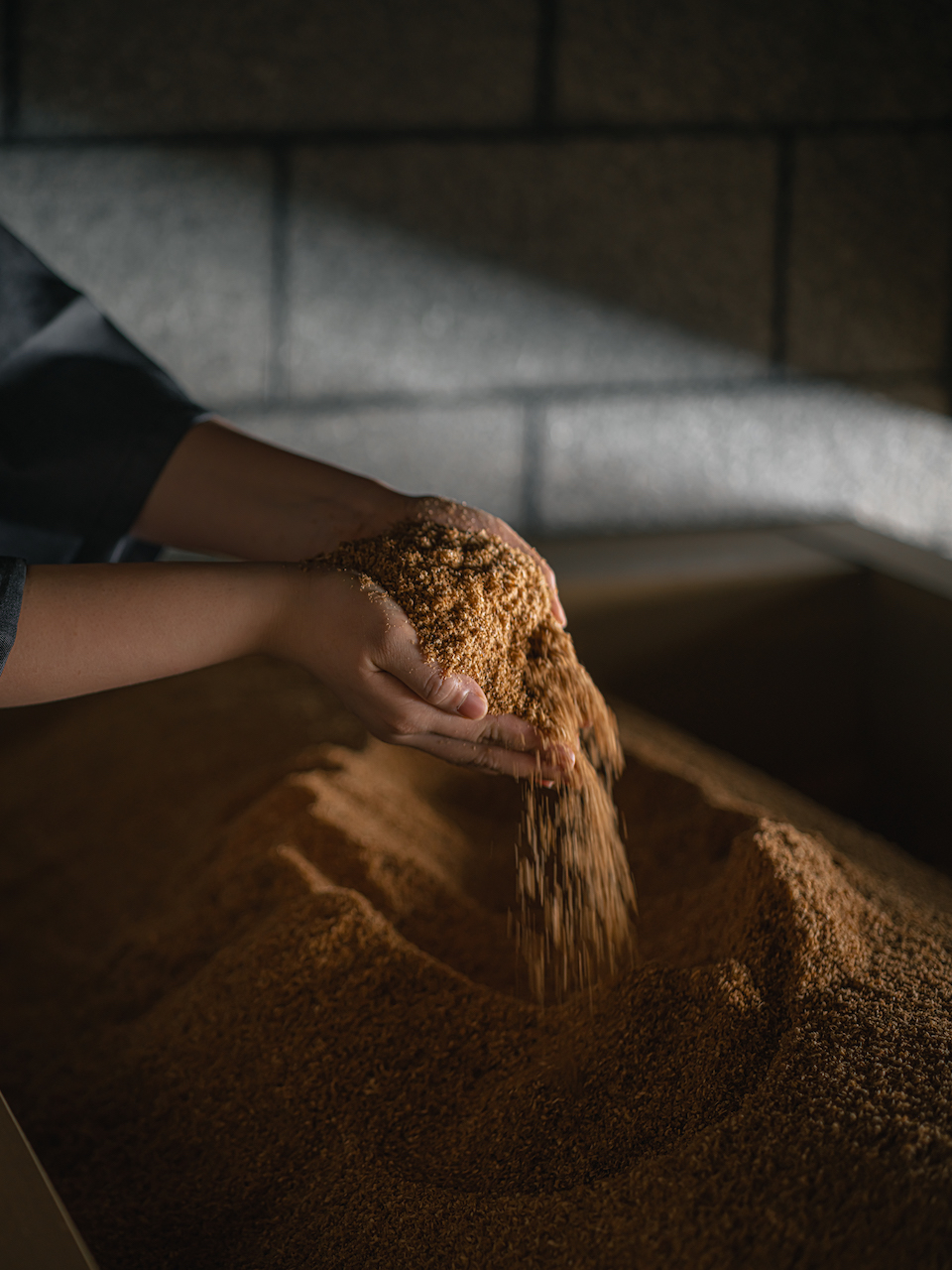
At the Otaru Retreat by Onko Chishin, located in the scenic Asarigawa Onsen district, the focus shifts from the visual to the visceral. Reopened in February 2026, the 19-room property has centered its identity on the Japanese philosophy of kamosu—the art of fermentation and gradual transformation.
Supporting Data: The Science of the Enzyme Bath
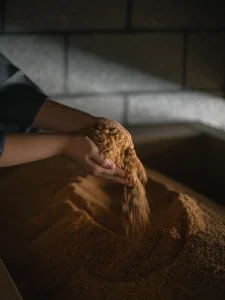
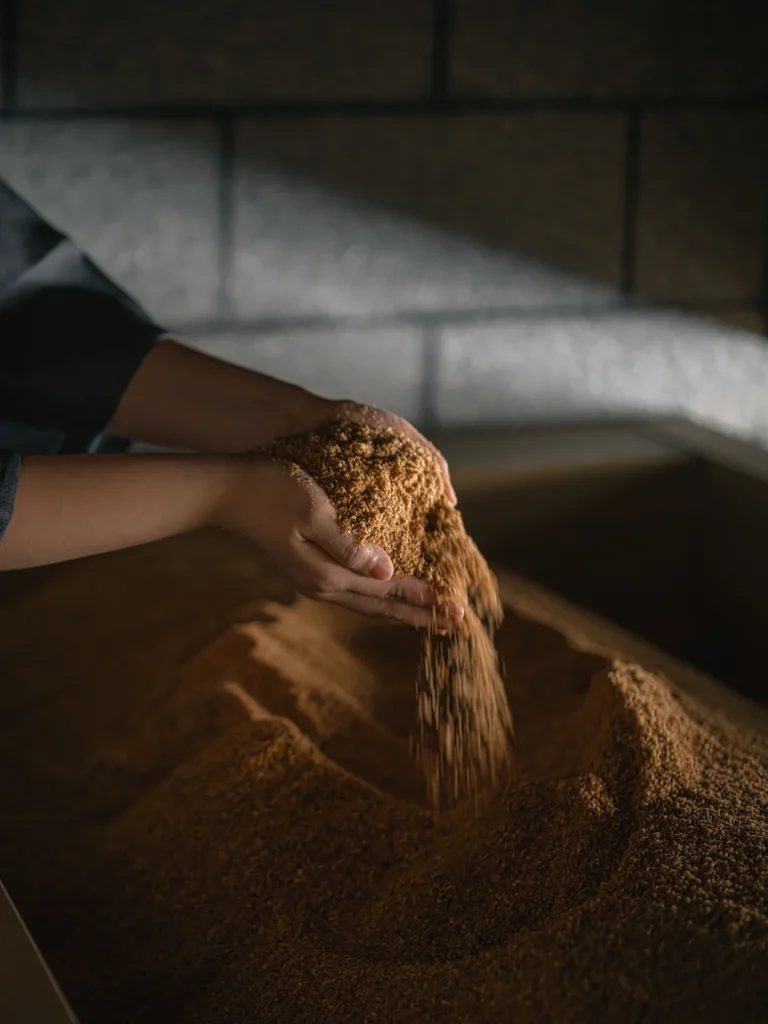
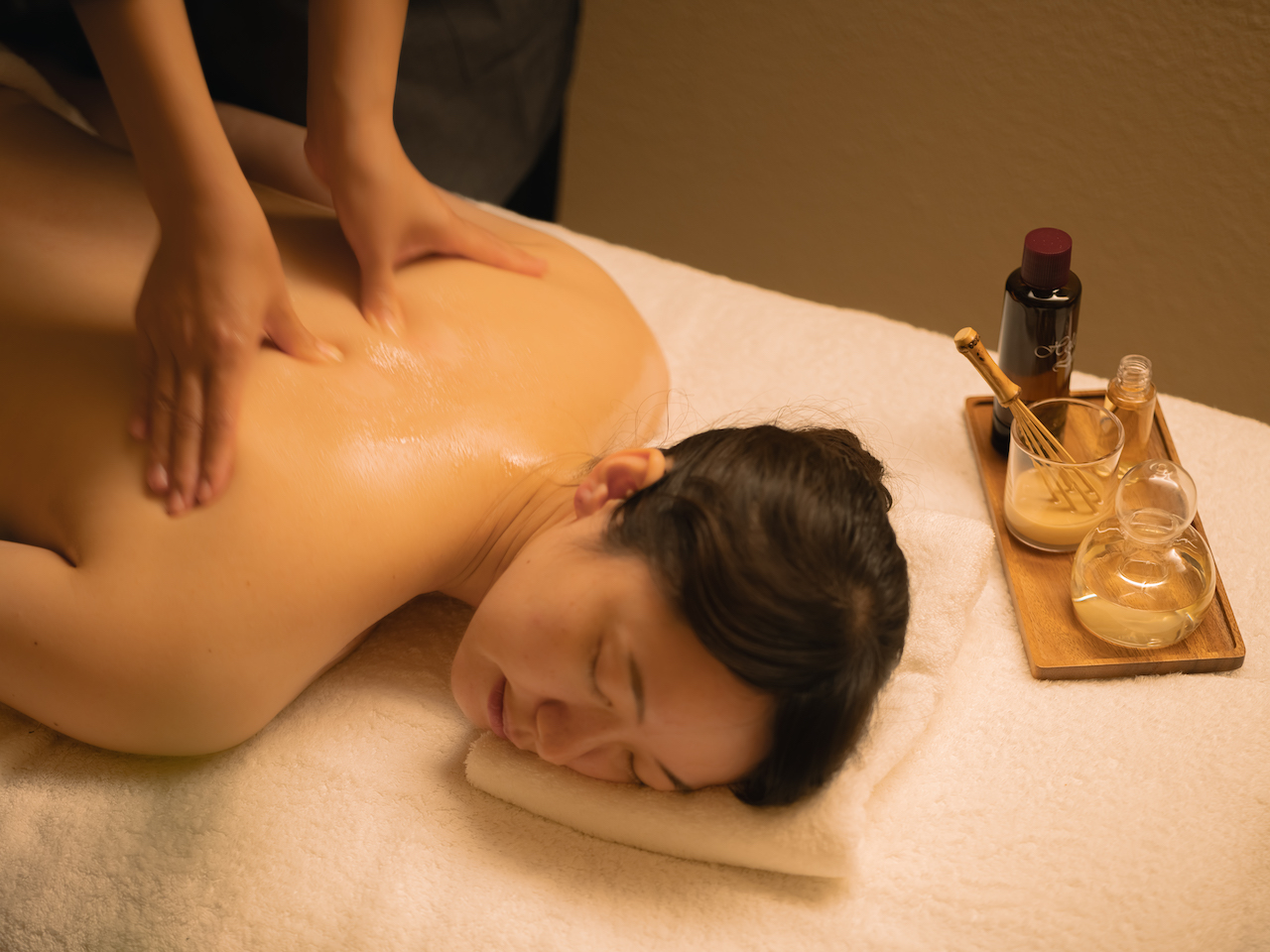
The retreat’s flagship offering is Hokkaido’s first in-property enzyme bath, developed alongside Ohtaka Enzyme, a local institution with over a century of history. Unlike traditional saunas, this treatment utilizes Hokkaido conifer sawdust combined with fermented botanical extracts. The microbial activity generates natural heat, which is scientifically noted for enhancing blood circulation and promoting skin renewal.
Wellness Infrastructure
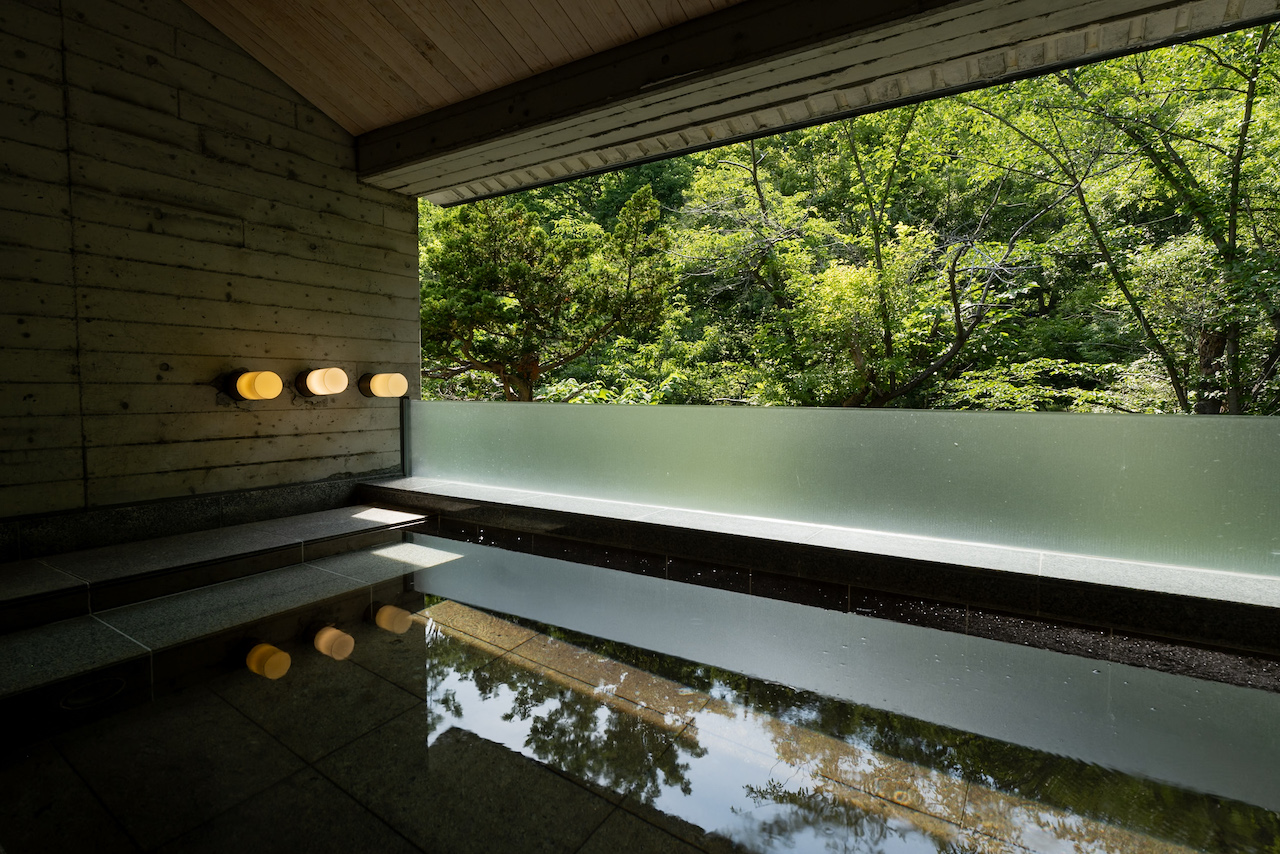
The property’s commitment to "slow restoration" extends to its Private Onsen Package. Here, the guest is invited into a secluded outdoor bath fed by the mineral-rich waters of the Asarigawa hot spring. Complementing the bath is a löyly steam ritual infused with kumazasa (bear bamboo), a local plant known for its antiseptic and restorative properties. The inclusion of locally sourced fermented beverages in the in-room minibar underscores the hotel’s commitment to integrating regional health traditions into every aspect of the guest experience.
The Essence of Shodō: Mastering the Brush in Osaka
The Zentis Osaka Residency
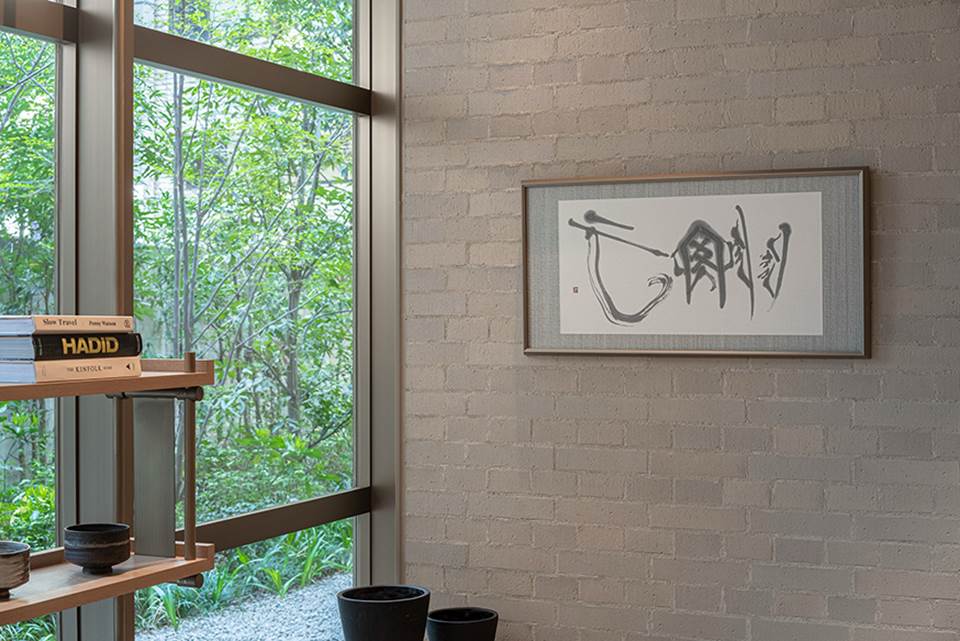
Cultural preservation is the pillar of the Zentis Osaka’s third Art-in-Residence program. Launched in June 2026, this initiative bridges the gap between the modern, boutique hotel environment and the ancient discipline of shodō (Japanese calligraphy). The hotel has transformed its public spaces into a gallery featuring 11 original works by master calligraphers Baikei Uehira and his son, Taiga Uehira.
Supporting Data: The Uehira Legacy
The Uehira duo represents a significant lineage in Japanese arts. Baikei Uehira, founder of the Seisho Calligraphy Association, is credited with modernizing shodō through live performance art. His son, Taiga, focuses on international outreach through Calligraphia Japan. The presence of their work within the hotel provides a backdrop for a stay that is intended to be both intellectual and tactile.
Official Response: Why Shodō Matters
According to the hotel’s programming team, the "Essence of Shodō" package is designed to provide "a rare opportunity to engage with one of Japan’s most enduring cultural traditions through both observation and hands-on practice." By offering a 60-minute private lesson with the masters themselves, the hotel removes the intimidation factor of traditional calligraphy, allowing international guests to experience the meditative flow that has defined Japanese intellectual life for over a millennium.
Comparative Analysis: The Evolution of Japanese Hospitality
| Hotel | Focus | Key Experience | Target Demographic |
|---|---|---|---|
| Palace Hotel Tokyo | Fashion & Art | Private Dior Pavilion Tour | High-end luxury travelers |
| Otaru Retreat | Wellness & Biology | Enzyme Bath & Onsen | Health-conscious, "slow" travelers |
| Zentis Osaka | Culture & Tradition | Shodō Calligraphy Lessons | Intellectual & creative travelers |
Implications of the Shift
The common denominator across these three disparate regions is a move away from mass-market tourism. Japan’s luxury sector is responding to a post-pandemic traveler who demands "meaningful consumption." Whether it is the chemical transformation of the body in an enzyme bath or the artistic transformation of the mind through calligraphy, these hotels are effectively acting as gateways to deeper cultural literacy.
The Economic and Cultural Impact
These packages carry significant implications for the Japanese hospitality sector. By integrating local artisans (such as the Uehiras or Ohtaka Enzyme) into the hotel value chain, these properties are driving economic support to regional specialists while simultaneously enhancing the prestige of the Japanese tourism brand.
For the traveler, the result is a stay that resists the homogeneity of global luxury. A guest at the Palace Hotel is not merely sleeping in a room; they are engaging with the history of French-Japanese fashion exchange. A guest at the Otaru Retreat is not just taking a bath; they are participating in a century-old fermentation tradition. A guest at the Zentis is not just visiting Osaka; they are learning the discipline required to hold a brush.
Future Outlook
As these programs continue to evolve, we can expect to see an increase in "micro-specialization" within the hotel industry. The success of these initial runs—particularly the restricted capacity of the Dior package and the artisanal focus of the Shodō program—suggests that the future of Japanese luxury is defined by exclusivity, craftsmanship, and a return to the quiet, meditative rhythms of Japanese life.
For those looking to book, the windows of opportunity are specific, ranging from the immediate availability of the Dior experience through early 2027 to the seasonal shifts in Hokkaido’s wellness retreats. Each of these experiences demands a slower pace, an open mind, and a willingness to participate in the ongoing dialogue between Japan’s storied past and its vibrant, innovative future.
In a world increasingly dominated by digital speed, these three experiences offer a necessary counterweight: the luxury of time, the beauty of the handmade, and the transformative power of traditional practice. Whether you are walking through a golden bamboo forest in Tokyo or practicing the brushstrokes of a thousand-year-old script in Osaka, the invitation remains the same: to stop, look closer, and find the deeper, often hidden, pulse of Japan.