The modern office, long defined by the rhythmic clatter of mechanical keyboards and the hushed tones of collaborative meetings, is undergoing a profound sonic shift. As artificial intelligence integrates deeper into our daily workflows, the primary interface for human-computer interaction is moving away from the QWERTY keyboard and toward the human voice.
Dictation apps, once the clumsy, error-prone tools of accessibility software, have evolved into sophisticated, high-speed interfaces. With the advent of tools like Wispr and the rise of "vibe coding"—a trend where developers use natural language to direct AI to build applications—the way we produce work is changing. Yet, as the silent era of the digital workplace draws to a close, it is sparking a fierce debate about etiquette, productivity, and the future of shared professional spaces.
The Evolution of Input: From Keystrokes to Conversational AI
For decades, the keyboard has been the undisputed king of the workplace. It provided a private, quiet, and discreet way to transmit complex thoughts into digital text. However, the rise of large language models (LLMs) has created a bottleneck: human thought speed far exceeds human typing speed.
Recent industry reports, including a prominent analysis by The Wall Street Journal, highlight a surge in the adoption of advanced dictation software. These tools are no longer just transcribing meetings; they are actively driving the development of software, emails, and complex documentation. When coupled with AI-driven coding environments, a user can effectively "speak" a product into existence.
This shift represents a fundamental change in cognitive load. By removing the physical barrier of typing, users can achieve a state of "flow" that mimics spoken conversation. However, this convenience comes with a significant social price tag: the noise pollution of a modern office.
Chronology: How the "Whisper Revolution" Began
The movement toward voice-first computing did not happen overnight. It is the result of a multi-year convergence of hardware and software advancements.
- 2020–2022 (The Foundation): The pandemic accelerated the use of voice-to-text tools during Zoom meetings. As transcription quality improved, users began to wonder why they couldn’t apply that same ease to drafting documents.
- Early 2024 (The Vibe Coding Boom): The introduction of AI agents capable of writing code based on natural language prompts changed the game for software engineers. Suddenly, "coding" became a conversational task rather than a syntax-heavy chore.
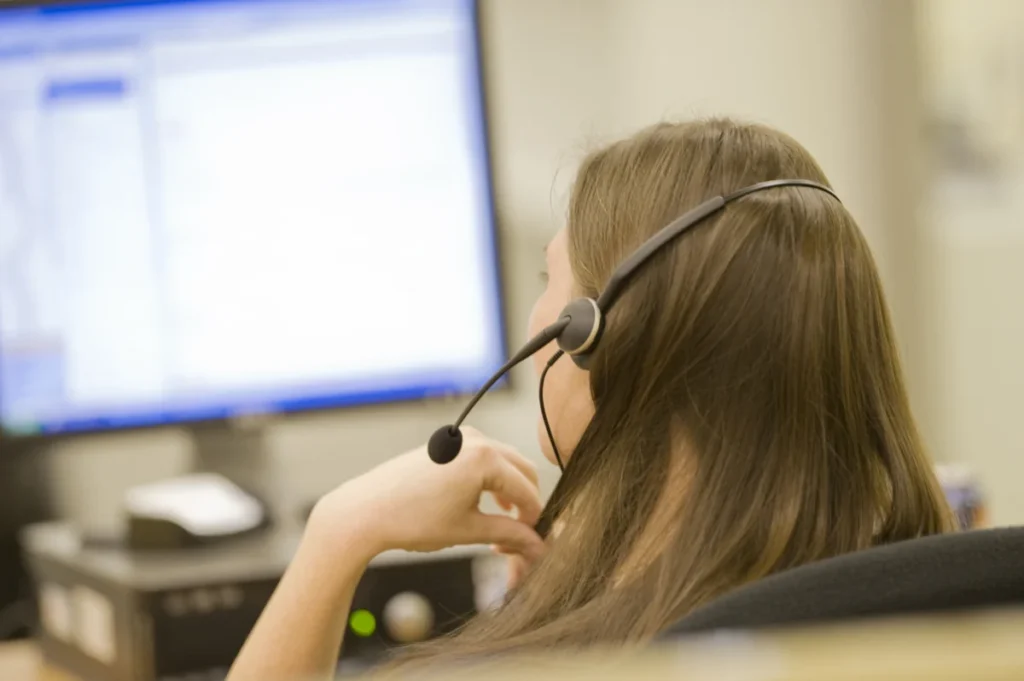
- Mid-2024 (The Social Friction Point): As venture capitalists and startup founders began integrating dictation tools into their daily workflows, office environments began to change. The "high-end call center" phenomenon became a visible trend in Silicon Valley and beyond.
- Late 2024 (The Current State): We are currently in a transition period where early adopters are grappling with the social pushback from colleagues, family members, and managers who find the constant murmuring distracting or unsettling.
Supporting Data: The Productivity vs. Noise Trade-off
The drive toward dictation is fundamentally about productivity. Proponents argue that the speed increase is undeniable. If an average person types at 40 to 60 words per minute, but speaks at 120 to 150 words per minute, the potential for output gains is immense.
However, the cost is the degradation of the "deep work" environment. In open-office plans, which were already criticized for their lack of privacy, the introduction of dozens of individuals whispering to their screens creates a cacophony of ambient noise.
According to anecdotes from startup founders, the sound of a modern office is beginning to mirror a high-energy sales floor. This is not necessarily an improvement. Research on office acoustics suggests that "irrelevant speech"—the sound of other people talking—is the most significant disruptor of focus. While a keyboard’s clack is rhythmic and easily ignored by the brain, human speech, even when whispered, contains linguistic information that the human brain is evolutionarily hardwired to process. This makes the "whispering office" a potential productivity nightmare for those trying to concentrate on deep tasks.
Official Responses and Industry Perspectives
The divide on this issue is stark, pitting efficiency-obsessed tech leaders against those concerned with the human element of the workplace.
The "Efficiency First" Perspective
Gusto co-founder Edward Kim has been a vocal proponent of the shift. In recent discussions regarding the future of AI-led teams, Kim noted that he now reserves typing for tasks that absolutely require it. His vision for the future of the office is one where sound is a sign of productivity, not a disturbance. "It will sound more like a sales floor," Kim remarked, framing the change as an inevitable progression toward a faster, more agile workforce.
The Skeptics and the Social Reality
Not everyone is sold on the vision of the "whispering office." For many, the practice is inherently awkward. AI entrepreneur Mollie Amkraut Mueller provides a candid look at how this habit bleeds into personal life. She reports that her husband has become increasingly frustrated with her tendency to whisper to her computer, a habit that has forced the couple to physically distance themselves during work hours. This suggests that the "voice-first" future may require a total redesign of our living and working spaces, emphasizing acoustic isolation over open-concept collaboration.
The "Normalizing" Defense
Wispr founder Tanay Kothari remains steadfast in his belief that the current annoyance is a temporary phase of adoption. Kothari compares the rise of voice-dictation to the rise of smartphones. In the early 2000s, staring at a screen for hours was considered anti-social and strange; today, it is the universal standard of professional and personal life. Kothari argues that as dictation becomes more precise and the software becomes more ubiquitous, society will develop a new "social contract" that accepts whispered interaction as a standard professional behavior.
Implications for the Future of Work
As we look toward the next five years, the transition to voice-first computing will likely force companies to rethink their physical infrastructure.
1. The Redesign of the Office
If the office of the future is going to sound like a sales floor, the open-plan office is functionally obsolete. We are likely to see a resurgence of "acoustic pods" or high-tech cubicles designed to dampen sound. Employers may need to invest in sound-masking technology or acoustic tiling to prevent the "whisper effect" from turning into a chaotic roar.
2. The Rise of "Silent Dictation"
The next frontier for hardware companies will be sub-vocal recognition—technology that can read the electrical signals in the throat or jaw muscles to interpret speech without the need for an audible whisper. If this technology hits the mainstream, it would solve the social etiquette problem entirely, allowing users to "speak" to their computers in complete silence.
3. Cultural Etiquette
We are entering a period of friction where workplace norms will be rewritten. Just as companies had to create policies around phone usage and social media, they will soon need to define "dictation etiquette." Does a meeting room allow for dictation? Is it acceptable to whisper during a collaborative brainstorm? The answers to these questions will define the culture of the next decade.
4. The Potential for Digital Isolation
The irony of AI-assisted work is that as we become more efficient at interacting with our machines, we may become less adept at interacting with our human peers. If a workplace is filled with people whispering to their computers, the spontaneous "water cooler" conversations that often drive innovation may disappear. The office could become a collection of individuals, all engaged in high-speed, voice-activated isolation.
Conclusion: A New Soundscape
The transition away from the keyboard is more than a technical upgrade; it is a cultural shift that challenges our definition of professional focus and social space. While the efficiency gains promised by pioneers like Edward Kim and Tanay Kothari are compelling, the psychological and social costs of a "noisy" office cannot be ignored.
Whether we are moving toward a future where our offices are perpetually buzzing with the hum of a hundred whispered conversations, or whether we are simply in the awkward "growing pains" phase of a new technology, one thing is certain: the era of the silent, keyboard-driven office is coming to an end. We must now decide how to build a future that embraces the speed of AI without sacrificing the human quiet that allows us to think, create, and collaborate in harmony.
The keyboard was the silent partner of the Information Age. As we enter the Age of Intelligence, our voice is taking center stage—and we are only just beginning to learn how to live with the volume.