The social media landscape is undergoing a seismic shift. For over a decade, the "free-to-use" model—where users trade their personal data for access to global connectivity and endless entertainment—has been the gold standard of the internet. However, TikTok has officially broken that mold in the United Kingdom, rolling out "TikTok Ad-Free," a subscription service that allows users to pay to remove advertisements from their feed.
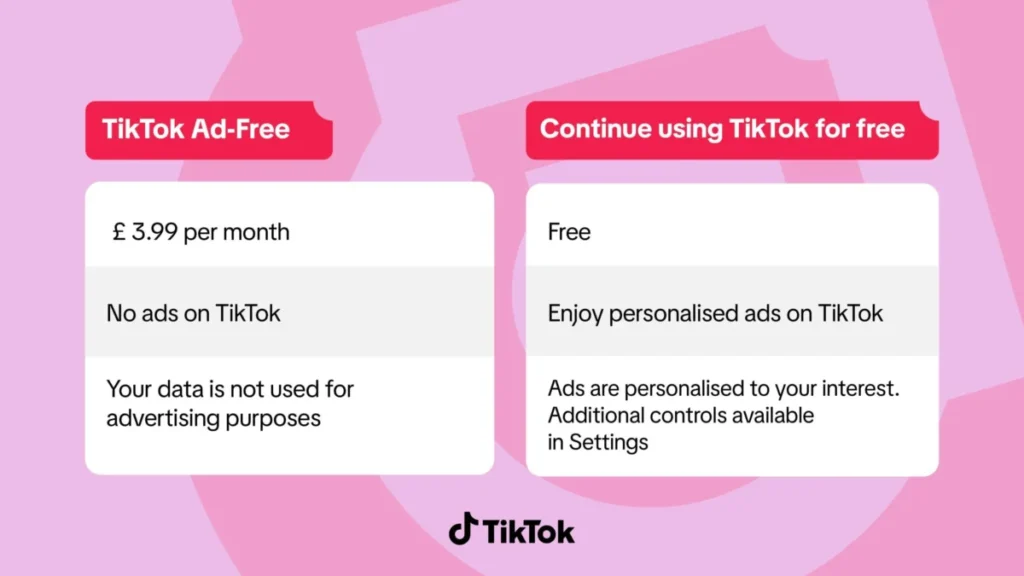
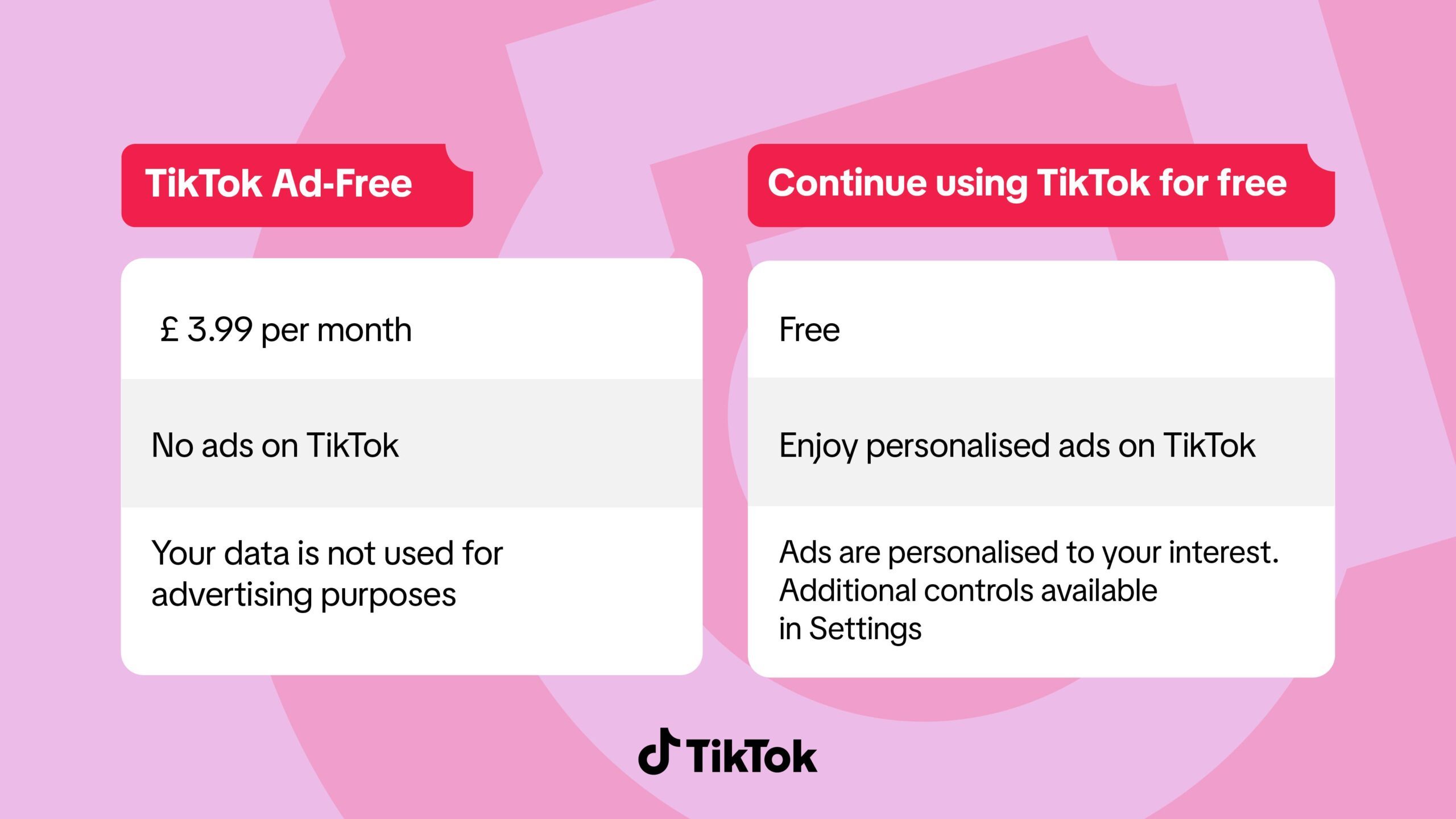
At £3.99 a month (approximately $5.40 USD), the move marks a significant evolution in how social media giants monetize their massive user bases. While the core experience of the app remains unchanged for those who choose not to pay, the introduction of a paid tier highlights a growing trend: privacy and ad-free browsing are increasingly becoming premium luxuries rather than standard digital rights.
The Mechanics of the Subscription
Starting this week, TikTok has begun issuing pop-up notifications to eligible users across the United Kingdom. The rollout is set to be gradual, eventually reaching all users aged 18 and older.

For the price of a standard cup of coffee, subscribers gain access to an ad-free "For You" feed. Crucially, the subscription does more than just hide banner ads; TikTok has confirmed that paid subscribers will no longer have their personal data harvested for the purpose of targeted advertising. This distinction is vital, as it positions the subscription not just as a convenience feature, but as a privacy-centric tool.
However, the "ad-free" promise comes with a caveat. Users should be aware that the subscription does not remove content from influencers or brands that is natively integrated into the feed. Sponsored posts, paid partnerships, and content explicitly tagged with "#ad" will remain visible. This ensures that the creator economy—which fuels much of TikTok’s growth—remains intact, as these promotional posts are considered part of the user-generated content ecosystem rather than platform-level advertisements.
A Chronology of the Shift
The transition toward subscription-based social media did not happen overnight. It is the result of years of testing and regulatory pressure.

- 2023: The Initial Leak: Speculation first emerged in late 2023, when eagle-eyed users spotted code and screenshots suggesting TikTok was testing a $4.99 monthly tier. At the time, the company remained tight-lipped, treating it as an internal experiment.
- Late 2024 – Early 2025: Regulatory Pressure: As UK and EU regulators tightened data protection laws—specifically regarding how platforms profile users for targeted ads—tech giants found themselves in a bind. They needed a way to offer users a "genuine choice" regarding data usage.
- December 2025: Official Launch: TikTok formally announced the launch of the service in the UK, framing it as "more choices for how you experience ads."
- The Present: The rollout continues, with industry analysts watching closely to see if the model expands to the United States and other international markets.
Navigating Data Protection Laws
The primary driver behind this move is not just revenue—it is compliance. Modern data protection frameworks, such as the UK’s post-Brexit iterations of the General Data Protection Regulation (GDPR), require companies to obtain explicit, informed consent before processing personal data for behavioral advertising.
By introducing a paid tier, TikTok is effectively creating a binary choice for the user: either consent to the platform’s data-harvesting practices in exchange for a free service, or pay a fee to opt out of that data collection entirely. This model allows the company to argue that it is providing users with a legitimate, voluntary path to privacy, a defense that has become increasingly popular among Silicon Valley giants facing scrutiny from regulators.
The Industry Context: A New Norm?
TikTok is far from the only platform adopting this strategy. In fact, it is following a well-trodden path established by its rivals. Meta, the parent company of Facebook, Instagram, and WhatsApp, has been the most aggressive in implementing "Plus" or "Premium" subscription tiers.
Instagram Plus has already been tested in several international markets, offering users perks like enhanced insights, extended Stories, and exclusive customization options. Similarly, WhatsApp—a platform that prided itself on being free and ad-free for years—is now exploring "WhatsApp Plus," which includes custom themes, premium sticker packs, and improved chat organization features.
This trend suggests a broader industry pivot: the "Attention Economy," which relied on mining user data to sell to advertisers, is becoming less sustainable in the face of stricter privacy laws. Subscription revenue provides a more predictable, stable income stream that is not subject to the volatility of the global advertising market.
Supporting Data and Market Implications
While the shift to paid tiers is clear, the long-term impact on user retention remains a subject of intense debate. Research into social media usage patterns indicates that while users often claim to dislike ads, they are notoriously hesitant to pay for services they have grown accustomed to receiving for free.

Data from similar experiments at companies like X (formerly Twitter) and YouTube (via YouTube Premium) shows that while a small percentage of "power users" are willing to pay for an ad-free experience, the vast majority of users remain on the free, ad-supported tier. For TikTok, the goal may not be to convert every user to a subscriber, but rather to diversify revenue streams while keeping the platform compliant with regional laws.
Furthermore, there is a psychological component to this shift. As users become accustomed to paying for "premium" versions of their favorite apps, the digital divide between those who can afford an ad-free, private experience and those who must accept data tracking as the price of admission will likely widen.
Official Responses and Public Sentiment
TikTok’s official stance remains focused on "choice." In their announcement, they emphasized that the free version of the app will remain unchanged for those who do not wish to subscribe. Users who stay on the free plan will continue to see personalized ads, though they retain the ability to manage their ad preferences within the app’s settings.

Public reception has been mixed. While many users appreciate the move toward greater privacy, others are critical of the "subscription fatigue" that is beginning to plague the average consumer. With subscription fees for streaming services, cloud storage, and news outlets already mounting, adding a social media fee is a difficult sell for many households.
The Future of Social Media
Looking ahead, the success of the TikTok Ad-Free tier will serve as a bellwether for the entire tech sector. If the subscription model proves profitable and results in higher user satisfaction, we can expect to see a cascade of similar offerings from other platforms.
However, the rise of subscription-based social media also opens the door for alternatives. As seen with the recent return of projects like "Divine"—a reboot of the iconic video-sharing app Vine, backed by Jack Dorsey—there is still a strong demand for simple, community-focused platforms that prioritize content over complex monetization schemes.

The "free" internet is not dying, but it is certainly changing. As platforms like TikTok navigate the intersection of regulation, profit, and user experience, the next few years will define the future of digital engagement. For now, the choice is yours: stay in the free, ad-supported ecosystem, or pay to opt out of the data-driven world.
Whether this shift leads to a more private internet or simply creates a two-tiered system remains to be seen. What is clear, however, is that the era of "free" as we once knew it is officially coming to a close. As users, we are forced to weigh the cost of our privacy against the convenience of our favorite apps, a calculation that will likely become a regular part of our digital lives in the years to come.