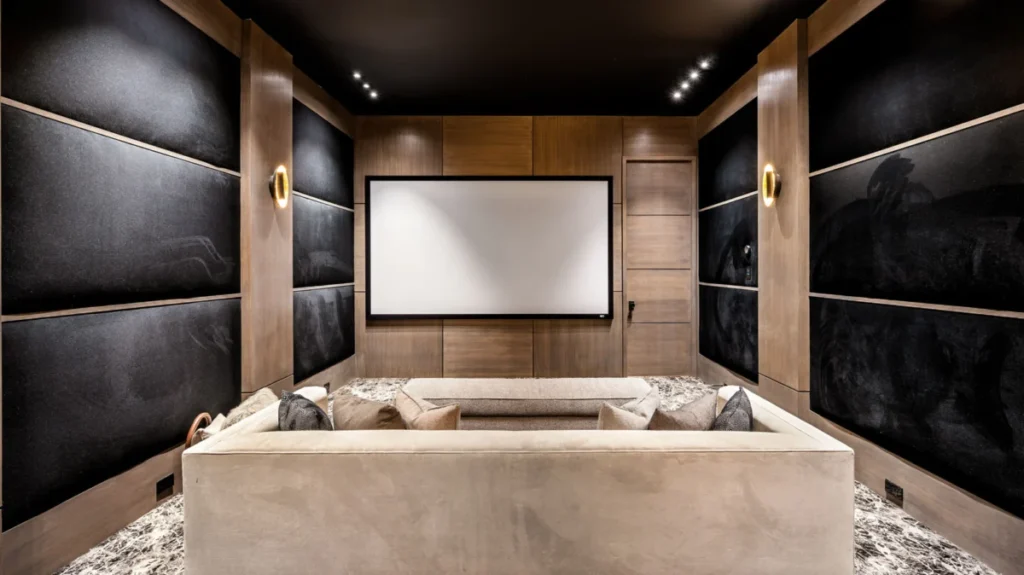
For many cinephiles, the dream of a private, dedicated home theater is often shelved due to the intimidating price tags associated with high-end installations. Industry estimates suggest that a professional-grade home cinema setup can easily exceed $15,000, covering everything from acoustic soundproofing to motorized, luxury seating and top-tier laser projection technology. However, the misconception that you must replace your existing equipment to achieve a premium experience is a barrier that prevents many from enjoying the magic of cinema at home.
With a blend of strategic planning, creative repurposing, and targeted tech upgrades, it is entirely possible to transform an underutilized basement, garage, or spare room into a high-performance media sanctuary for a fraction of the cost.
The Core Philosophy: Enhancement Over Replacement
The "smart upgrade" methodology relies on a fundamental principle: prioritize the environment and the "human experience" of the room before obsessing over high-priced hardware. Before investing in a new 4K projector or a massive sound system, you must optimize the canvas on which your media is presented.
Main Facts: The Pillars of a Budget Theater
To achieve a professional feel, focus on these three foundational elements:
- Light Control: The enemy of contrast and color depth is ambient light.
- Acoustic Management: Sound quality is defined by the room’s surfaces, not just the quality of your speakers.
- Atmospheric Immersion: The "vibe" of a theater is dictated by lighting and comfort, which tricks the brain into entering a cinematic headspace.
Chronology of an Upgrade: A Step-by-Step Evolution
If you are looking to elevate your current setup, follow this structured evolution to ensure you don’t waste money on unnecessary hardware.
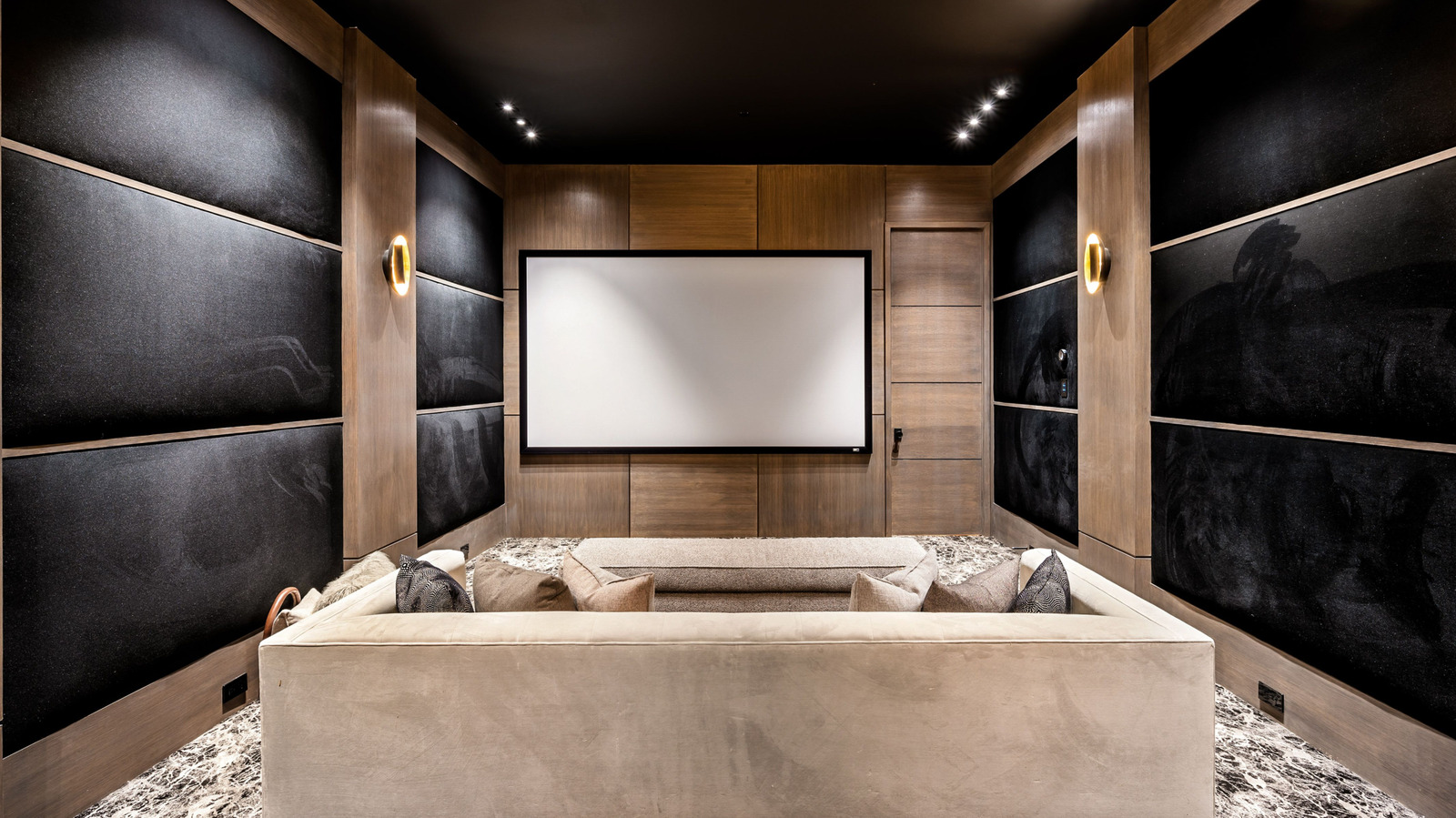
Phase 1: Environmental Control (Weeks 1-2)
Start by addressing the room’s physical limitations. If you have windows, your first investment should not be an electronic device, but a physical barrier. High-quality blackout curtains are the most cost-effective way to immediately improve perceived contrast on your screen. By eliminating light reflections, you effectively make your existing TV or projector appear significantly sharper.
Phase 2: Lighting and Ambiance (Weeks 3-4)
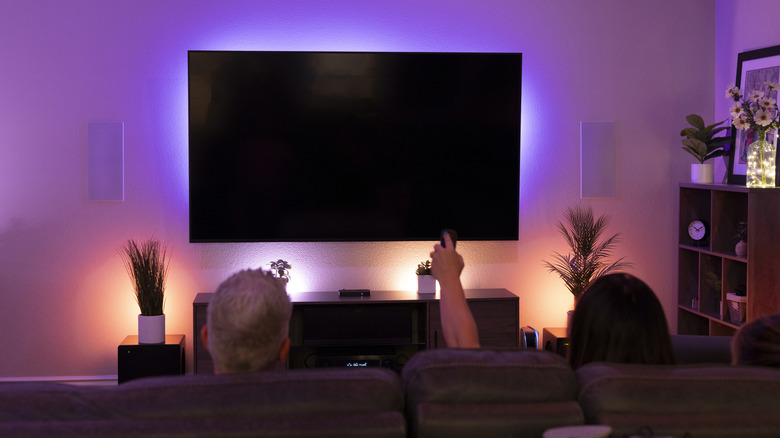
Once the room is dark, you must manage how that darkness is broken. The goal is to move away from harsh overhead lighting. Installing a simple dimmer switch allows you to control the room’s mood. If your wiring is aging or incompatible with dimmers, look to smart lighting solutions like the Philips Hue ecosystem. These bulbs offer color-syncing capabilities, allowing the room’s ambient light to match the mood of the movie, providing a sense of scale that makes the screen feel larger.
Phase 3: Audio and Comfort (Weeks 5-6)
Only after the visual and lighting environment is set should you look at your audio. If you are struggling with "muffled" dialogue or weak sound, a top-rated soundbar—often available for under $200—will outperform aging, entry-level surround systems. Finally, finish with "human-centric" upgrades: acoustic wall art, plush seating, and curated snack stations.
Supporting Data: Why Small Changes Yield Large Results
Research into home theater psychology indicates that viewer satisfaction is heavily correlated with the "immersion factor" rather than technical specifications.
According to various home improvement surveys, homeowners who invest in lighting and seating comfort report a 40% higher "enjoyment score" during movie nights than those who spent their entire budget on a single piece of high-end technology. The logic is sound: a $5,000 projector will look mediocre in a room with harsh overhead light and uncomfortable seating, while a $500 TV in a light-controlled, acoustic-managed, and comfortable room provides a superior "theatrical" experience.
Furthermore, the rise of the secondary market for high-quality, used furniture and audio equipment has made it easier than ever to acquire "theaters-grade" gear. By purchasing gently used theater recliners or refurbished audio receivers, consumers can often secure equipment that was top-of-the-line just a few years ago at a 60-80% discount.
Expert Insights and Common Pitfalls
Industry professionals often warn against the "gear-chasing" trap. Common mistakes include:
- Overspending on Cables: Many consumers fall for marketing that promises "premium" audio or video cables. In most home setups, standard, high-quality shielded cables provide identical performance.
- Neglecting Room Acoustics: You can have the best speakers in the world, but if they are placed in a room with hardwood floors and bare walls, the sound will echo and degrade. Adding rugs, curtains, or acoustic panels—even DIY versions—will provide a more noticeable improvement than upgrading your speakers.
- Ignoring Bias Lighting: Placing LED strips behind your screen (bias lighting) reduces the strain on your eyes by providing a soft back-glow, which also improves the perception of black levels on your screen.
The Human Element: Bringing the Theater Home
A movie theater isn’t just about the screen; it is about the ritual. Adding a professional-style popcorn machine is more than a novelty; it engages the sense of smell, which is closely linked to memory and emotion. When you smell popcorn, your brain prepares for a movie.
Equipping a mini-fridge and adding personal touches like movie posters—especially those printed on sound-absorbent acoustic fabric—creates a genuine "Hollywood" atmosphere. These items are inexpensive compared to electronics but are essential for the overall transformation of the room.
Implications: The Future of Home Entertainment
As streaming platforms continue to release high-budget films directly to our living rooms, the relevance of the home theater is at an all-time high. The shift is moving away from massive, expensive, static installations toward flexible, modular, and smart spaces.
By adopting a philosophy of "smart upgrades," you are not just buying gear; you are curating an experience. You are prioritizing the reduction of glare, the management of sound waves, and the maximization of comfort. This approach ensures that your home theater remains a dynamic space that evolves with your tastes, rather than a rigid, expensive setup that quickly becomes obsolete.
In conclusion, you do not need to spend the price of a mid-sized car to enjoy a world-class cinema experience. By focusing on light control, strategic lighting, acoustic management, and the personal touches that make a room feel like a sanctuary, you can create a space that rivals any commercial theater. The smartest upgrade is not the one that costs the most—it is the one that transforms your room into a destination. Start small, prioritize the environment, and let the magic of the movies take care of the rest.