By Christine Pasquier | 06 May 2026
In the storied history of Venice, few alliances have signaled a shift in the cultural landscape as definitively as the one announced this spring. As the 61st International Art Exhibition of La Biennale di Venezia prepares to open its doors to the global art community, the Roman high-jeweler Bvlgari has stepped into a role unprecedented in the institution’s 131-year history: that of the Exclusive Partner.

This long-term agreement, which stretches through 2030, represents more than a mere corporate sponsorship. It marks a paradigm shift in how luxury houses engage with the world’s most prestigious cultural institutions, moving away from ephemeral, event-based support toward a deeply integrated, multi-year commitment to contemporary artistic production.
The Institutional Heart: A Legacy of Vision
Founded in 1895, La Biennale di Venezia is arguably the oldest and most influential art fair in existence. Operating on a biennial cycle, it functions as the "Olympics of the art world," providing a global stage for countries to present their national identities through the medium of contemporary art.
The Biennale is anchored by two iconic locations that define the Venetian experience: the Giardini, a lush public parkland established by Napoleon Bonaparte, home to the permanent national pavilions of powerhouse nations; and the Arsenale, the vast, industrial shipyard of the former Venetian Republic. These sites, combined with a constellation of historic palazzi and churches throughout the floating city, create an unparalleled canvas for creative exploration. Over the last century, the Biennale has served as the definitive arbiter of artistic merit, launching the careers of countless masters and reflecting the evolving socio-political concerns of our time.
A New Chapter: The Bvlgari-Biennale Accord
The partnership between Bvlgari and the Biennale is a strategic departure from the traditional model of luxury patronage. While major brands have long been the benefactors of Italian heritage—financing the restoration of the Spanish Steps, the Baths of Caracalla, or the mosaics of the Doge’s Palace—these efforts were often transactional.
Bvlgari’s new mandate is fundamentally different. By embedding itself as an "Exclusive Partner," the Maison is positioning itself as a core contributor to the Biennale’s intellectual output. This is not merely about brand visibility; it is about institutional collaboration, commissioning new works, and curating exhibitions that will define the Biennale’s trajectory for the next half-decade.
Chronology of Cultural Commitment
To understand the significance of this 2026 milestone, one must look at the trajectory of Bvlgari’s long-standing relationship with the arts:
- 1884: Sotirio Bvlgari opens his first shop in Rome, establishing a brand inextricably linked to Italian aesthetic history.
- Late 20th Century: The brand begins consistent, quiet support for Rome’s architectural heritage, including the restoration of key archaeological sites.
- 2010s: Bvlgari intensifies its contemporary art focus, creating partnerships with the MAXXI (National Museum of 21st Century Arts) in Rome and supporting international platforms like the Whitney Biennial.
- 2024: The formal launch of Fondazione Bvlgari, a dedicated philanthropic arm designed to institutionalize the brand’s cultural, environmental, and artistic initiatives.
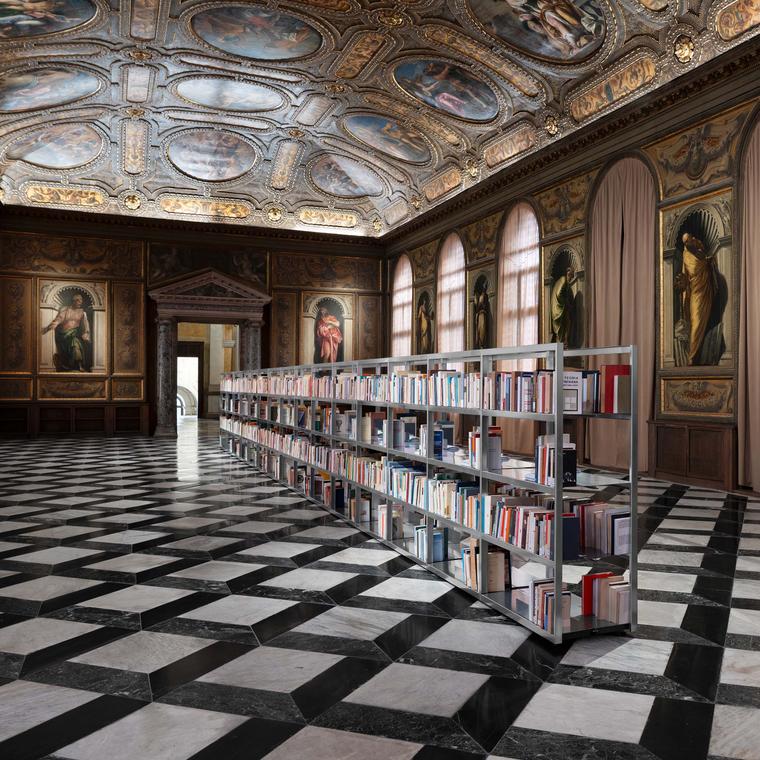
- 2026: Bvlgari is named the first Exclusive Partner of the Venice Biennale, inaugurating the Bvlgari Pavilion and major exhibitions at the Biblioteca Nazionale Marciana.
- 2026–2030: A multi-edition roadmap for integrated programming and artistic patronage.
The 2026 Artistic Initiatives: A Dialogue of Materials and Memory
For its debut as an exclusive partner, Bvlgari has curated a program that mirrors its own dual identity: the meticulous craftsmanship of high jewelry and the fluid, evolving nature of contemporary art.
The Bvlgari Pavilion (Giardini)
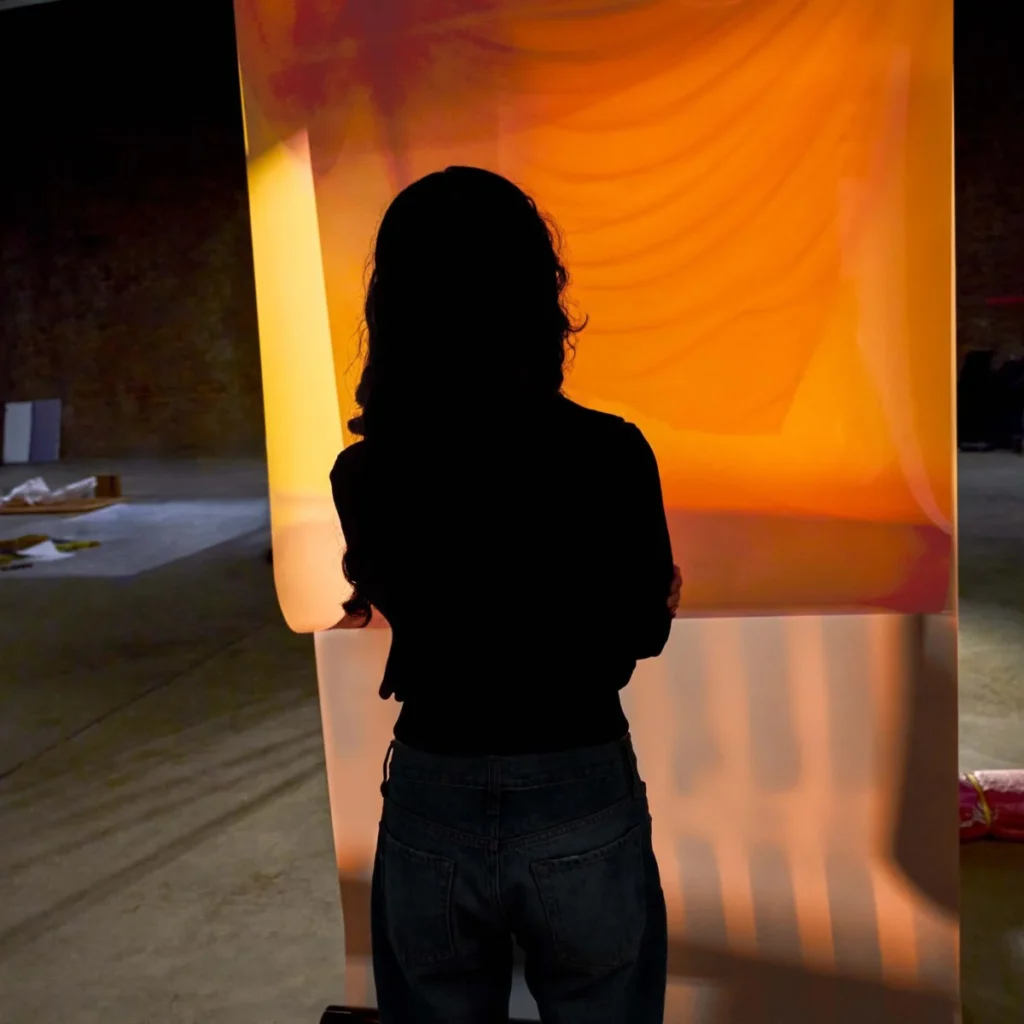
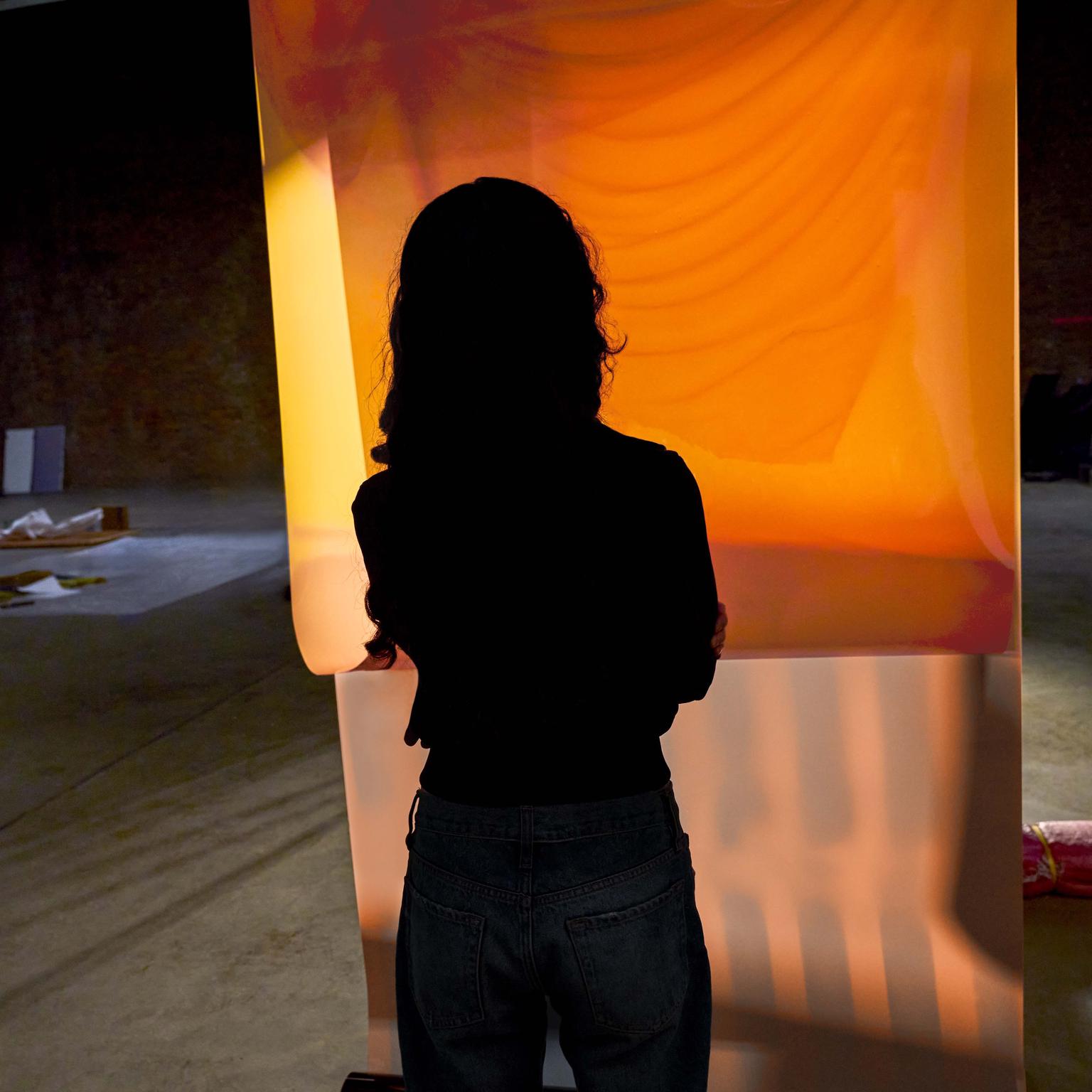
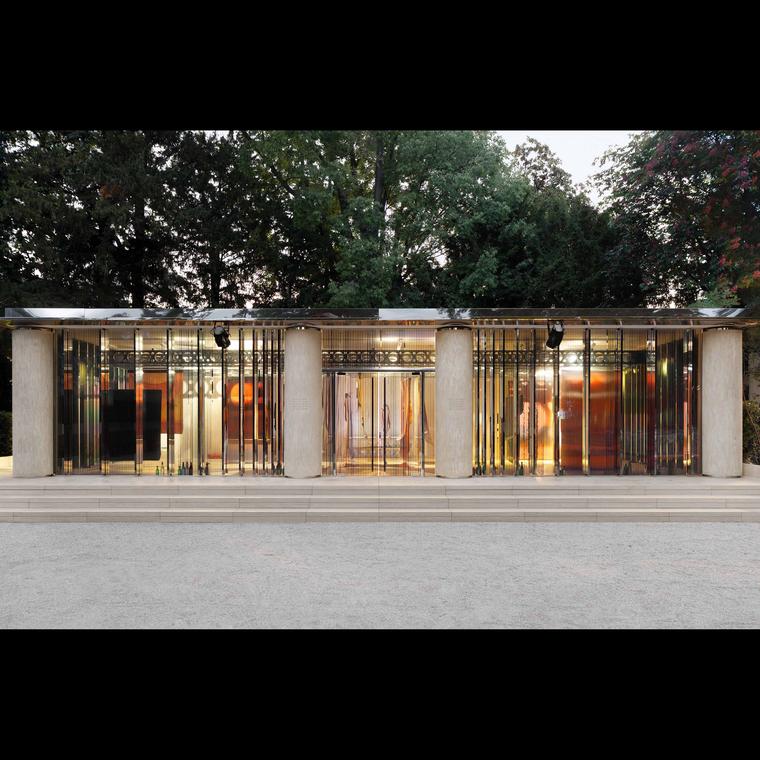
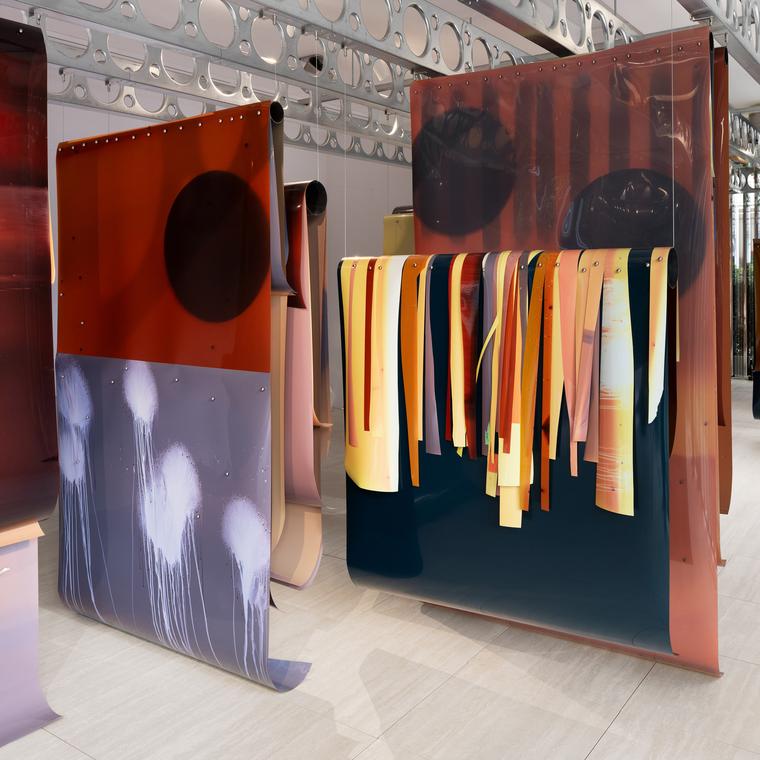
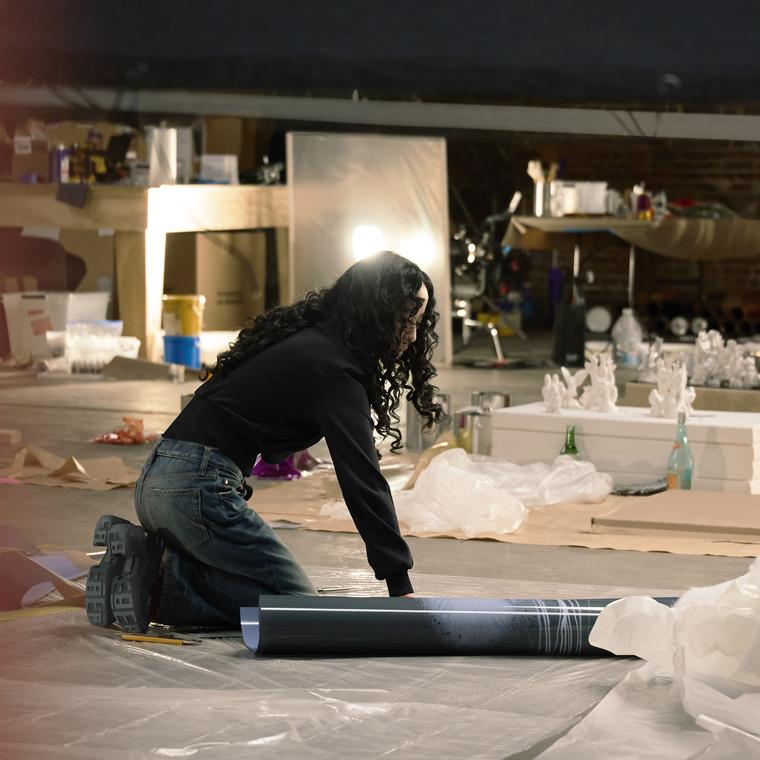
The centerpiece of the partnership is the newly commissioned Bvlgari Pavilion in the Giardini. Here, the Maison is showcasing the work of Canadian artist Lotus L. Kang. Known for her interest in the material memory of the body and the environment, Kang’s installation utilizes light-sensitive film and sculptural elements that react to the Venetian climate. It is a work of slow, deliberate transformation, echoing the way precious metals and gemstones are shaped by time and heat.
The Biblioteca Nazionale Marciana
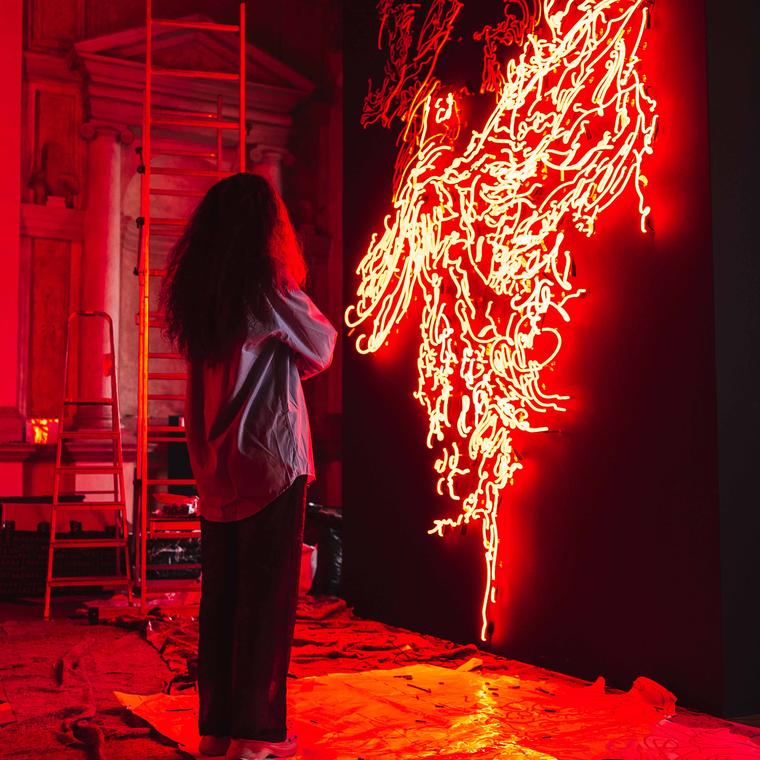
Simultaneously, the Fondazione Bvlgari has taken over the historic Biblioteca Nazionale Marciana to host a dual exhibition featuring Italian artists Lara Favaretto and Monia Ben Hamouda.
- Lara Favaretto: A veteran of the international scene, Favaretto’s work often explores the concept of "disappearance" and the fragility of monuments—a poignant theme for a city as delicate as Venice.
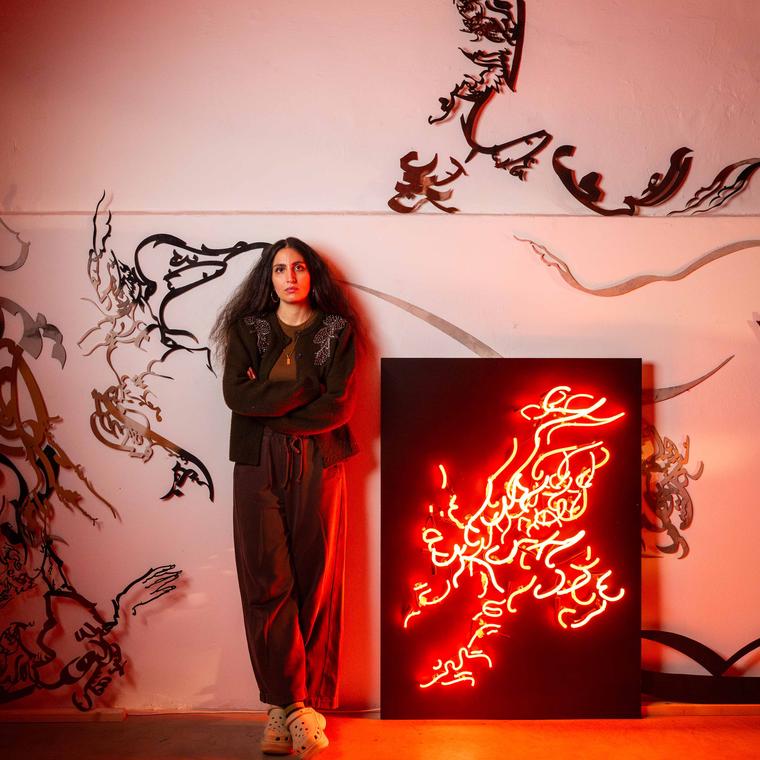
- Monia Ben Hamouda: Representing a younger, globalized generation, the Milan-born Tunisian-Italian artist explores the intersection of language, spirituality, and Mediterranean identity, providing a critical counterpoint to the more established, structural works of Favaretto.
Supporting Data: The Economic and Cultural Shift
The move toward private-public partnerships is a response to the changing realities of cultural funding. With government grants for arts organizations under constant pressure, the "Exclusive Partner" model provides a stable, predictable financial bedrock.
According to preliminary estimates from the Biennale’s board, this partnership will facilitate a 20% increase in the production budget for site-specific, non-national installations over the next four years. Furthermore, the collaboration aims to enhance the visitor experience through digital integration and educational programs, ensuring that the Biennale remains accessible to a younger, more global audience.
Official Responses and Strategic Implications
The announcement has been met with enthusiasm from the international art community. Jean-Christophe Babin, CEO of Bvlgari, noted: "Our Maison has always been a steward of Italian beauty. By joining forces with the Biennale, we are not just celebrating art; we are actively contributing to the dialogue that will shape the next generation of creative thought."

The implication of this partnership is profound. For the luxury sector, it signals a desire for "cultural capital" that goes beyond social media engagement. It suggests that the most prestigious brands are now viewing themselves as curators of the zeitgeist. For the Biennale, the move provides the necessary capital to compete with the rising number of private art foundations and mega-galleries that are currently challenging the traditional museum model.
The Future of Patronage
As the 61st International Art Exhibition unfolds across the city, the presence of Bvlgari will be palpable, yet the intent is clearly focused on the artists. By prioritizing commissions over commercial display, the Maison is setting a high bar for what corporate patronage should look like in the 21st century.
Critics often fear that corporate involvement in the arts leads to the "commercialization" of public spaces. However, the rigor of the selections for 2026—artists who deal with complex, often difficult themes like memory, identity, and fragility—suggests that the Biennale has maintained its autonomy. The partnership acts as an enabler rather than an editor.
Conclusion: A City in Transformation
Venice remains a city of paradoxes: a medieval marvel constantly fighting the tide of the future. The partnership between a historic Roman jeweler and the Biennale seems, in this light, entirely logical. Both institutions are preoccupied with the preservation of beauty and the advancement of craft.
As the doors open on May 9, 2026, visitors wandering from the lush, quiet paths of the Giardini to the echoing, industrial halls of the Arsenale will encounter a new, layered experience. The Bvlgari Pavilion stands not as a monument to a brand, but as a commitment to the enduring power of human expression. In an age where the physical and digital worlds are increasingly blurred, this long-term investment in the "art of the now" is a testament to the fact that, even in a changing world, some things remain worth preserving, supporting, and celebrating.
The 61st International Art Exhibition of La Biennale di Venezia runs from 9 May to 22 November 2026. Preview days are scheduled from 6 May to 8 May. Tickets and exhibition details are available via the official Biennale website.