
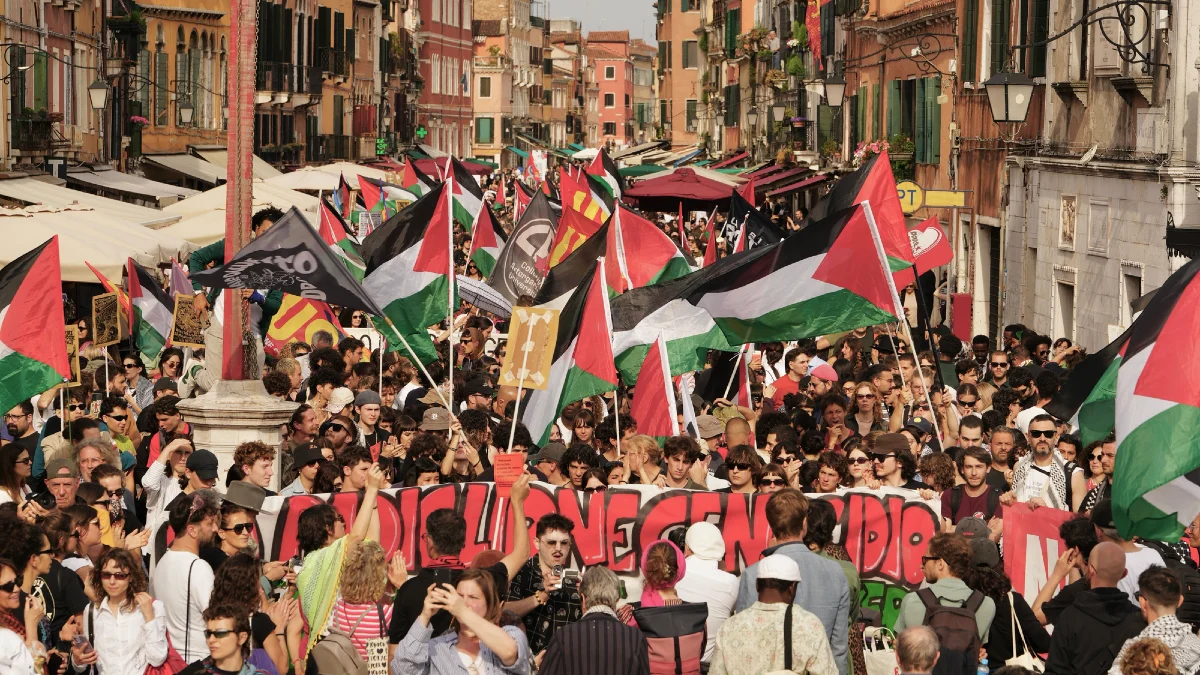
The 131-year history of the Venice Biennale, long regarded as the "Olympics of the art world," reached a volatile inflection point this month. What began as a prestigious international showcase for global artistic achievement transformed into a site of profound geopolitical tension, as thousands of demonstrators marched through the historic streets of Venice to protest the ongoing conflict in Gaza and advocate for the rights of art workers.
The protest, organized by the Art Not Genocide Alliance (ANGA) and various local activist factions, resulted in a 24-hour cultural strike. For the first time in the institution’s storied tenure, the spectacle of the Biennale was forcibly punctuated by the reality of the world outside its gilded, lagoon-bound gates.
The Anatomy of the Protest: A Historic Disruption
On Friday, May 8, the atmosphere at the Venice Biennale preview shifted from the customary buzz of collectors and critics to a scene of intense political confrontation. Palestinian flags were draped over numerous artworks, and more than two dozen national pavilions—the primary vehicles for diplomatic cultural exchange—were shuttered in a coordinated act of protest.

As Hakim Bishara, editor-in-chief of Hyperallergic, reported from the ground, the scene was one of "the thick of the action." Thousands of protesters flooded the main arteries of Venice, demanding an immediate ceasefire in Gaza and calling for systemic changes to the labor conditions of art workers globally. The demonstration was met with a heavy-handed response from Italian law enforcement, who were seen maneuvering to contain the crowd, leading to reports of clashes between police and participants.
The strike was not merely a symbolic gesture; it was a logistical disruption that brought the machinery of the Biennale to a temporary, grinding halt. By targeting the national pavilions, the organizers highlighted the inherent entanglement of "national representation" with the geopolitical actions of the states behind them.
A Chronology of the Biennale Unrest
The events of May 8 were the culmination of months of mounting pressure within the art community.
- Pre-Biennale: Whispers of dissent began circulating early in the year as ANGA and other groups voiced concerns regarding the Biennale’s perceived complicity in geopolitical violence.
- The Strike Begins: In the early hours of May 8, participating artists and organizers began the coordinated closing of national pavilions.
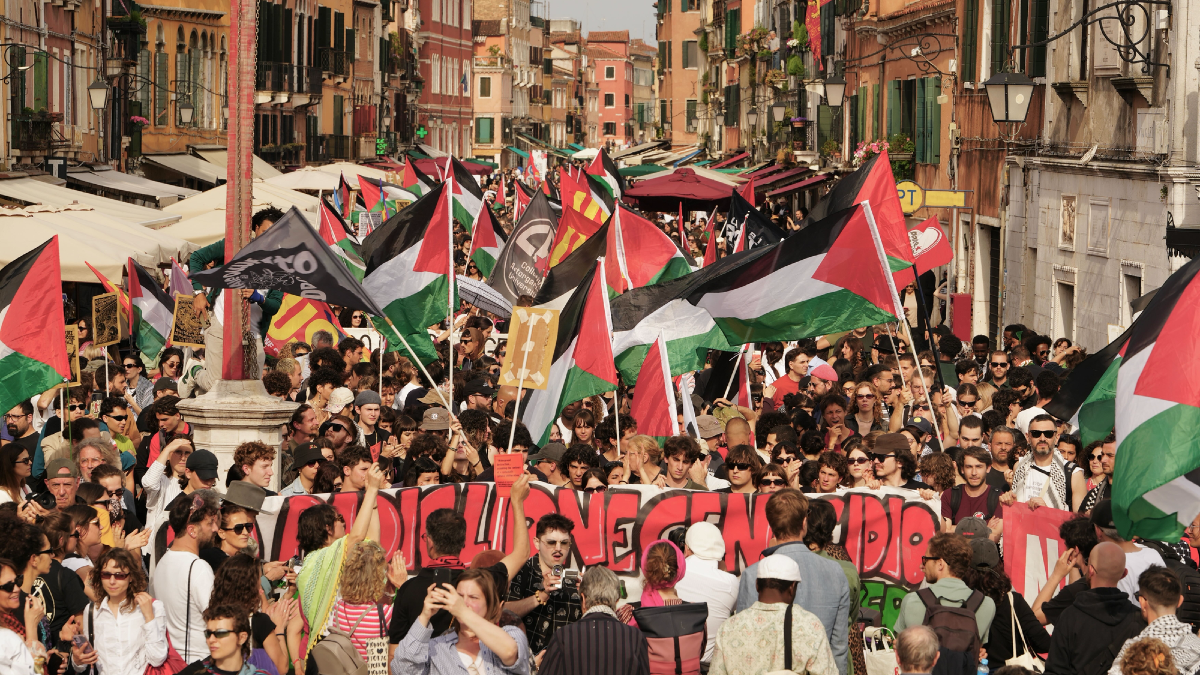
- The March: By midday, thousands had gathered, moving through Venice with banners and slogans, transforming the biennale’s thoroughfares into a space of political assembly.
- Police Intervention: As the afternoon progressed, police presence intensified, leading to documented confrontations between protesters and authorities.
- The Aftermath: By the following morning, the visual landscape of the Biennale had been permanently altered, with the lingering presence of flags and shuttered spaces serving as a reminder of the strike’s impact.
The "Accidental Artwork": Surrealism in the Lagoon
Amidst the high-stakes political theater, an unlikely observer captured the imagination of those on the ground. A nesting seagull took up residence near the entrance of the shuttered Polish pavilion. Avedis Hadjian, reporting for Hyperallergic, described the bird as possessing the "aura of an accidental artwork."
In a landscape dominated by deliberate, curated statements, the presence of the seagull provided a surreal, organic counterpoint. Organizers noted that this is the first documented instance of a bird nesting in such a prominent, high-traffic area of the exhibition grounds, a detail that resonated with many as a poetic reflection on the persistence of life amid institutional stagnation.
Broader Cultural Currents: From LA to the Archive
While Venice remained the focal point, the global art community continued to grapple with issues of labor, history, and legacy.
In Los Angeles, the LA Art Book Fair provided a starkly different kind of engagement with the past. Matt Stromberg reported on the fair’s emphasis on "getting messy in the archive," where zines, vintage photographs, and lavish monographs were remixed to give historical media new relevance. The event highlighted a growing trend in the art world: the reclamation of history as a tool for present-day critique.
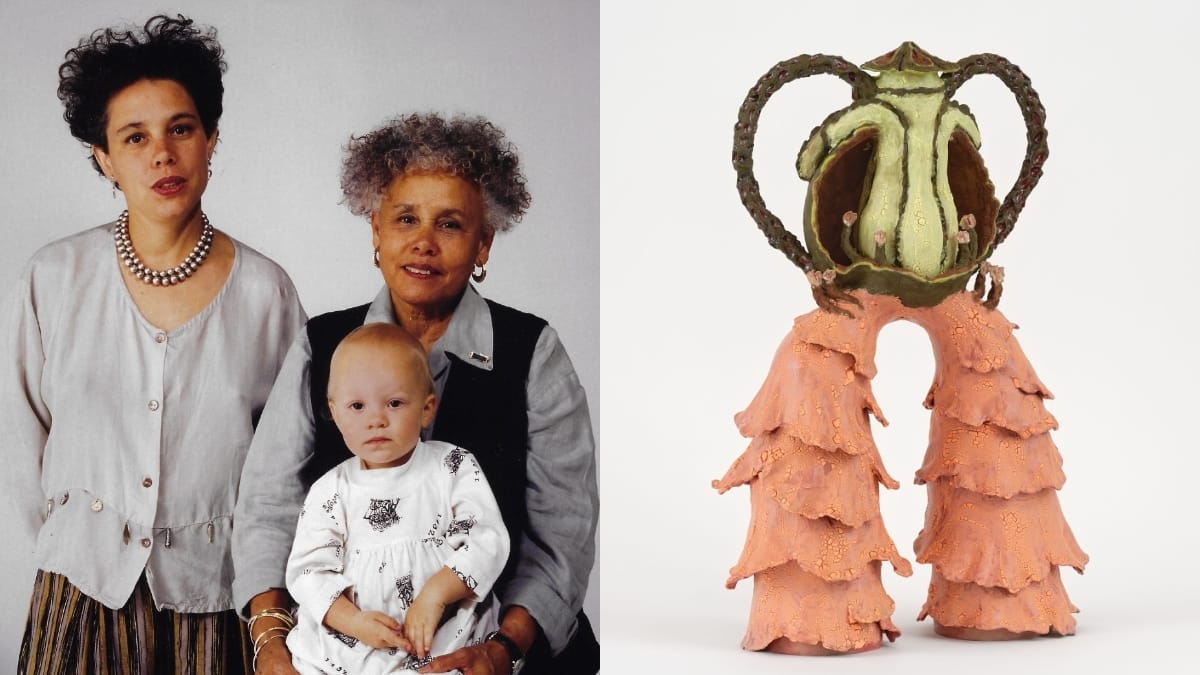
Meanwhile, the documentary examination of Mierle Laderman Ukeles—the pioneering "maintenance artist"—has gained renewed relevance. Dan Schindel’s review of the new documentary on her life underscores her decades-long practice of spotlighting the invisible, unpaid, and predominantly feminine labor that keeps institutions running. Her work serves as a foundational text for understanding the current push for workers’ rights within the arts.
Official Responses and Institutional Silences
The institutional response to the Venice strike has been largely muted. The Biennale Foundation, which manages the massive logistical undertaking, has yet to issue a formal policy shift in response to the demands of the protesters.
Critics, however, have been vocal. William Conger, commenting on recent reports from the US Pavilion, argued that there is a tension between the "subjective intent" of artists and the "objective meanings" imposed by critics and the public. As debates swirl regarding whether art should be a vehicle for explicit political protest or a space for abstract contemplation, the strike has forced a reevaluation of the Biennale’s role in modern society. Can an institution that claims to be a neutral forum for "culture" truly remain silent while its participants are deeply divided by real-world conflict?
Implications: The Future of the Biennale
The events in Venice suggest that the era of the "apolitical" biennial is effectively over. The strike has set a new precedent for how artists, curators, and visitors interact with the exhibition space.
1. The Politicization of National Pavilions
The fact that national pavilions were the primary targets of the strike indicates that the model of the Biennale—which relies on national pride and state funding—is increasingly at odds with the internationalist ethos of contemporary art. Future iterations of the event will likely see heightened scrutiny regarding the source of funding and the policies of the countries represented.
2. The Labor Question
The alliance between pro-Palestine activists and labor rights groups points to a broader coalition-building effort. Art workers, who are often marginalized and underpaid, are increasingly recognizing their own power to disrupt the institutions that benefit from their labor.
3. The Role of the Critic
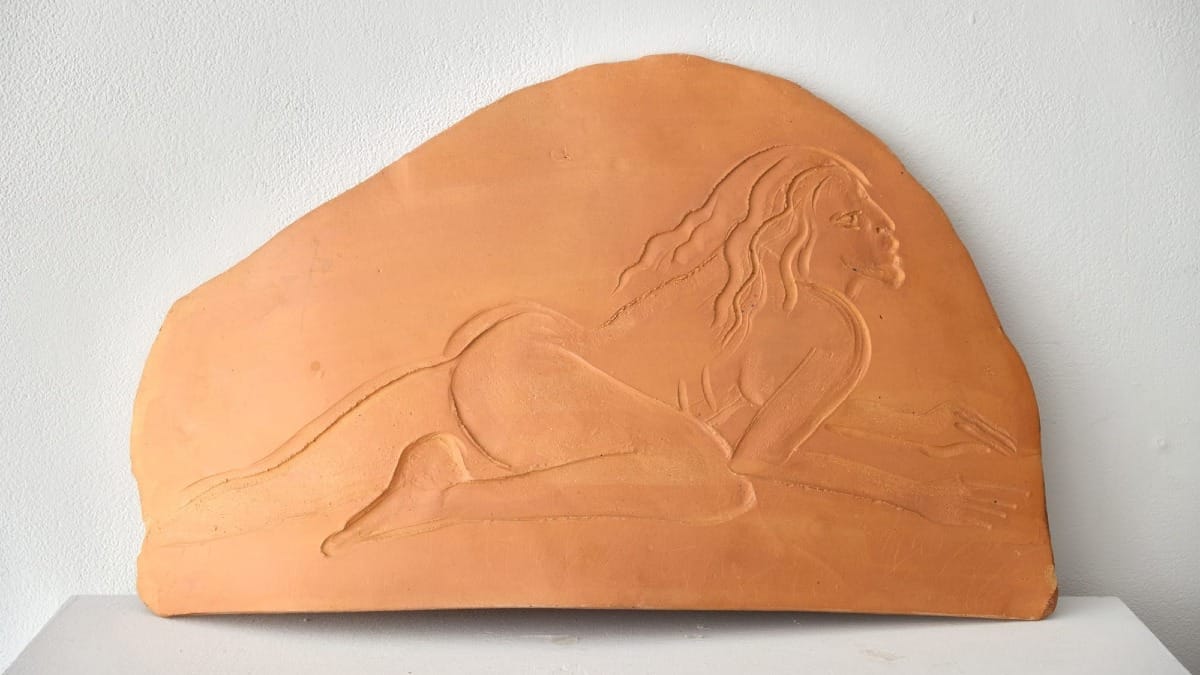
The ongoing dialogue between critics like John Yau, who has recently examined the tender, self-sustaining sculptures of Mary Frank, and activists on the ground highlights a dual-track evolution in the arts. One track is the continued appreciation of the individual artistic spirit; the other is the structural critique of the environments where that art is presented.
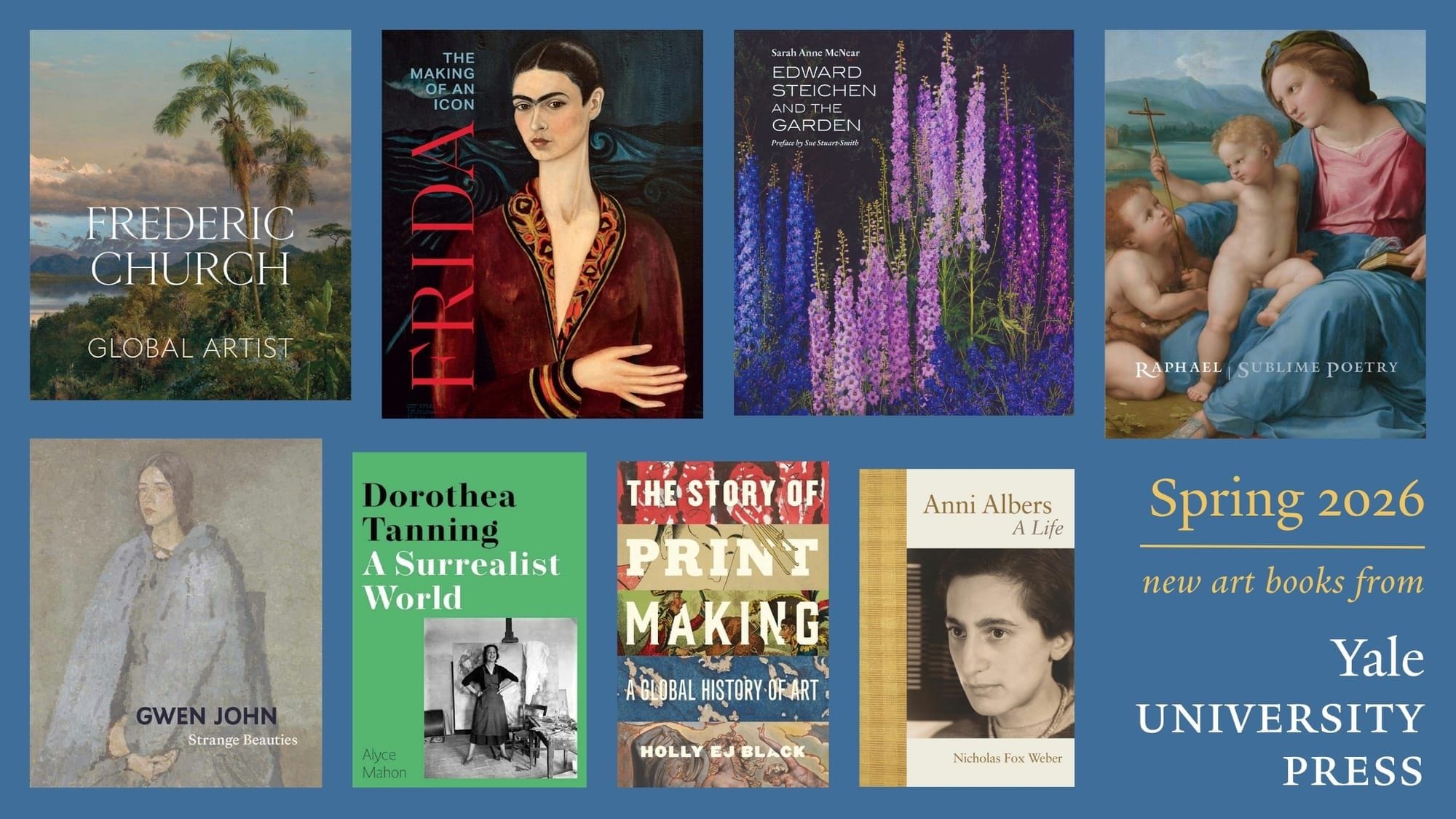
As we look toward the remainder of 2026, the legacy of the Venice strike will likely continue to reverberate. With opportunities for artists such as the Oak Spring Garden Foundation’s fellowships and the continued study of figures like Anni Albers and Dorothea Tanning via Yale University Press, the art world remains a vibrant, if embattled, space.
The "maintenance" of the art world—both in the literal sense of cleaning and organizing, as Ukeles noted, and in the metaphorical sense of sustaining our collective culture—has been fundamentally challenged. As the seagull continues to nest by the pavilion and the protesters continue to demand accountability, one thing is clear: the Biennale is no longer just a place to look at art. It is a place where art, history, and politics are forced into a permanent, uncomfortable, and necessary conversation.
 Iffa Jayyana
