By Max Garland | Supply Chain Dive
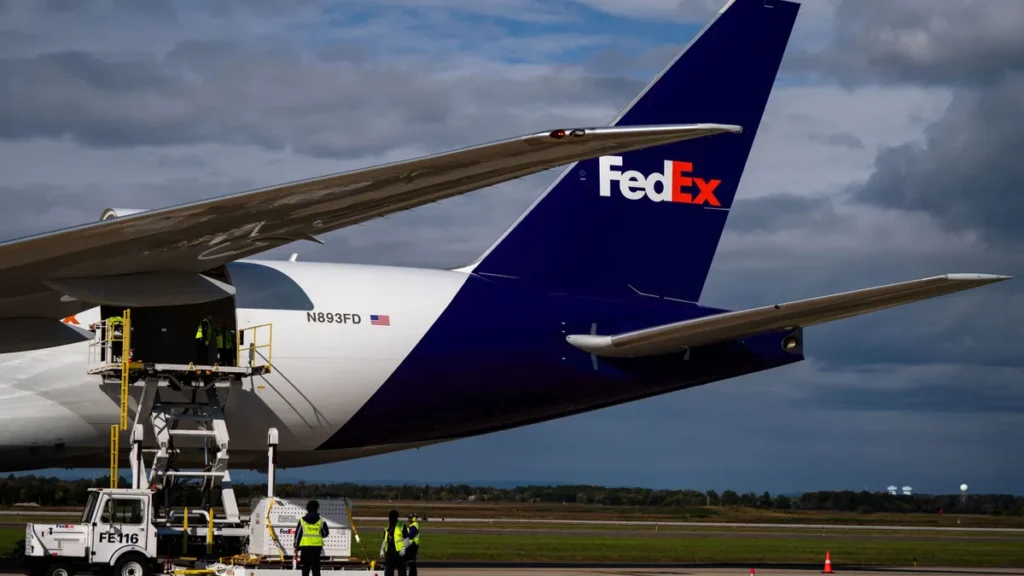
In a move that signals intensifying cost volatility across global supply chains, logistics giants FedEx and UPS have implemented a sweeping series of surcharge hikes and new temporary fees throughout May 2026. These adjustments, which impact a wide array of import and export shipments to and from the United States, represent the latest attempt by major carriers to insulate their profit margins against a backdrop of geopolitical instability and rising energy costs.
For parcel shippers—from e-commerce giants to small businesses reliant on international trade—these changes represent an immediate bottom-line impact, necessitating a rapid reassessment of landed-cost models and logistics strategies.
The Current Landscape: A Cascade of Fees
Throughout May 2026, the logistics sector has been characterized by a synchronized effort among major carriers to recalibrate their pricing models. The updates are not limited to one specific service tier; rather, they span the entire spectrum of international air express, freight, and domestic e-commerce delivery products.
At the heart of these changes are "demand surcharges"—temporary, per-pound fees levied on shipments entering or leaving the U.S. These surcharges are designed to compensate for the operational complexities of maintaining consistent, high-speed delivery networks amid fluctuating global trade volumes and increased overhead costs.
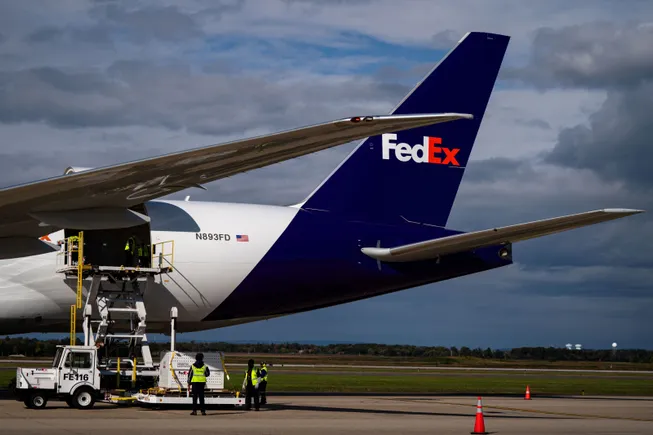
UPS has introduced a 32-cent per-pound surcharge on shipments entering the U.S. from most global origins. Simultaneously, FedEx has rolled out tiered demand surcharges, with fees ranging from 20 to 25 cents per pound depending on the origin or destination of the parcel. These figures, while seemingly incremental, aggregate into substantial annual expenditures for high-volume shippers.
Chronology of Implementation
The implementation schedule has been rapid, requiring shippers to adjust their shipping platforms and accounting protocols with little lead time.
- May 3: UPS initiated a 32-cent-per-pound surcharge for volume entering the U.S. from most countries, alongside an 11-cent-per-pound fee for specific shipments from Asian markets.
- May 7: FedEx activated its own export demand surcharges, applying a 20-cent-per-pound fee for shipments to Canada, Mexico, and Europe. Simultaneously, import surcharges were applied to goods entering the U.S. from China, Hong Kong, and Macau (25 cents) and other key Asian markets including Japan, South Korea, and Taiwan (20 cents).
- May 11: Both FedEx and UPS increased their fuel surcharge rate calculations. FedEx raised international export fuel surcharges by 2 percentage points and international import surcharges by 2.5 percentage points. UPS mirrored this move, increasing its own international air fuel surcharge rates by 2 percentage points.
- May 24: UPS is slated to raise the fuel surcharge cap for its "Mail Innovations" division from 8.5% to 12%.
- May 30: DHL eCommerce will increase domestic fuel surcharge rates by 14 cents per pound, affecting a range of expedited and ground parcel products.
The Fuel Surcharge Mechanism: Why It Matters
The reliance on fuel surcharges is a foundational element of the FedEx and UPS business models. These surcharges are pegged to publicly available indices, such as the weekly price of jet fuel. However, as critics and industry consultants have noted, the "spread" between actual fuel costs and the surcharge rates applied to customers has widened.
For example, at a hypothetical jet fuel price of $4 per gallon, FedEx’s international export fuel surcharge has jumped from 36.5% to 38.5%. This shift ensures that even if fuel prices stabilize, the carrier captures a higher percentage of revenue per shipment.
The rationale provided by the carriers centers on the need for predictability. During an April 2026 earnings call, UPS Executive Vice President and CFO Brian Dykes emphasized that fuel surcharges serve as a vital hedge. "We manage fuel through fuel surcharges," Dykes explained. "So even though we have a large airline, we’re very different than passenger airlines… our fuel surcharge indexes protect us from impact to profit."

Geopolitical Drivers and Market Volatility
The urgency behind these fee adjustments is largely rooted in the ongoing instability in the Middle East, specifically surrounding the Strait of Hormuz. These disruptions have constrained global oil supplies, forcing energy prices higher and creating a ripple effect that touches every node of the international logistics network.
Data from the TD Cowen/AFS Freight Index highlights the severity of these cost pressures. In the first quarter of 2026, ground fuel surcharges increased by 26.7% year-over-year, significantly outpacing the 10% increase in the price of diesel fuel over the same period. This suggests that the carriers are utilizing surcharge adjustments not merely to offset direct fuel costs, but to recover broader inflationary pressures within their networks, including labor, maintenance, and facility costs.
Implications for Shippers: Navigating the "New Normal"
For the average logistics manager, the cumulative effect of these changes is a significant increase in the "landed cost"—the total price of a product once it has arrived at the buyer’s door.
1. Cost Modeling and Transparency
Experts advise that companies must move beyond surface-level budget planning. Because surcharge indices are adjusted frequently, static shipping cost models are now obsolete. Shippers are encouraged to implement dynamic, automated cost-modeling tools that account for real-time changes in surcharge indices.
2. Carrier Diversification
The synchronization of price hikes between FedEx, UPS, and to some extent DHL, underscores a market-wide trend. However, some shippers are finding relief by diversifying their carrier mix. By utilizing regional carriers for domestic "last-mile" legs or exploring boutique international freight forwarders for specific trade lanes, companies can mitigate their exposure to the blanket surcharge policies of the "Big Three."

3. Negotiated Discounts
While the headline surcharge rates are non-negotiable for most small-to-mid-sized businesses, high-volume shippers continue to negotiate "surcharge caps" or "fixed-percentage discounts" on their shipping agreements. Engaging with carriers to discuss the impact of these new surcharges on specific shipping lanes is a critical step in maintaining margins.
4. Strategic Auditing
Industry analysts from firms like ShipScience suggest that cross-referencing carrier increases is essential. Shippers should conduct a "carrier audit" to determine which specific services have been hit the hardest by the May updates. If a specific lane, such as U.S.-to-Asia, has become prohibitively expensive due to the combined impact of demand surcharges and fuel hikes, it may be time to shift volume to a competitor whose surcharge structure is more favorable for that specific route.
Conclusion: The Road Ahead
The logistics industry is currently in a phase of aggressive cost recovery. As FedEx and UPS continue to prioritize profit stability in the face of global economic and geopolitical uncertainty, shippers should expect these temporary fees to remain in place for the foreseeable future.
The era of "set it and forget it" shipping logistics has come to a close. To survive in the current climate, businesses must treat logistics as a core strategic function, one that requires constant vigilance, data-driven analysis, and the flexibility to pivot as carrier pricing strategies evolve. As the industry moves into the second half of 2026, the ability to manage these surcharge pressures will likely be the deciding factor between profitability and loss for many firms engaged in international commerce.