When Matthieu Blazy unveiled his debut Cruise collection for Chanel in Biarritz last month, the industry didn’t just witness a new creative direction; it experienced a profound homecoming. Returning to the seaside town where Gabrielle “Coco” Chanel opened her first boutique, Blazy’s collection served as a meditative bridge between the house’s radical origins and its future. Central to this dialogue was an item so fundamental to the modern wardrobe it is often taken for granted: the Little Black Dress (LBD).
A century after Chanel first introduced the silhouette to the world, the LBD remains fashion’s most enduring paradox—at once a democratic uniform and a symbol of high-fashion exclusivity. As Blazy’s recent show demonstrated, the LBD is not merely a garment; it is a living document of social change.
The Genesis of an Icon: 1926
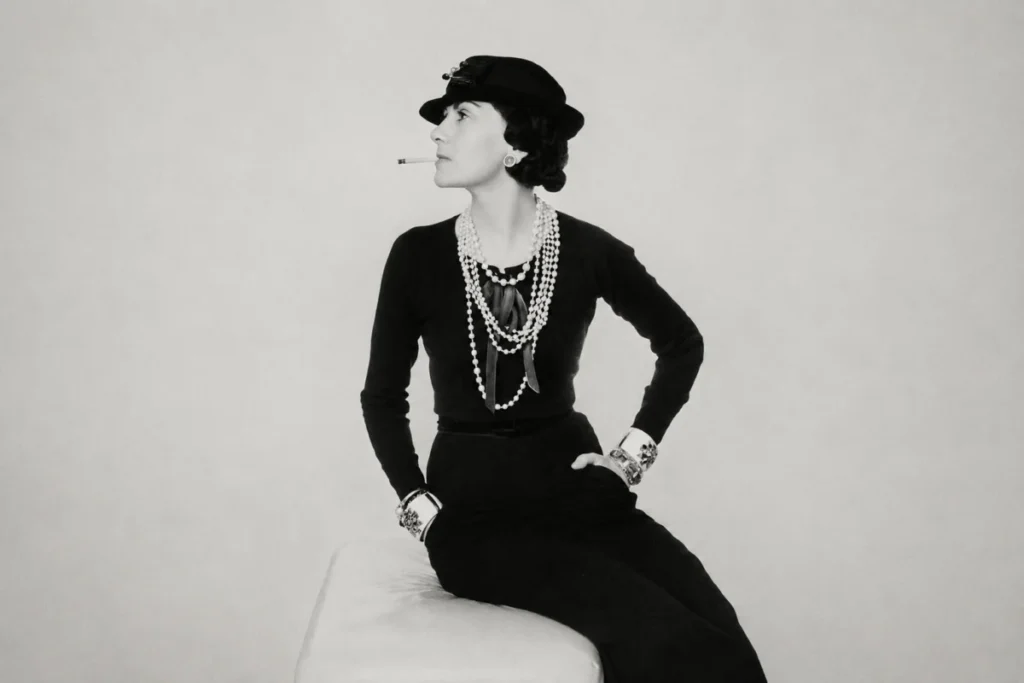
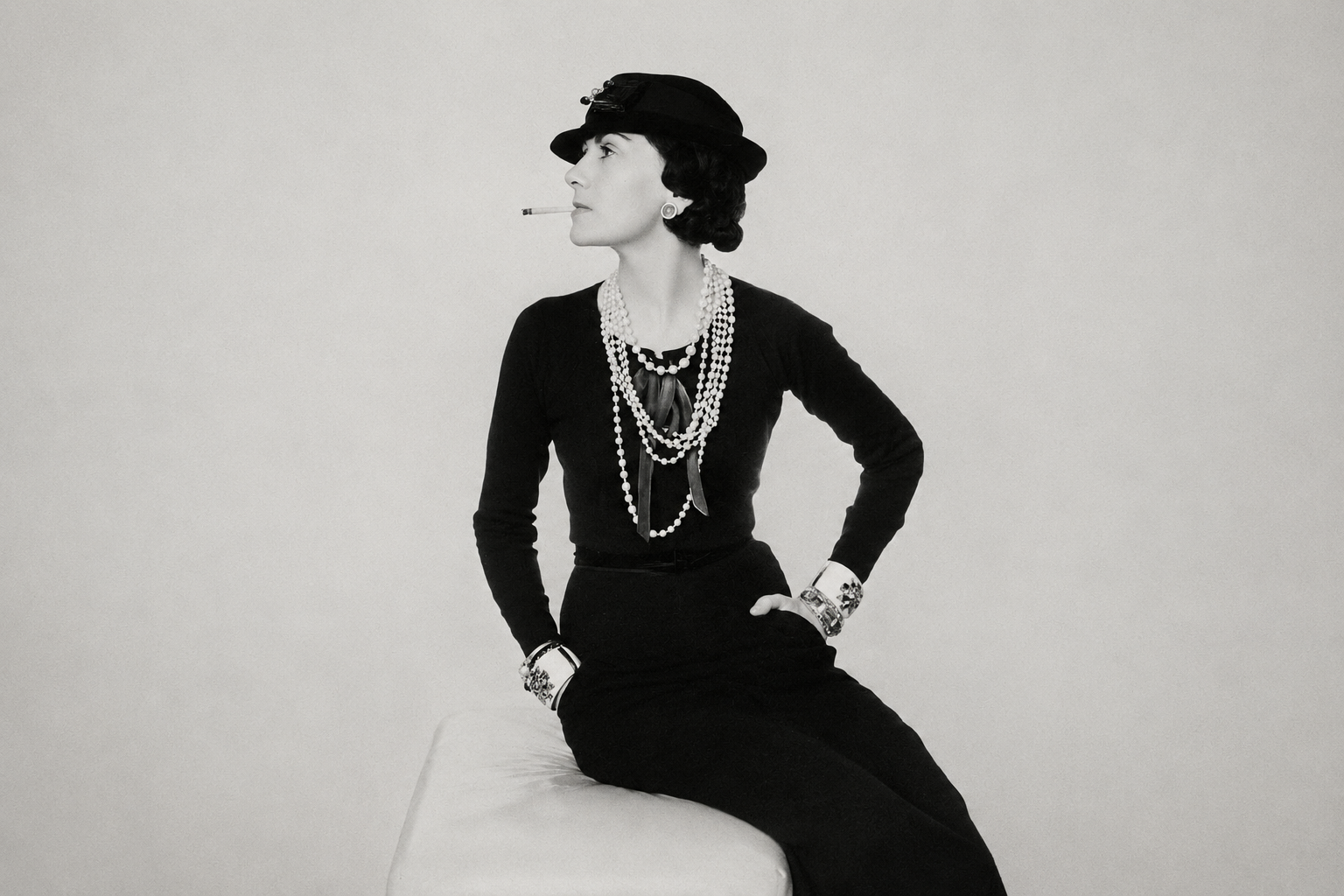
The narrative of the LBD is rooted in the seismic shifts of the early 20th century. In 1926, American Vogue published a sketch of a simple, calf-length black dress by Coco Chanel. Featuring a straight cut and adorned only with a few diagonal lines, the magazine famously dubbed it “Chanel’s Ford.”
The comparison was deliberate and prophetic. Just as the Model T brought motorized transport to the masses, Chanel’s dress promised to democratize elegance. It was designed to be practical, accessible, and a “uniform for all women of taste.” By stripping away the ostentatious lace, ruffles, and corsetry of the Edwardian era, Chanel offered women a new visual language—one defined by simplicity, movement, and a quiet, structural power.
A Chronology of Black: From Mourning to Modernity
To understand the LBD’s power, one must look beyond the runway and into the deep-seated cultural history of the color black.
The Moral Binary
For centuries, black was a color of contradiction. In ancient Egyptian and Asian traditions, it often represented life and fertility, associated with the rich, alluvial soil of the Nile or the mysteries of the cosmos. However, in Western, Christian-influenced societies, it became tethered to a rigid moral binary: black as sin, shadow, and death; white as light, purity, and virtue.
The Victorian Shift
The color’s transition into high-fashion staple began with Queen Victoria. Following the death of Prince Albert in 1861, the Queen entered a period of permanent mourning, wearing black for the remaining 40 years of her life. This turned black into a color of profound social gravity. Simultaneously, the Industrial Revolution brought synthetic dyes to the market, making black clothing cheaper to produce for the masses.
As historian Georgina Ripley notes in Little Black Dress: A Radical Fashion, this created a fascinating socio-economic tension. While the wealthy Belle Époque elite wore black as a mark of chic evening sophistication, the urban working class adopted it as a practical, utilitarian choice. Chanel’s genius lay in synthesizing these two worlds: she took the “respectable” black of the working woman and elevated it into the ultimate symbol of modernist luxury.
The Post-War Rebellion
By the 1920s, the world was in the throes of collective mourning following the First World War. The flapper aesthetic—with its shorter hemlines and androgynous, loose-fitting silhouettes—was a direct rebellion against the constricting femininity of the past. The LBD emerged as the perfect vessel for this new era: it was respectful enough for the somber post-war atmosphere, yet radical in its rejection of traditional gender performance.
The Evolution of the Silhouette: Supporting Data and Cultural Impact
The LBD’s journey through the 20th century is a reflection of women’s evolving roles in society. By 1954, Christian Dior validated the dress’s ubiquity in his Little Dictionary of Fashion, declaring that a black dress could be worn at any age and for any occasion. It had become a blank slate onto which women could project their own agency.
The Cinematic and Cultural Landmarks
The LBD has served as a pivotal tool in pop-culture history, acting as a shorthand for character development and political statement:
- 1961: The Cinematic Ideal. Audrey Hepburn’s Givenchy sheath in Breakfast at Tiffany’s cemented the LBD as the definitive symbol of urban sophistication and unattainable grace.
- 1994: The Revenge Dress. Princess Diana’s off-the-shoulder Christina Stambolian gown, worn to the Serpentine Gallery, transformed the LBD into a tool of political and personal reclamation. It proved that in the face of public scrutiny, the right black dress could communicate more than a press release.
- 1994: The Provocateur. Elizabeth Hurley’s safety-pin Versace dress pushed the LBD into the realm of high-octane provocation, shattering the idea that “black” and “demure” were synonyms.
These moments demonstrate the “elasticity” of the garment. Whether through restraint or excess, the LBD has consistently remained at the center of the zeitgeist because it allows for personal expression within a universally recognized framework.
Official Perspectives: The Creative Vision
The industry’s current focus on the LBD is not an act of nostalgia, but a necessary evolution. In his recent collection, Matthieu Blazy navigated the weight of the Chanel heritage by focusing on the architectural integrity of the LBD.
“The LBD isn’t just about the color,” says fashion historian Dr. Aris Thorne. “It’s about the silence it creates. When you remove color, you force the eye to look at the cut, the drape, and the movement of the woman wearing it. Blazy understands that the modern woman doesn’t need a dress to speak for her; she needs a dress that gives her the space to speak for herself.”
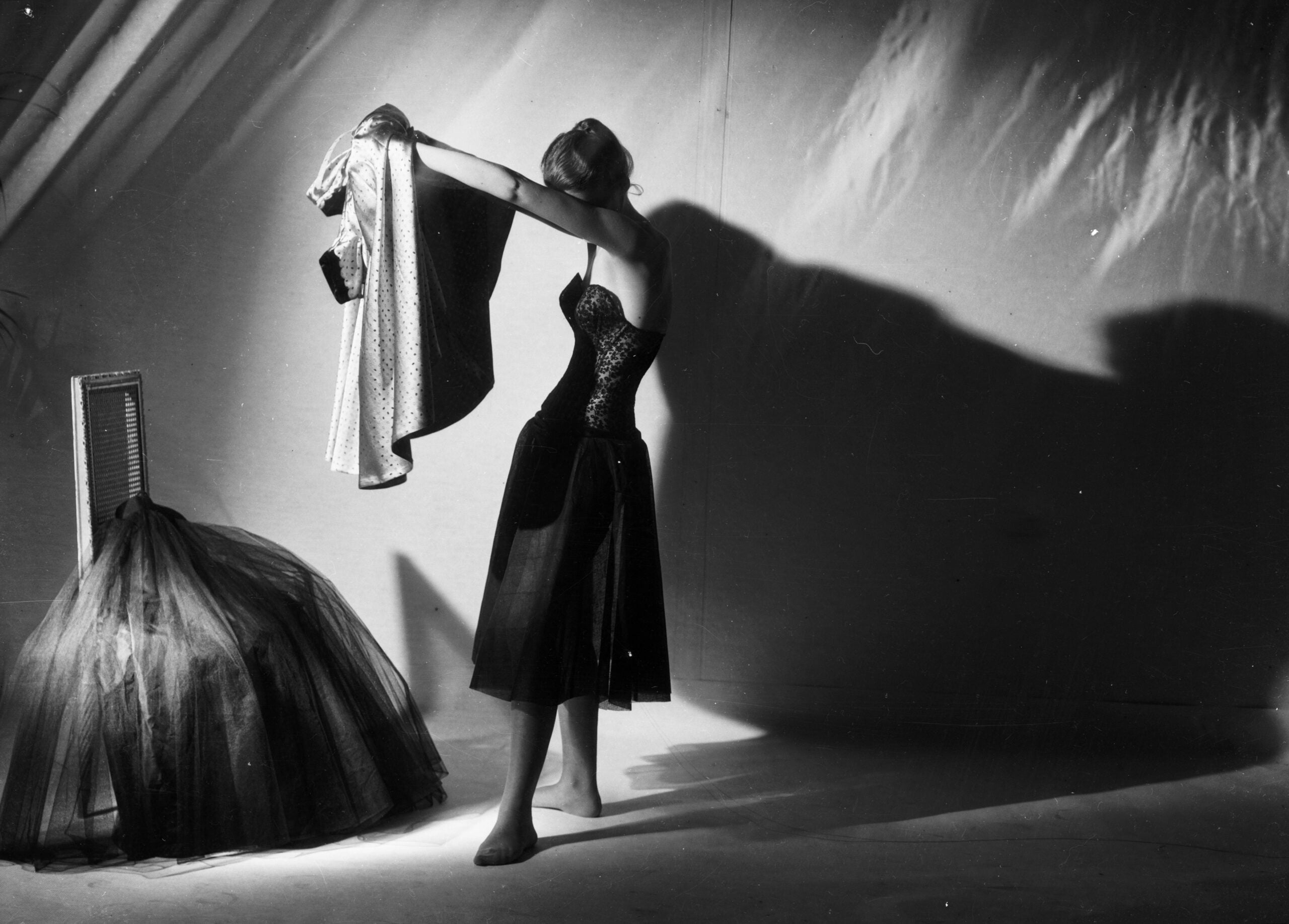
The House of Chanel has maintained that their mission for the next century is to preserve the “democratic spirit” of the LBD. By integrating modern textiles and sustainable production techniques, the brand aims to keep the dress accessible while maintaining the prestige that has defined the house for 100 years.
Implications: The LBD in a New Era
As we look toward the future, the implications of the LBD’s continued dominance are significant. In an era of “fast fashion” and hyper-consumerism, the LBD stands as the original sustainable garment. It is the ultimate “investment piece”—a versatile, seasonless item that defies the rapid turnover of modern trends.
Furthermore, the LBD remains a potent symbol of gender fluidity and personal autonomy. Designers like Blazy are currently experimenting with the silhouette to ensure it serves a wider, more diverse demographic, stripping away the remnants of mid-century domestic expectations and replacing them with a more fluid, athletic, and dynamic aesthetic.
Conclusion: A Language Constantly Updated
The recent return to the LBD by houses like Chanel is not a surrender to the past; it is a recognition that some designs are so fundamental they function as a language. As society shifts, the vocabulary of that language changes. We are moving away from the LBD as a tool of "respectability" and toward the LBD as a tool of individual power.
One hundred years later, the "Chanel Ford" remains a masterclass in design. It survives because it does not demand to be the center of attention; rather, it provides the foundation upon which the wearer builds her own identity. In the hands of modern visionaries, the Little Black Dress is being rewritten, proving that even after a century of history, it remains the most vital garment in the modern wardrobe. As long as there is a need for a uniform that balances rebellion with grace, the Little Black Dress will endure.