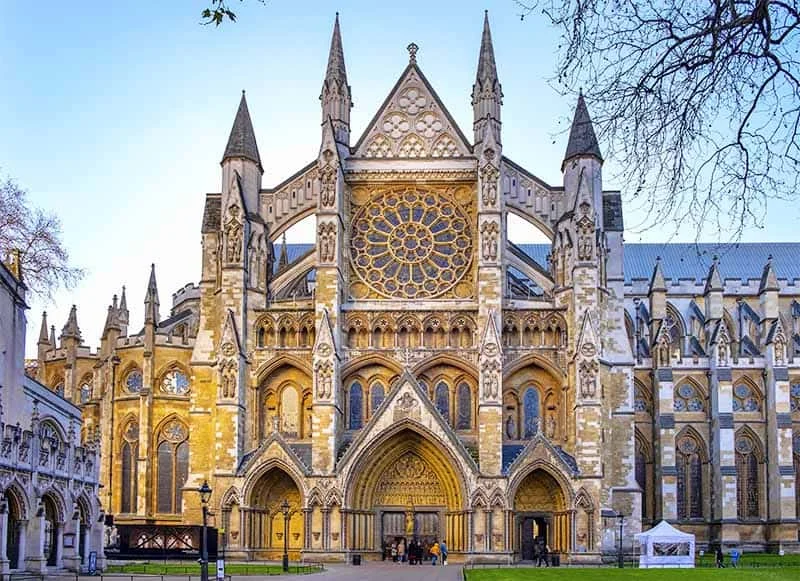
From the sun-drenched squares of Tuscany to the misty, winding lanes of Northern Europe, Gothic architecture remains one of the most evocative and enduring legacies of the Middle Ages. Emerging in 12th-century France, this revolutionary style transformed the skyline of the Western world, replacing the thick, fortress-like walls of the Romanesque period with soaring heights, intricate light-filled naves, and skeletal stone frames.

Today, these structures serve as more than mere tourist attractions; they are the architectural fingerprints of European history. In this article, we explore the world’s best Gothic cities, examining the technical mastery behind their construction and their lasting cultural significance.

The Essence of Gothic Architecture: A Technical Evolution
To understand the Gothic aesthetic, one must look beyond the "barbaric" misnomer—a term coined by Renaissance critics who viewed the style as a departure from classical Roman ideals. In reality, Gothic architecture was an engineering triumph.

Key Characteristics
- The Pointed Arch: Unlike the rounded Roman arch, the pointed arch allowed architects to distribute weight more efficiently, enabling thinner columns and taller structures.
- Flying Buttresses: These exterior masonry supports were the "secret weapon" of Gothic builders. By carrying the outward thrust of the heavy roof vaults to the ground, they allowed walls to be opened up for massive stained-glass windows.
- Rib Vaults: These complex ceiling structures provided both structural integrity and a sense of vertical rhythm, drawing the viewer’s eye upward toward the heavens.
Chronology: The Rise and Refinement of the Style
The Gothic timeline is generally divided into three phases:

- Early Gothic (c. 1140–1200): Initiated by Abbot Suger with the Basilica of Saint-Denis in Paris, this period focused on perfecting the structural relationship between arches and light.
- High Gothic (c. 1200–1250): This era saw the height of the great cathedrals, such as Chartres and Reims, where the "skeletal" style reached its zenith.
- Late Gothic (c. 1250–1500): Characterized by increasingly intricate ornamentation, including the Flamboyant style in France and the Perpendicular style in England, focusing on decorative rather than strictly structural elements.
A Tour of the World’s Finest Gothic Cities
1. Paris, France: The Cradle of the Style
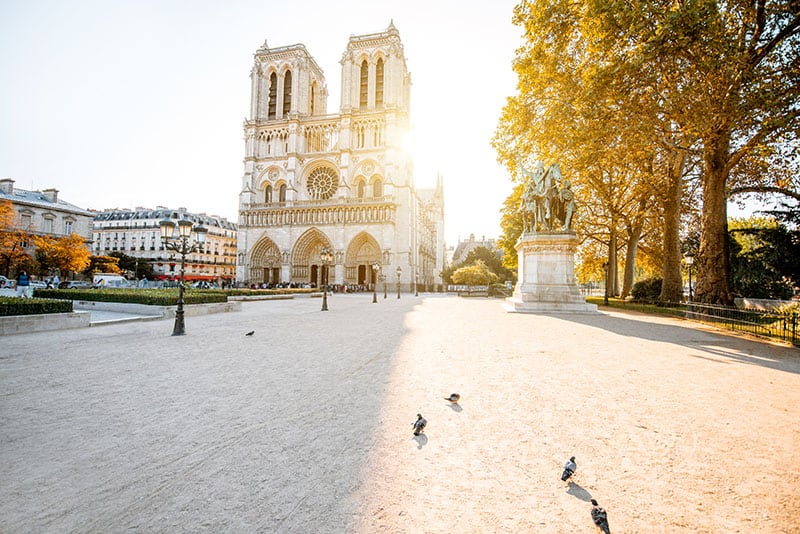
Paris is the birthplace of the Gothic revolution. The Cathédrale Notre-Dame de Paris remains its most iconic symbol. Despite the devastating fire of 2019, the structure remains a testament to the French mastery of the flying buttress. Beyond the cathedrals, the city houses the Sainte-Chapelle, a masterclass in Rayonnant Gothic, where the walls are essentially replaced by 13th-century stained glass, turning the interior into a jewel box of light.

2. Prague, Czech Republic: The Heart of Central Europe
Prague is often cited as one of the most "Gothic" cities in the world due to the density of its medieval architecture, which largely escaped the wholesale destruction of WWII. The St. Vitus Cathedral, set within the sprawling Prague Castle complex, showcases the transition from early to late Gothic. The Church of Our Lady before Týn, with its imposing twin towers, provides a dark, fairytale silhouette that has defined the city’s skyline for centuries.

3. Cologne, Germany: The Masterpiece of High Gothic
The Kölner Dom (Cologne Cathedral) is the third-tallest church in the world and perhaps the most ambitious Gothic project ever undertaken. Construction began in 1248 and, due to various historical interruptions, was not completed until 1880—following the original medieval plans. It stands as a UNESCO World Heritage site and represents the pinnacle of High Gothic verticality.

4. Venice, Italy: A Mediterranean Synthesis
Venetian Gothic is a distinct sub-genre. Because the city was a maritime republic with deep ties to the East, its Gothic architecture incorporates Byzantine and Islamic influences. The Doge’s Palace (Palazzo Ducale) is the perfect example, featuring intricate stone tracery and a lightness that seems to defy the heavy, water-logged foundation of the Venetian lagoon.

5. Siena, Italy: The Perfectly Preserved Medieval Gem
While Florence embraced the Renaissance, Siena largely rejected it, choosing to maintain its Gothic integrity. The Siena Cathedral is a polychrome masterpiece, and the Palazzo Pubblico stands as one of the most significant secular Gothic buildings in Europe. Climbing its Torre del Mangia offers a view of a city that feels remarkably similar to how it appeared in the 14th century.

Implications for Modern Preservation
The survival of these cities is not accidental; it is the result of centuries of intensive conservation. UNESCO’s designation of cities like York (UK), Tallinn (Estonia), and Bruges (Belgium) has been vital in preventing modern urban sprawl from eroding their medieval character.

However, challenges remain. Climate change, pollution, and the stresses of mass tourism place the delicate stonework and stained glass of these cathedrals under constant threat. Official responses from cultural ministries across Europe have shifted toward "preventative conservation," utilizing 3D laser scanning and environmental monitoring to protect structures that were built to last for eternity but now face the realities of the 21st century.
Supporting Data: The Scale of Ambition
| City | Key Landmark | Notable Feature |
|---|---|---|
| Cologne | Cologne Cathedral | 157 meters (tallest Gothic structure) |
| Chartres | Chartres Cathedral | 2,600 sq. meters of original stained glass |
| Siena | Torre del Mangia | 102 meters (secular Gothic height) |
| Ypres | Cloth Hall | 13th-century commercial Gothic monument |
Conclusion: Planning Your Architectural Pilgrimage
For the modern traveler, visiting these cities requires more than just a camera. It requires an understanding of the context. When planning a trip to see these Gothic marvels:

- Look Up: The true genius of Gothic architecture lies in the vaulting and the spires.
- Visit at "Golden Hour": The stained glass windows of cathedrals like Chartres or York Minster were designed to interact with the sun; the light effects are best observed during the early morning or late afternoon.
- Walk the Old Town: The true Gothic feel is often found in the narrow alleys and domestic medieval buildings that surround the great cathedrals—the houses of merchants, guild halls, and fortification walls that once protected these vibrant cities.
Whether you are drawn to the imposing, dark towers of Prague or the light, airy elegance of a French basilica, the world’s Gothic cities remain the ultimate destination for those seeking to touch the pulse of medieval human ambition. As we look at these monuments today, we aren’t just seeing buildings; we are seeing the literal translation of human faith, engineering, and artistic pride into stone.